


More news on this day
An emergency washout has forced the closure of a key street link into Portland’s Old Port district, disrupting vehicle access to the historic waterfront just as the city heads into the peak of its summer visitor season.
Get the latest news straight to your inbox!
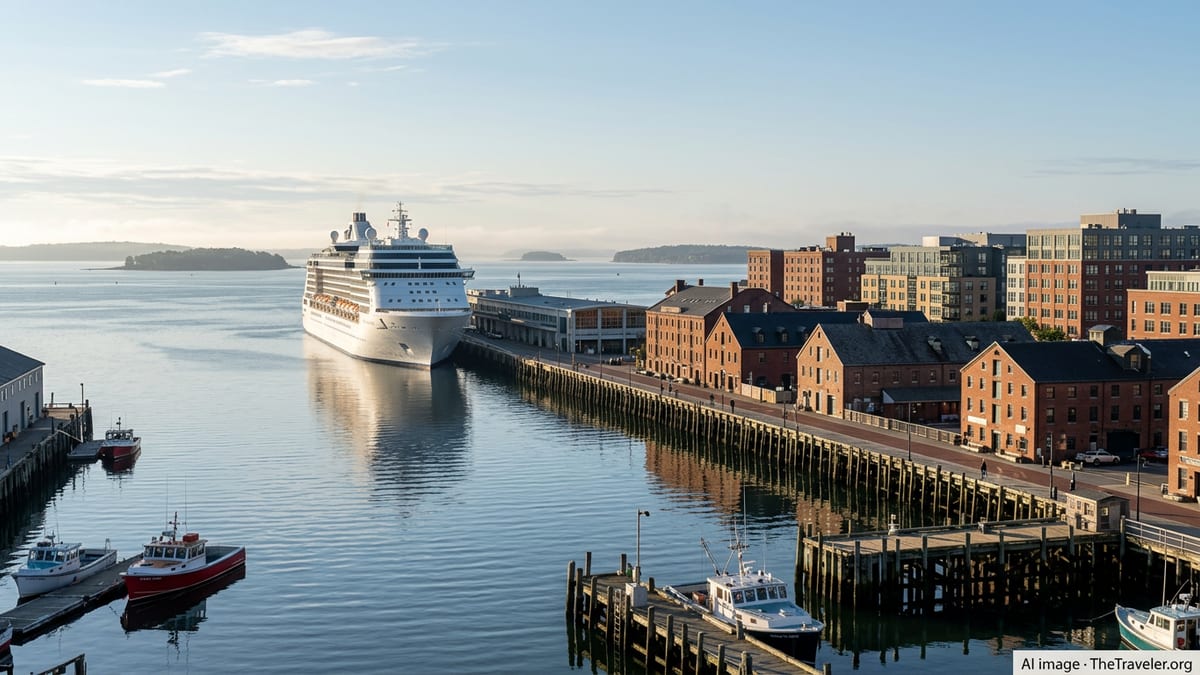
Key connection into Old Port closed after sudden washout
Local reports indicate that a section of High Street between Commercial Street and York Street was abruptly shut to traffic on June 11 after a washout undermined part of the roadway near the base of the Old Port. The corridor is a heavily used feeder route carrying vehicles from downtown and the highway network into the cobblestone streets, restaurants, and waterfront piers of the Old Port.
The closure followed recent bouts of heavy rain that saturated soils in coastal Cumberland County, with images shared on social media showing barriers and detour signs blocking the downhill segment that funnels directly toward the waterfront. Early information suggests that sub‑surface erosion compromised the structural integrity of the pavement, prompting an immediate shutdown for safety.
Publicly available information from city and neighborhood channels shows that the washout has affected both through traffic and local access to nearby blocks around Commercial Street, a primary east‑west spine along the harbor. While pedestrian access into the Old Port remains available from multiple directions, the loss of one of its direct vehicular approaches is already reshaping how residents, workers, and visitors move around the peninsula.
As of the latest updates, there is no confirmed reopening time for the damaged segment. Municipal notices and community posts indicate that engineers and public works crews are still assessing the extent of the washout and planning immediate stabilization work before any timeline for full reconstruction can be set.
Traffic detours and delays ripple through downtown Portland
The sudden loss of High Street at the edge of the Old Port has created new congestion patterns across the compact downtown street grid. Drivers who typically drop straight into the waterfront from the west are now being directed along alternate north–south routes and across hilltop arterials before looping back to Commercial Street or Fore Street.
According to mapping services and traffic camera snapshots cited in regional coverage, peak‑hour delays have increased on alternative approaches including Franklin Street, as drivers try to compensate for the blocked downhill route. Ride‑hailing drivers and delivery vehicles are reporting longer travel times as they navigate narrower side streets not designed for heavy through traffic.
For pedestrians and cyclists, the closure is less disruptive but still noticeable. Sidewalk detours around the construction zone and temporary barriers have altered familiar walking patterns between downtown hotel clusters and the Old Port’s waterfront blocks. Cyclists who rely on downhill access routes into the harbor are being advised via local advocacy channels to use parallel streets where grades and traffic conditions are more manageable during the closure.
Transit schedules around the peninsula have so far remained intact, but observers note that buses and shuttles serving the central business district and Old Port may face minor schedule variability as detours and lane reductions are put in place. Visitors arriving at the transport hubs on the city’s outskirts are being urged, through tourism and hotel advisories, to allow extra time when heading for waterfront dining, ferry terminals, or events.
Businesses and summer visitors adapt to sudden access challenge
The timing of the washout is particularly sensitive for the Old Port’s hospitality and tourism sector, which relies heavily on easy access from downtown streets for summer trade. The district’s restaurants, boutique shops, and bars typically see their highest volumes between late June and Labor Day, as cruise visitors, regional road trippers, and weekend travelers converge on the waterfront.
Business owners and staff have been using social channels and booking confirmations to reassure customers that the Old Port remains open and walkable, even as vehicular access adjusts. Many are sharing updated driving directions that route visitors in along other downtown approaches, as well as highlighting parking garages and lots that can still be reached without crossing the closed segment.
Travel industry reports note that Portland has become a marquee New England destination for short‑haul city breaks and culinary tourism, making any disruption to its signature waterfront district closely watched by hotels and tour operators. So far, there are no indications of widespread cancellations, but accommodation providers are encouraging guests to arrive earlier for dinner reservations or cruises to account for shifting traffic flows.
Some visitors posting early‑summer impressions of the Portland waterfront describe a slightly more congested arrival but largely unchanged experience once they are on foot in the Old Port itself. The compact size of the peninsula, and the presence of multiple other access points, appear to be helping the district absorb the initial shock of the closure.
Engineers weigh causes and next steps for permanent repair
The precise cause of the washout is still being analyzed, but regional infrastructure records show that parts of Portland’s downtown network sit atop aging utilities and stormwater systems that face increasing pressure from intense rain events. Similar washouts and sinkholes have affected other coastal New England communities in recent years when heavy runoff overwhelmed drainage or scoured away support soils beneath pavement.
According to publicly available engineering and capital planning documents from Portland and nearby South Portland, local governments have been tracking vulnerabilities in older mains, culverts, and seawall‑adjacent roadways as climate and weather patterns shift. The High Street incident is expected to factor into those assessments, particularly if inspections uncover links to stormwater or utility infrastructure beneath the damaged block.
In the short term, crews are focused on stabilizing the washed‑out area, securing underground utilities, and preventing further erosion during upcoming rain. Once the site is safe and fully exposed, specialists can determine whether a straightforward rebuild is possible or if more extensive reinforcement of the road base, drainage structures, or retaining features is required.
Any long‑term repair is likely to involve staged construction and partial lane reopenings, a common approach in dense urban settings where access must be balanced with safety and engineering needs. City project lists show that waterfront‑adjacent transportation work is often timed outside the peak winter storm window, making the current summer washout a complex scheduling challenge for planners and contractors.
What travelers should know when heading for Portland’s Old Port
For travelers planning trips to Portland in the coming days and weeks, the washout means a modest but important adjustment to arrival routines. Visitors driving into the city are being encouraged by tourism information outlets and local forums to check the latest city advisories before setting out, particularly if they are using navigation apps that may not immediately reflect temporary closures.
Those arriving by air or intercity bus will still find straightforward connections into the downtown core, but may encounter slightly longer taxi or rideshare journeys if drivers must avoid the closed section leading into the Old Port. Hotel front desks and concierge desks in the downtown and Old Port areas are updating guests with alternative routes and walking maps to minimize confusion at busy check‑in times.
Once in the Old Port, the impact on the visitor experience remains limited mostly to the edges of the district. The washout zone itself is fenced and signed, but the majority of streets, wharves, and public spaces continue to function normally. Ferries, harbor cruises, and waterfront events are operating as scheduled, according to public listings, with organizers simply advising attendees to leave additional time for arrival.
For now, the washout on the key link into the Old Port is serving as a reminder of the vulnerability of aging coastal infrastructure just as Portland’s popularity surges. Travelers who stay informed, remain flexible with routing, and lean on local guidance are likely to find that the city’s waterfront charm remains very much within reach, even as engineers work behind the scenes to restore one of its critical approach roads.