


More news on this day
The United States has raised its travel advisory for Belgium to Level 2, advising travelers to exercise increased caution as security services respond to a combination of terrorism concerns, public safety issues and seasonal crowding in major cities.
Get the latest news straight to your inbox!
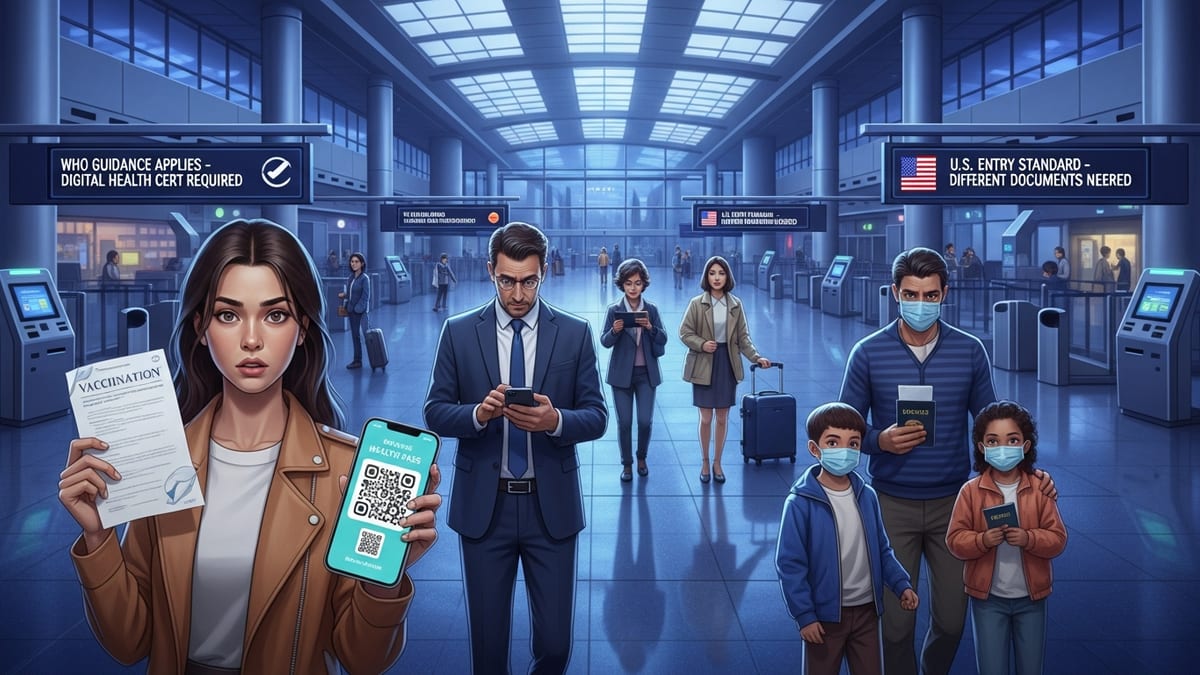
Advisory Shift Highlights Evolving Risk Landscape
Publicly available information indicates that the upgraded Level 2 advisory for Belgium reflects a wider recalibration of how the United States assesses security risks in Europe, particularly in dense urban centers and transport hubs. Rather than signaling an immediate emergency, Level 2 alerts are generally framed as a call for heightened awareness in day-to-day movements.
Background documentation on the U.S. travel advisory system shows that Level 2 is designed for destinations where specific risk factors, such as terrorism, civil unrest or higher crime rates, warrant greater vigilance than usual. In Belgium’s case, past extremist incidents, as well as periodic threat assessments by Belgian authorities, continue to influence foreign perceptions of risk.
The advisory also intersects with a broader trend of more conservative travel guidance for popular European destinations. Commentary on recent updates to travel advisories across the region notes that several Western European countries now carry Level 2 or higher ratings, reflecting both lingering security sensitivities and the impact of large-scale events, protests and seasonal tourism peaks.
For Belgium, the shift does not equate to a blanket warning against travel. Flights, rail services and cross-border movements continue to operate normally, but visitors are urged to factor security awareness into their planning, particularly when visiting capital-area landmarks and mass gathering sites.
Local Security Measures and Domestic Alert Levels
Belgium maintains its own national alert framework, with periodic adjustments as security analysts evaluate threat intelligence and public safety indicators. Official communications from Belgian institutions in 2026 highlight an active emphasis on readiness, quick information-sharing and the importance of crowd management in busy urban spaces.
Recent Belgian government messaging has drawn attention to the need for residents and visitors alike to stay informed about evolving conditions, from security developments to public health considerations. Campaigns encouraging travelers to consult official travel advice and to register their journeys with national platforms illustrate a domestic push to ensure authorities can reach people quickly if conditions deteriorate.
Belgian public health and risk management bodies have also updated their own alert scales in the past year in response to changing patterns of respiratory infections and other seasonal pressures. While these measures are distinct from terrorism-related concerns, they contribute to an overall environment in which vigilance and contingency planning are seen as normal components of public policy.
Foreign travel advisories often draw on such national frameworks to inform their own assessments, taking into account both the baseline threat level and the perceived capacity of local systems to manage emergencies, protect critical infrastructure and communicate effectively with the public.
What Level 2 Means for Travelers on the Ground
Level 2 guidance typically urges travelers to exercise increased caution without discouraging tourism altogether. For visitors to Belgium, that translates into practical steps such as remaining alert in crowded areas, monitoring local news, and being prepared for visible security measures around government complexes, transport hubs and popular attractions.
Travel risk guidance used by universities, corporations and international organizations explains that Level 2 environments often feature a low but persistent risk of security incidents, alongside localized crime patterns that may target tourists. Pickpocketing and petty theft around railway stations, airports and major squares are common concerns across many European cities, and travelers to Belgium are advised to secure valuables and remain aware of their surroundings.
Advisories also recommend that visitors review the nearest locations of embassies or consulates, understand basic emergency numbers, and keep digital and paper copies of identification documents. Many institutional travel policies emphasize the importance of enrolling in citizen-notification programs, which can provide targeted alerts and instructions if a security or safety situation unfolds in a specific neighborhood or city.
For most travelers, these measures amount to small adjustments in routine: allowing extra time for bag checks, avoiding unattended luggage, and steering clear of spontaneous demonstrations or large, unpredictable gatherings that can strain local policing resources.
Impact on Tourism and Travel Planning
Industry observers suggest that a move to Level 2 is unlikely to trigger mass cancellations but may influence how some travelers schedule and structure their trips. Tour operators and travel advisors often treat Level 2 destinations as open for business, while recommending more careful itinerary planning and the purchase of comprehensive travel insurance that includes coverage for disruptions linked to security events.
Belgium’s tourism sector has worked in recent years to balance robust security measures with a welcoming environment in cities such as Brussels, Antwerp, Bruges and Ghent. Publicly available coverage of European travel patterns indicates that visitors continue to prioritize historic centers, cultural festivals and culinary experiences, even as they adapt to an increased presence of security personnel and infrastructure.
Some travelers may respond to the advisory by spending more time researching neighborhoods, double-checking accommodation reviews for safety information, and favoring well-connected districts with straightforward routes to major stations or airports. Others may adjust travel dates to avoid particularly crowded periods, such as major summits, sporting events or political demonstrations that can temporarily heighten tensions.
For airlines and rail operators, Level 2 advisories generally do not prompt schedule changes, though carriers may update their own guidance or in-flight announcements to remind passengers about security protocols and documentation requirements.
Preparing for a Trip to Belgium Under Level 2
Travel preparation takes on added importance when advisories shift upward. Risk-management guidance used by educational institutions and international employers recommends that travelers heading to Level 2 destinations take the time to review official country information, paying particular attention to sections covering security, transportation, local laws and entry requirements.
Visitors are encouraged to share itineraries and contact details with trusted family members or colleagues, to enable rapid communication in the event of an emergency. Saving local emergency numbers, the contact information of one’s embassy or consulate, and the address of accommodations in both digital and offline formats can significantly streamline responses if an incident occurs.
Published advice also highlights the value of situational awareness once on the ground. That includes identifying multiple exits in busy venues, avoiding distraction from mobile devices in crowded public spaces, and promptly leaving areas where tensions or unusual activity appear to be rising. Travelers are further urged to comply with instructions from local security personnel and to anticipate temporary disruptions associated with security operations.
Despite the elevated advisory level, current indications are that Belgium remains accessible to international visitors, with daily life continuing largely as normal. For travelers willing to incorporate a higher degree of planning and attentiveness, the country’s cultural, historical and culinary attractions remain within reach under the new Level 2 guidance.