


More news on this day
France’s Alpine and Pyrenean resorts are emerging as star performers in Europe’s spring travel season, as improving perceptions of regional safety and a pivot toward nature-based, crowd-free holidays draw visitors higher into the mountains for hiking, cycling and authentic village stays.
Get the latest news straight to your inbox!
Spring Shoulder Season Finds Its Stride in the French Mountains
Travel industry data for 2024 and early 2025 points to a decisive move away from peak summer travel in Europe toward the so-called shoulder months, particularly May and June. Analysts report that cooler temperatures, better value and fewer crowds are persuading travelers to front-load their holidays into spring, with France among the primary beneficiaries.
Within France, mountain areas that once relied heavily on winter ski traffic are increasingly marketing green-season experiences, from wildflower hiking to alpine lakeside stays. Tourism reports indicate that the Alps and Pyrenees are gaining share of spring bookings compared with traditional city breaks, as visitors seek quieter landscapes and more space.
Industry briefings suggest that this shoulder-season growth is also helping to smooth long-standing seasonality in mountain communities. Hoteliers and local businesses in resorts such as Chamonix, Morzine and Cauterets now see spring as a viable third season that can sit alongside winter sports and late-summer family holidays.
The trend aligns with broader European initiatives encouraging travel outside high summer to reduce pressure on infrastructure and environments. France’s mountain regions, with established transport links but room to absorb more visitors, are well placed to capture this demand.
Safety Rankings Bolster Confidence in European Nature Destinations
Europe continues to rate highly in global indices for political stability, health provision and transport reliability, factors that are increasingly important for international travelers weighing long-haul trips. Recent comparative studies of tourism safety and risk perception show that European destinations are widely viewed as predictable and secure, even against a backdrop of geopolitical uncertainty elsewhere.
Travel sentiment surveys released over the past year indicate that safety and security considerations now sit alongside cost and climate as key determinants in destination choice. Respondents frequently single out Western European countries, including France, as places where they feel comfortable using public transport, exploring rural regions and engaging in outdoor activities.
In this context, France’s mountain areas benefit from a combination of well-developed infrastructure and easy access from major hubs such as Geneva, Lyon and Toulouse. Visitors can reach trailheads, lakes and high pastures by train and regional bus, reducing reliance on car rental while maintaining a strong perception of personal safety.
This rising confidence appears to be supporting more independent, longer and more adventurous itineraries in mountain regions. Treks along the Tour du Mont Blanc, hut-to-hut routes in the Vanoise and multi-day traverses of the Pyrenees are seeing renewed interest, particularly among travelers who want immersion in nature without sacrificing a sense of security.
From Ski Slopes to Green Trails: How Resorts Are Repositioning
French resort operators and regional tourism boards are reshaping their offerings to match the new springtime demand. Reports from the sector describe a pivot from purely snow-focused branding to year-round activity menus that highlight hiking, e-biking, trail running and family-friendly adventure parks once the snow recedes.
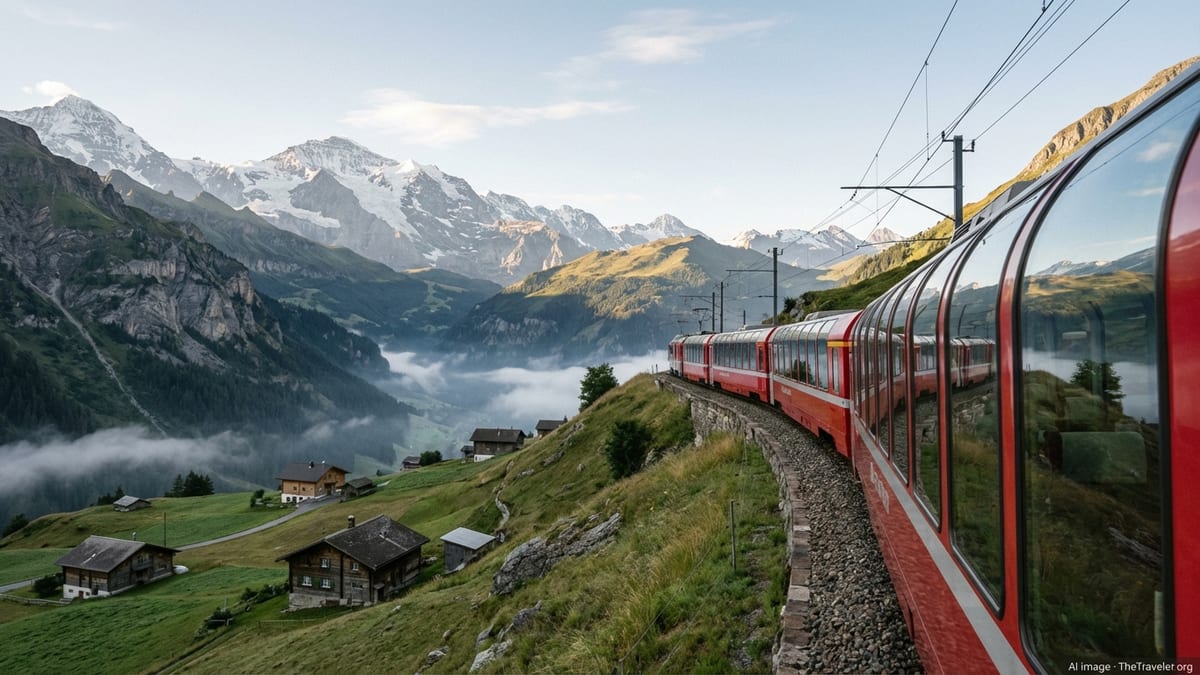
Low-impact infrastructure is central to this repositioning. Many resorts have adapted ski lifts for summer use, opening up high-altitude viewpoints and picnic areas without the need for strenuous ascents. Mountain railways and cable cars in areas such as the Mont Blanc massif and the Dauphiné Alps are promoting sunrise rides, gourmet lunches at altitude and scenic circuits aimed at casual walkers rather than only technical climbers.
There is also a growing emphasis on soft adventure that fits a broad age range. Guided nature walks, wildflower and wildlife observation, canyoning in moderate gorges and family-oriented via ferrata routes are marketed as entry points to mountain adventure rather than extreme sports. This approach appears to resonate with travelers looking for experiences that feel safe but still distinctive.
Accommodation providers are responding in parallel, extending opening calendars beyond winter and late summer. Chalets, apartment residences and boutique lodges in high valleys increasingly offer flexible three- or four-night spring stays, designed to capture short breaks from nearby European markets and long weekends attached to rail arrivals.
Authenticity, Local Food and Slower Travel Drive Demand
Consumer research across several European markets suggests that travelers are prioritizing what they view as “authentic” experiences, with a premium on local food, cultural encounters and time outdoors. Surveys of French and European holidaymakers highlight countryside and mountain stays among their preferred types of trips, often ranking just behind coastal breaks.
In France’s upland regions, this appetite for authenticity is expressed through village-based tourism and agritourism. Visitors are booking stays in converted farmhouses, small inns and family-run guesthouses that offer farmhouse breakfasts, dinners based on local produce and introductions to cheese makers, vintners and beekeepers.
Spring is particularly suited to these experiences, as it coincides with transhumance, market season and the reopening of high pastures. Travelers can combine low-level walks through orchards and meadows with visits to weekly markets in towns such as Annecy, Briançon or Luchon, where seasonal produce and regional specialties showcase mountain culture.
The interest in slower travel also favors rail-linked mountain gateways. European rail reports note rising use of cross-border and domestic services into the foothills of the Alps and Pyrenees, where passengers transfer to regional lines or buses for the final ascent. This pattern supports local economies, reduces the environmental footprint and reinforces the sense of a more grounded, place-based holiday.
Outlook: Climate, Costs and Capacity Shape the Next Seasons
Looking ahead to spring 2027, analysts expect the combination of climate considerations, living-cost pressures and infrastructure capacity to continue steering visitors toward cooler, higher-altitude destinations. Warmer summers at lower elevations and on some Mediterranean coasts are already nudging travelers to book shoulder-season trips and to seek destinations where outdoor activity feels comfortable.
At the same time, budget-conscious travelers are identifying mountain villages and secondary resorts as offering comparatively better value than major cities at the height of summer. Accommodation and dining prices outside the busiest months are often lower, while the perceived gain in space and tranquility remains high.
Policy discussions in France and across Europe are increasingly focused on how to manage this rebalancing. Industry reports stress the need for investment in trails, public transport and environmental protection to ensure that rising spring visitation does not damage the very landscapes attracting travelers in the first place.
If current trends persist, France’s mountain escapes appear set to consolidate their position as a preferred choice for spring holidays, offering a mix of safety, scenery and authenticity that aligns closely with what many travelers now seek from a European break.