


More news on this day
Emirates has unveiled a dramatic new livery on one of its Airbus A380 aircraft, transforming the superjumbo into a flying UAE flag in a high-visibility tribute to national pride, resilience and unity.
Get the latest news straight to your inbox!
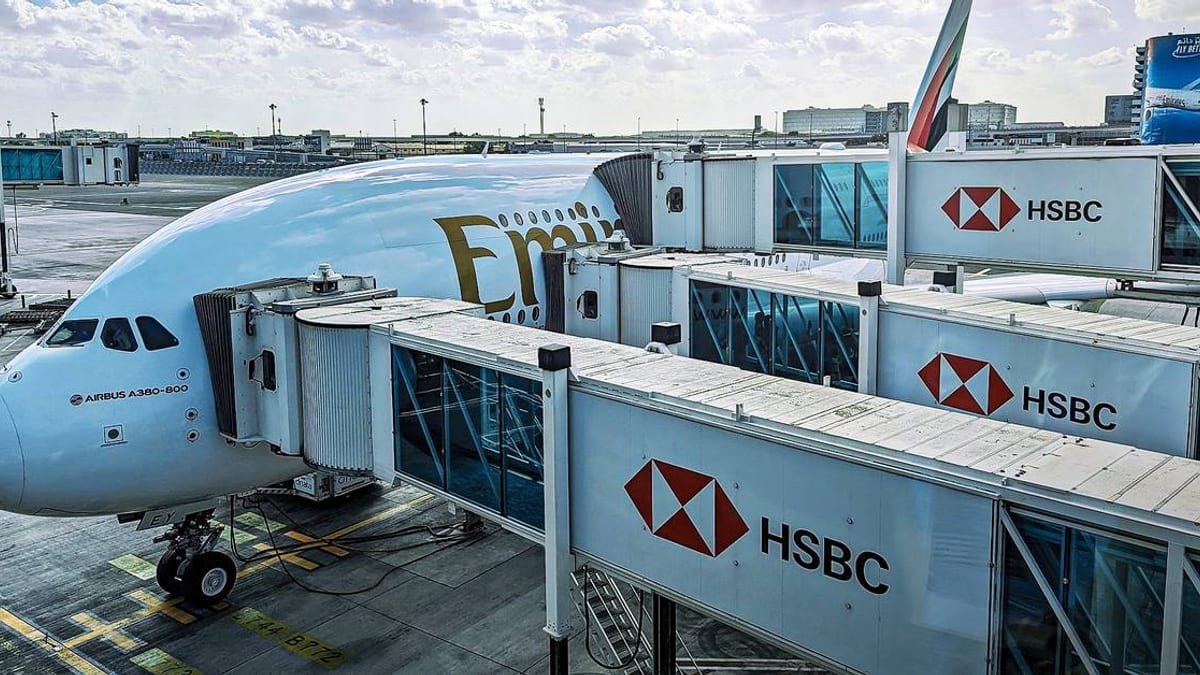
Bold UAE Flag Design Wraps the Superjumbo
Publicly available information shows that the new special livery has been applied to A6-EVG, one of Emirates’ flagship Airbus A380s and part of the world’s largest A380 fleet. The design extends the familiar UAE flag motif from the tail across the length of the fuselage, turning the double decker aircraft into a large moving canvas of national colors in the sky.
Reports indicate that the artwork features an enlarged, three dimensional interpretation of the red, green, white and black of the UAE flag, flowing along both sides of the aircraft. The treatment builds on Emirates’ existing tail design but significantly amplifies its scale and visual impact, ensuring the colors remain instantly recognizable from airport aprons, terminal windows and surrounding neighborhoods as the aircraft departs or arrives.
Coverage from aviation outlets notes that the airline has retained its signature white fuselage and bold Emirates titling, allowing the new flag artwork to stand out in strong contrast. The result is a livery conceived to be unmistakable on the ramp and in flight, particularly when viewed from above or alongside other aircraft in more conventional color schemes.
The A380 platform itself adds to the effect. As the largest commercial passenger aircraft in service, with its double deck and expansive fuselage, the type offers an unusually broad surface for large scale designs. The UAE flag treatment takes advantage of that real estate to project the national motif at a scale few other aircraft could accommodate.
Part of the ‘This Flag Will Always Fly’ National Campaign
According to published coverage in UAE and aviation media, the A380 livery forms part of a wider national initiative known as “This Flag Will Always Fly.” The campaign encourages residents and institutions to display the UAE flag prominently as an expression of shared identity and collective resolve in the face of regional tensions and recent security challenges.
Reports indicate that the initiative gained momentum after a call from the UAE leadership earlier this year for the country’s colors to be raised above homes, workplaces and public spaces. Emirates’ decision to translate that message onto a global aircraft type effectively extends the campaign to international air corridors and major hub airports worldwide.
By placing the flag across an aircraft that regularly serves long haul routes, the airline is positioning the A380 as a highly visible symbol of the UAE’s continuity and stability. Aviation analysis pieces note that the move aligns closely with the brand’s longstanding practice of associating its fleet with national stories, from celebrations of key anniversaries to support for domestic and international events.
The airline’s participation also underscores the role of aviation in the UAE’s modern identity. Since its founding in the 1980s, Emirates has been widely seen as one of the country’s most recognizable global ambassadors, carrying the national flag to cities across six continents. The new livery strengthens that ambassadorial role by making the flag the central visual element of the aircraft’s exterior.
From Dubai to the World: Initial Routes and Future Plans
Initial reports from specialist aviation media indicate that A6-EVG has already entered commercial service in the new colors, operating flights from Dubai to major long haul destinations including New York and Brisbane. These early rotations place the aircraft on routes that combine strong origin and destination demand with significant global connectivity, maximizing the number of travelers and onlookers who encounter the new design.
Further analysis suggests that the A380 will be rostered across a variety of Emirates’ high profile A380 destinations in the coming weeks, in line with usual fleet scheduling patterns. This should bring the UAE flag livery to a mix of European, Asian, Australasian and North American gateways, turning runways, taxiways and approach paths into stages for the national colors.
Published information also points to plans to extend the concept beyond the A380. Aviation and business press report that Emirates intends to apply a version of the flag livery to at least one Boeing 777, the other backbone type of the airline’s long haul fleet. Adapting the design to a different airframe would broaden the campaign’s visual footprint and increase the chance that travelers encounter the flag motif, even on routes not regularly served by the A380.
For airports and spotters, the arrival of the new scheme adds a fresh point of interest in Emirates’ schedule. The carrier has built a reputation among aviation enthusiasts for its frequent use of special liveries, and early images shared by photographers show the UAE flag design rapidly joining the ranks of the most distinctive aircraft on the tarmac.
Continuing a Tradition of High Profile Special Liveries
The UAE flag A380 fits into a wider pattern of bespoke liveries used by Emirates to highlight national milestones, global partnerships and charitable initiatives. Reports on the airline’s fleet history list earlier designs commemorating Expo 2020 Dubai, images of the UAE’s founding father on the 100th A380, and more recent liveries tied to sports sponsorships and community programs.
Industry commentary notes that these special designs serve more than a decorative function. By turning aircraft into mobile billboards, the airline reinforces key narratives about the UAE’s ambitions, values and areas of global engagement, from cultural showcases to major sporting events. The new flag livery continues this strategy, but with a particularly direct focus on national unity and shared purpose.
Observers also point out that Emirates has been especially active with its A380 special schemes over the past several years, even as the global rollout of the type has slowed. With more than one hundred A380s in its fleet, the airline has more opportunities than any other carrier to deploy large format liveries that stand out at crowded international hubs.
In this context, the UAE flag treatment can be seen as both a statement of brand confidence in the A380 and a refinement of the carrier’s visual storytelling. By using one of its most recognizable aircraft types to carry a simple, bold national symbol, Emirates is reinforcing its image as a global operator closely intertwined with the UAE’s broader narrative on the world stage.
Symbolism of Pride, Resilience and Unity
Cultural commentary in regional media highlights the deeper symbolism behind the new livery, describing the UAE flag as a unifying emblem that has taken on heightened significance amid shifting geopolitical conditions. The decision to feature the flag at such scale on a high profile aircraft is widely interpreted as a visual expression of resilience and continuity.
Analysts note that the aircraft’s movements effectively trace the UAE’s connections to the rest of the world, linking the country to key economic and cultural centers. In that sense, the flying flag becomes a recurring reminder of national identity for citizens and residents abroad, while also introducing international audiences to a core symbol of the state.
The initiative also reflects the role of aviation as a bridge in periods of uncertainty. By presenting an image associated with stability and shared purpose on an aircraft designed to connect people and markets, the livery weaves together themes of mobility, openness and solidarity. Commentators suggest that these associations are likely to resonate with travelers who view the UAE as a hub of transit, trade and tourism.
As the A380 continues to circulate on long haul routes in the coming months, the giant flag along its fuselage is expected to become a familiar sight at major global airports. For aviation observers and casual travelers alike, the aircraft offers a vivid illustration of how national symbols can be projected across borders through the everyday movements of commercial flight.