


More news on this day
Rail service serving the Eureka area is operating again after a train derailment forced a temporary shutdown, restoring an important coastal transportation link for residents, visitors and the regional tourism economy.
Get the latest news straight to your inbox!
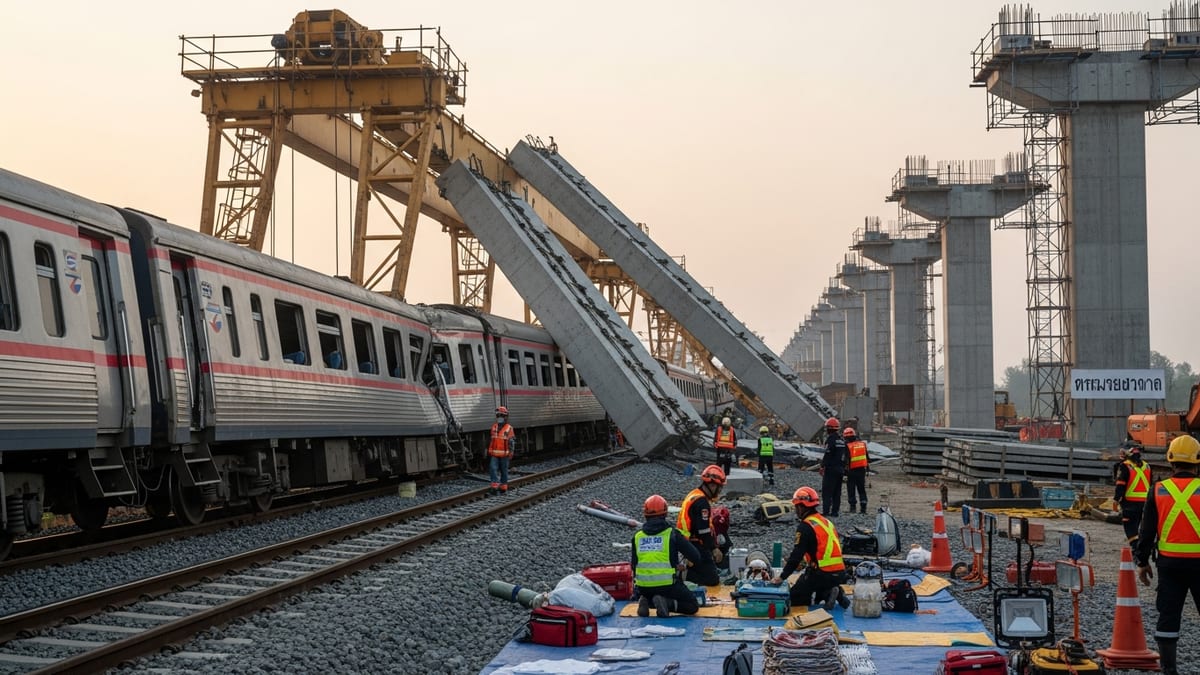
Line returns to service after emergency shutdown
Reports from regional transportation and news outlets indicate that trains have resumed running on the line serving Eureka following repairs to track and infrastructure damaged in the derailment. The incident, which occurred earlier this month, led to a full suspension of traffic on the affected section while crews stabilized rail beds, cleared wreckage and inspected bridges and signaling.
During the shutdown, operators relied on temporary measures such as substitute buses and adjusted timetables to keep passengers and freight moving, a pattern seen recently on other North American routes following derailments. Publicly available notices show that full rail operations were restored only after extensive inspections and phased test movements at reduced speeds.
The reopening returns the line to regular service, although trains are expected to operate with some ongoing speed restrictions and monitoring as engineers continue to review the repaired section. Rail managers in similar incidents have previously used gradual ramp ups in speeds to verify the long term performance of new track and ballast.
Impact on travelers and coastal tourism
The closure caused delays and itinerary changes for travelers using the corridor as a gateway to the North Coast, including visitors heading to Eureka’s historic Old Town, nearby redwood parks and coastal communities. Local tourism promotion materials position Eureka as a base for exploring Humboldt Bay and the surrounding redwood region, and the rail outage added an unexpected layer of complexity for those arriving without cars.
Travel advisories issued during the disruption pointed riders to replacement bus services and alternate routes along U.S. Highway 101. These arrangements helped maintain a basic level of connectivity but extended journey times and reduced flexibility for day trips and connections with other regional transport options.
With trains now back on the line, tourism operators are anticipating a gradual normalization of visitor flows. Easier rail access is expected to support hotel occupancy, guided excursions and waterfront attractions that depend on reliable transport links into the city, especially during the peak summer and early autumn travel seasons.
Safety checks, repairs and operating conditions
According to published coverage of the incident and subsequent response, crews focused first on stabilizing the derailment site before turning to full track replacement and structural checks. Similar to recent recovery efforts elsewhere, work reportedly included replacing damaged rail, ties and ballast, resurfacing sections of track and carrying out multiple geometry and alignment tests.
In the immediate aftermath, environmental and structural assessments were prioritized to ensure that soil conditions, drainage and any nearby bridges or culverts were not compromised. Only after those reviews, and after repeated test runs at low speed, did the line reopen to scheduled trains.
Operational updates suggest that trains are currently running at moderated speeds through the repaired area. This approach mirrors practices seen on other reopened routes, where reduced speed limits remain in place for a period to allow ongoing monitoring and data collection from trackside sensors and onboard systems.
Regional connectivity and competing rail priorities
The reopening of the Eureka line comes as Northern California continues to debate how best to balance freight, passenger rail and trail development along historic corridors. Local and regional planning documents describe overlapping ambitions that include freight movements, improved passenger links and long distance trail projects that would follow parts of the former railroad alignment.
Prior to the derailment, the corridor already formed part of a broader mosaic of rail, road and trail infrastructure connecting communities around Humboldt Bay. Public reports on projects such as the Humboldt Bay Trail and planned extensions toward College of the Redwoods highlight the importance of integrating active transportation routes with existing freight and passenger operations.
With service now restored, transportation planners are expected to track how quickly ridership rebounds, particularly among visitors using rail as part of longer itineraries along the North Coast. Data from similar incidents elsewhere suggest that sustained reliability over several months is often required before travelers fully return to pre disruption habits.
What travelers should expect in the coming weeks
Prospective passengers are being advised by operators and transit agencies to check schedules frequently over the coming weeks, as timetables may still reflect minor adjustments linked to the recent disruption. Some departures may include additional padding for the section affected by the derailment, and onboard announcements can provide updates on any residual slow orders near the repaired area.
Visitors planning trips to Eureka and the surrounding redwood region can now incorporate rail travel back into their route planning, while still allowing extra time for possible congestion on connecting services. Travel planners recommend building flexibility into arrival and departure times, particularly for those coordinating with hotel check ins, tour start times or same day onward travel.
For the city and the wider Humboldt Bay region, the restoration of full rail operations represents a significant step in stabilizing visitor access during the busy late summer period. As monitoring continues and the corridor demonstrates consistent performance, the reopened line is expected to once again serve as a dependable spine for both local commuters and long distance travelers heading to California’s far north coast.