


More news on this day
A wave of protests and riots across several European countries in October 2026 is prompting governments to tighten security, impose targeted curfews and update travel advisories, forcing visitors to reassess plans for late‑season city breaks.
Get the latest news straight to your inbox!
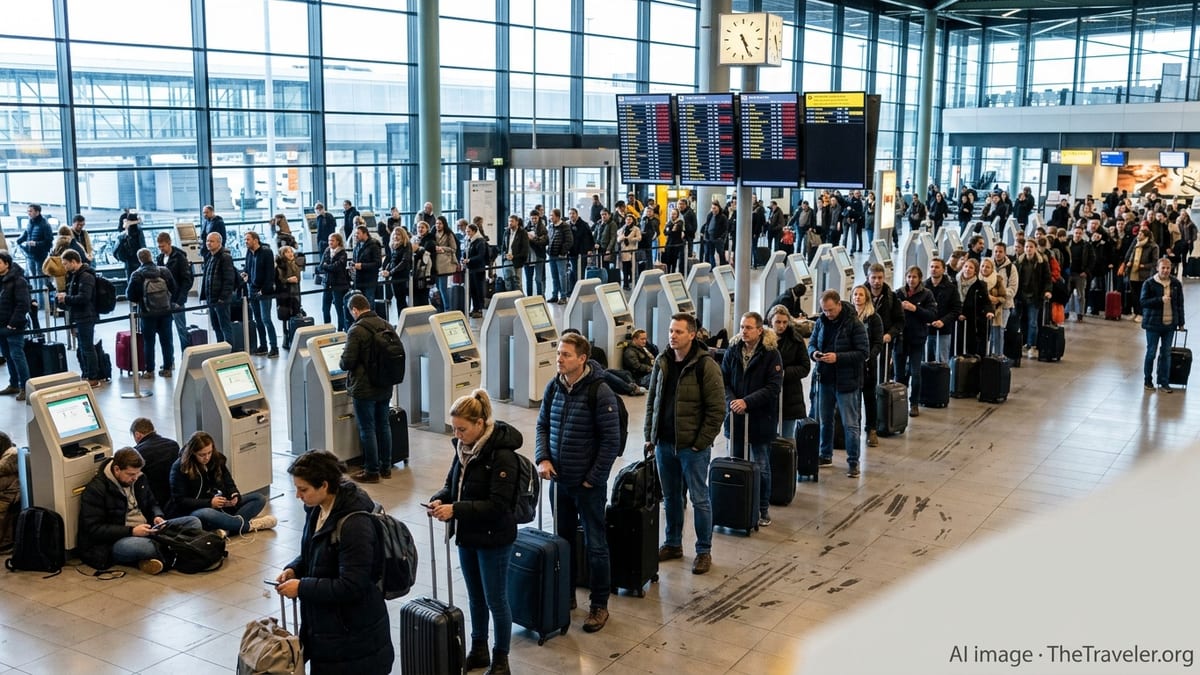
France’s targeted curfews reshape city‑break plans
France has become the focal point of the current unrest after nationwide demonstrations about living costs, public services and education turned violent on 17 October, with arson, looting and clashes reported in multiple cities. Publicly available reporting describes it as the country’s most serious bout of urban disorder in years, with thousands of arrests and extensive damage to shops and municipal buildings.
In response, the French government announced what it described as localized and partial curfews from the night of 19 October in major urban areas, including central districts of Paris, Lyon, Lille, Bordeaux and Nice. The restrictions, which generally run overnight and are geographically limited to zones that saw heavy damage or repeated gatherings, are being reviewed daily and extended where police assess an ongoing risk.
Travel-security bulletins and foreign-government advisories updated on 19 and 20 October highlight specific curfew zones in Paris around hubs such as République and Les Halles, along with several northern cities where movement is restricted between evening and early-morning hours. These measures can affect access to late‑night dining, public transport connections and airport transfers, particularly for travelers booked on early‑morning departures.
International travel advice services currently classify France as a destination where visitors should exercise increased caution rather than avoid travel altogether, but they stress the need to monitor local developments closely. Several national portals urge travelers to allow extra time for ID checks, expect short‑notice closures of metro stations and avoid any areas where crowds are forming, even if a gathering appears peaceful.
Travel advisories ripple across Europe
The unrest is not confined to France. Throughout October, demonstrations over housing costs, energy prices and public-sector reforms have been reported in Italy, Spain, Belgium and Portugal, with turnout ranging from small local rallies to marches involving tens of thousands of people. In cities such as Brussels, Lisbon and Barcelona, most events have remained peaceful, but isolated clashes and property damage have prompted a more cautious tone in official travel guidance.
European governments including Germany, the Netherlands, Denmark, Sweden, Finland, Norway and several Central European states have revised their travel notices for France, warning their citizens about the risk of further unrest and advising them to avoid demonstrations. According to published coverage, this wave of revisions followed the 17 October riots and the announcement of French curfews two days later, underscoring how quickly regional perceptions of risk can change.
Outside Europe, countries ranging from Canada to Australia are updating security sections in their Europe advisories to reflect the latest protests. While core risk levels for most Western European destinations have not shifted dramatically, new language highlights the potential for roadblocks, sudden transport disruptions and police operations around protest routes.
For travelers, the practical impact of these advisories is less about blanket bans and more about preparation. Government portals encourage visitors to register their contact details, note the nearest embassy or consulate and keep copies of identification to hand, as spot checks may increase around key squares, shopping streets and rail stations.
What visitors can expect on the ground
For those already in Europe or due to arrive in the coming days, the picture is mixed. Major tourist districts in Paris, Rome, Madrid, Brussels and Lisbon have largely returned to routine daytime activity between protest dates, with museums, restaurants and attractions operating close to normal schedules. However, evenings can feel different in curfewed areas, where a heavier police presence, earlier closing times and temporary barriers are now part of the streetscape.
Travelers may experience unannounced closures of metro entrances, tram routes or central bus corridors if a march is planned or if authorities judge that a crowd is growing too quickly. Rail operators and city transport agencies typically post updates on the day, but information may appear only in local languages, making it important for visitors to check multiple sources and ask hotel staff for the latest details before setting out.
Accommodation choices can also make a difference. Hotels immediately adjacent to major protest sites or government buildings are more likely to be affected by noise, diversions and street closures than properties a few blocks away. Public information from local tourism offices indicates that some cities are steering visitors toward neighborhoods away from traditional rally points, particularly for late‑arriving flights.
Curfews, where in force, usually exempt travelers moving between their accommodation and transport hubs, but enforcement can vary. Visitors are being advised in official guidance to carry booking confirmations and identification if they need to cross a restricted area at night, and to consider adjusting dinner reservations, nightlife plans or early‑morning tours to avoid being out during restricted hours.
Airlines, rail operators and insurers adjust to rising risk
The unrest is also filtering through to the wider travel industry. Airlines serving France and neighboring markets continue to run full schedules, but some carriers have introduced flexible rebooking options for passengers holding tickets to cities most affected by the October violence. Rail operators have reinstated services after the initial disruption, yet are maintaining contingency plans for future protest days that could see station concourses or track sections closed at short notice.
Travel-insurance providers are updating advisories to clarify when disruption linked to civil unrest is covered. Policies that include travel-delay and trip-interruption benefits may reimburse additional hotel nights or rebooking fees if official measures such as curfews or police cordons directly prevent a traveler from reaching an airport or continuing a trip. Insurers are also reminding customers that deciding to cancel out of general concern, without a formal restriction in place, is usually only covered under “cancel for any reason” upgrades.
Tour operators report that Europe remains a priority destination for autumn and winter, but booking patterns are shifting within the region. Public analysis from travel-data firms points to a modest softening in demand for high‑profile protest cities contrasted with steady interest in smaller European destinations perceived as calmer. That trend may accelerate if unrest continues or spreads, particularly among family travelers and first‑time visitors.
Industry observers note that the current situation differs from previous security shocks in that flights, hotels and attractions remain broadly open, even in cities experiencing unrest. The challenge for travelers lies less in whether to go at all and more in how to build flexibility into itineraries in case a specific neighborhood becomes temporarily inaccessible.
Planning a trip during a volatile season
For those still planning or considering European travel in late 2026, the main message from official advisories is to stay informed rather than stay away. Government travel portals recommend checking country pages in the days before departure and again after arrival, as advice levels, demonstration dates and curfew maps can change quickly.
Travelers are encouraged to keep accommodation and transport plans as flexible as possible, favoring refundable hotel rates and tickets that allow changes without heavy penalties. Building in extra time between connections, particularly when crossing city centers that have recently seen unrest, can help mitigate the risk of missing a flight or long‑distance train due to last‑minute diversions.
On the ground, simple steps such as avoiding large gatherings, steering clear of protest routes listed in local media, and keeping valuables out of sight around crowded squares remain central to current safety messaging. Visitors are also advised to maintain access to offline maps and essential phone numbers in case mobile coverage is disrupted during a major event.
Despite the tense backdrop, analysts note that Europe’s core tourism infrastructure remains resilient. Museums, landmarks and cultural institutions have reopened swiftly after isolated closures, and many city tourism boards continue to promote upcoming winter events. For now, the evolving pattern of curfews and travel warnings points toward a more complex planning environment rather than a wholesale halt to European travel.