


More news on this day
The U.S. government has issued a renewed worldwide caution for Americans traveling or living overseas, highlighting heightened security risks linked to tensions in the Middle East, evolving regional conflicts and health-related disruptions that could affect international trips in the months ahead.
Get the latest news straight to your inbox!
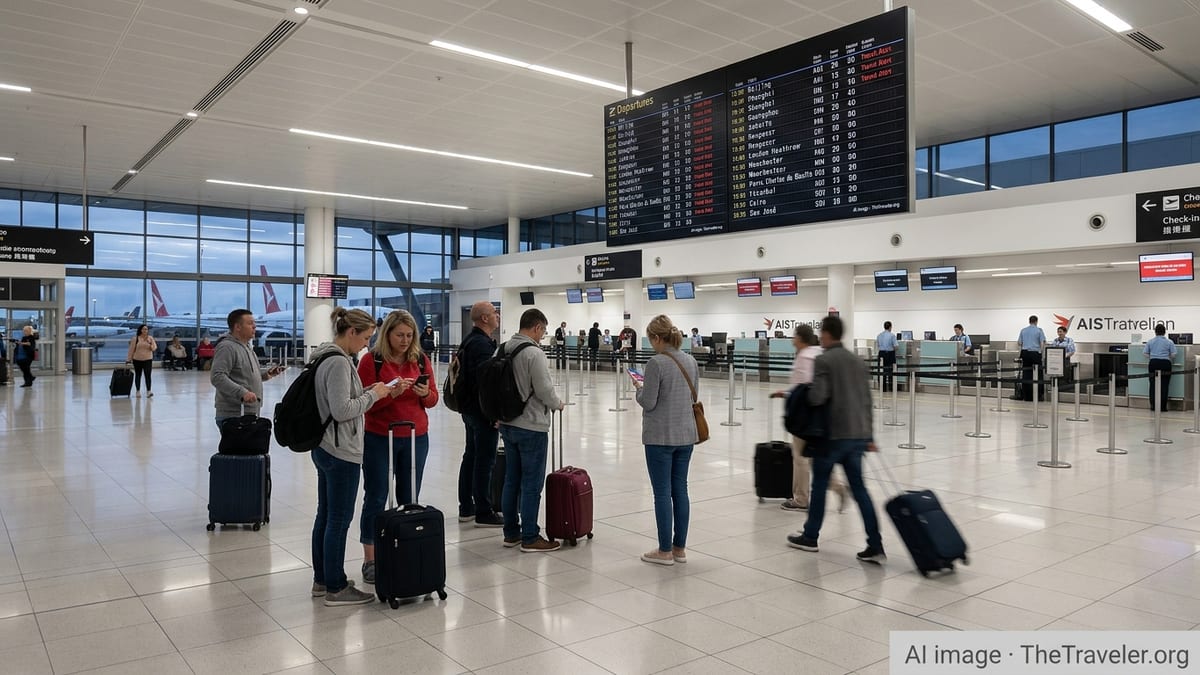
Global security alert urges increased caution abroad
According to publicly available State Department information, the worldwide caution notice advises Americans to maintain a higher level of awareness in public places, particularly in areas frequented by tourists, transportation hubs and locations associated with Western interests. The alert points to the possibility of opportunistic attacks or demonstrations that could quickly disrupt movement and access to key services.
Coverage from multiple outlets indicates that the latest alert follows a series of regional security incidents and ongoing military tensions, especially involving Iran and Iran-aligned groups. Analysts cited in recent reporting describe the warning as part of a broader effort to remind U.S. citizens that seemingly local flashpoints can have ripple effects for travelers far beyond a single conflict zone.
Publicly available guidance emphasizes that the worldwide caution is not a blanket prohibition on international travel but a signal that conditions in many destinations are more volatile than they might appear from afar. Travelers are urged to closely monitor local news, follow security updates for their specific destinations and have contingency plans for rapid changes in risk levels.
Information posted by the U.S. government also stresses the limited ability of consular staff to provide emergency assistance in high-risk areas. In locations where conflict, civil unrest or natural disasters have weakened basic infrastructure, services such as medical care, transportation and communications may be degraded or unavailable with little warning.
Middle East flashpoints drive higher advisory levels
Recent travel advisory updates underscore that conflict zones in the Middle East remain some of the highest-risk destinations for U.S. citizens. Current State Department guidance lists Gaza as Level 4, the most severe category, with a clear “do not travel” warning due to terrorism, armed conflict and the absence of safe evacuation options in the event of renewed fighting or border closures.
Israel and the West Bank are designated at Level 3, signaling a “reconsider travel” recommendation tied to terrorism and civil unrest. Public travel information highlights rocket and missile threats, drone incursions and occasional violent demonstrations, as well as the potential for sudden restrictions on movement within and between cities. Travelers already in the area are encouraged to identify shelter locations, remain attentive to air raid alerts and comply with local security instructions.
Lebanon currently carries a Level 4 “do not travel” advisory, with official material citing risks linked to terrorism, civil unrest, kidnapping and the risk of armed conflict. Recent reporting notes increased concerns about spillover from regional tensions, including attacks attributed to Iran-backed groups. The advisory warns that the government’s capacity to assist U.S. citizens in the country is extremely limited, particularly outside major urban centers.
Regional security alerts have also referenced changing conditions in nearby Gulf states. While some countries in the region remain open to tourism, published embassy messages describe the possibility of missile or drone attacks against airports or critical infrastructure in the event of further escalation, and encourage Americans to be prepared for flight cancellations or extended delays.
Health and safety concerns add new layers of risk
The latest caution for Americans abroad does not focus solely on terrorism and conflict. Publicly available advisories also note that health emergencies and natural disasters can rapidly alter the risk profile of a destination, straining hospitals, disrupting transportation and limiting options for evacuation.
Recent coverage has drawn attention to warnings about suspected outbreaks of serious infectious disease in parts of Russia, including the Irkutsk region of Siberia, where local reports describe concerns about pneumonic plague. In response, U.S. government travel information reiterates a “do not travel” posture for Russia overall, citing both security and health considerations, and urges Americans inside the country to depart while commercial options remain available.
Separately, State Department material on global events highlights the impact of outbreaks such as Ebola in parts of Africa and other high-consequence pathogens that can result in border closures, mandatory quarantines or sudden suspensions of commercial flights. Travelers are advised to verify entry, testing and vaccination requirements well before departure and to carry proof of coverage for emergency medical evacuation where available.
Environmental hazards remain another prominent factor. Guidance for several destinations in Latin America and the Pacific refers to heightened volcanic activity, earthquakes and the risk of tsunamis. Authorities recommend that travelers familiarize themselves with evacuation routes, local emergency alert systems and safe gathering points in the event of a major seismic event.
Rule changes tighten options for certain destinations
In addition to security warnings, new regulatory changes are shaping where and how Americans can travel. Updated guidance from the U.S. Treasury’s Office of Foreign Assets Control in late September outlines revised rules for travel-related transactions involving Cuba. The changes remove authorization for travel to attend or organize professional conferences on the island and reinstate stricter conditions for certain academic programs.
These measures do not prohibit all categories of Cuba travel for U.S. persons, but they narrow the types of trips that can be legally conducted under existing general licenses. Travelers planning educational or professional itineraries are advised to review the latest regulatory language and, where necessary, obtain confirmation that their activities fit within permitted categories before purchasing nonrefundable tickets or accommodations.
Sanctions and entry restrictions tied to national security concerns are also affecting travelers headed to, or transiting through, a number of countries. Public information references ongoing suspensions or limitations on visas associated with terrorism designations and human rights concerns, which may complicate itineraries that rely on specific hubs or overflight corridors.
Advisories further note that in destinations subject to significant U.S. sanctions, financial transactions involving local entities can be restricted or prohibited. Travelers are encouraged to check whether payment cards will function, whether cash withdrawals are possible and whether travel insurance is valid under the latest sanctions framework.
What the new warning means for trip planning
For many U.S. travelers, the worldwide caution functions as a reminder that preparation is now an essential part of international travel. Government guidance recommends that Americans consult the individual country page and travel advisory level for every stop on an itinerary, paying particular attention to Level 3 and Level 4 destinations where the potential for disruption is highest.
Publicly available resources emphasize the value of documenting contingency plans, including alternative routes home, backup accommodations and access to funds in the event of a sudden change in circumstances. Travelers are encouraged to leave copies of passports, itineraries and contact details with a trusted person in the United States and to maintain regular communication with family or friends while abroad.
Official material continues to promote voluntary enrollment services that provide email or mobile alerts about security incidents and changes to local conditions. These notifications can include information about protests, transportation strikes, severe weather and other events that might not yet be widely reported in international media but could still affect a traveler’s safety or mobility.
Analysts observing the latest alert suggest that American travelers are unlikely to abandon international trips altogether, but are increasingly weighing destination-specific risks against the benefits of travel. The renewed worldwide caution signals that those calculations should now incorporate not only traditional safety concerns but also the possibility of sudden regulatory shifts, public health emergencies and broader geopolitical tensions.