


More news on this day
A British family flying home to Manchester with TUI has described being unexpectedly stranded in Canada after their long-haul service diverted more than 2,200 miles off course, highlighting the disruption and uncertainty that flight diversions can cause for holidaymakers.
Get the latest news straight to your inbox!
Transatlantic homecoming turns into Canadian stopover
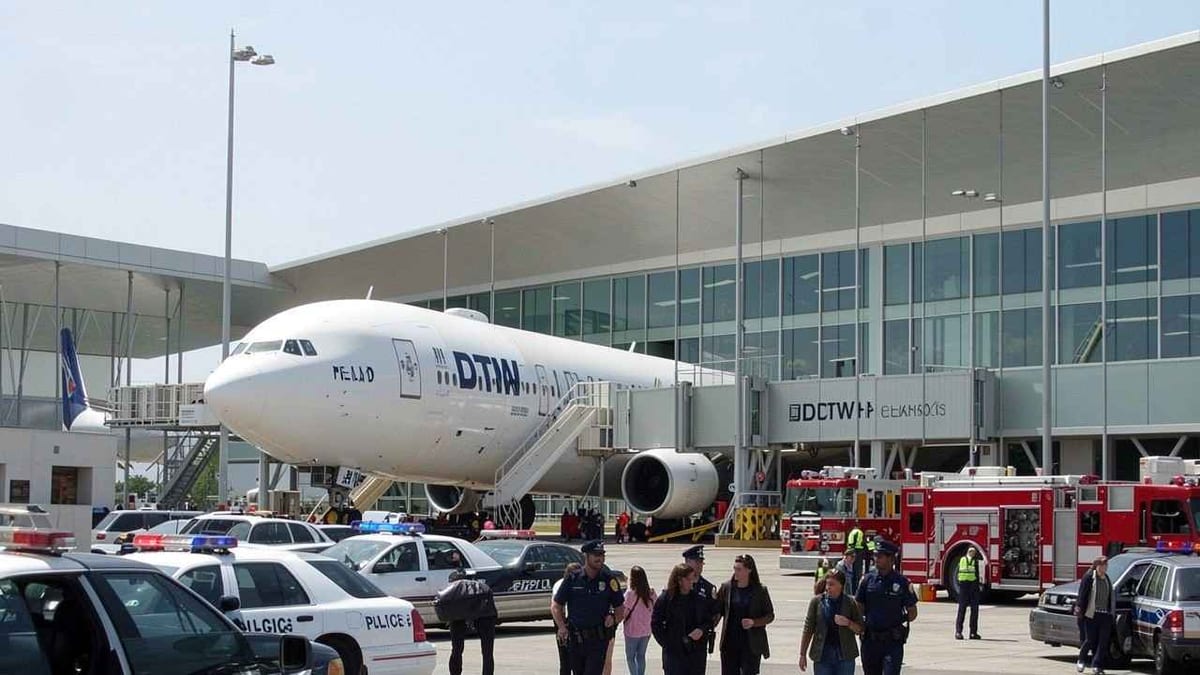
According to multiple media reports, the family had been due to fly back to Manchester Airport on a TUI-operated service when the aircraft diverted to an airport in Canada, around 2,200 miles from its intended destination. The diversion turned what was meant to be a routine end to a holiday into an unplanned international stopover, leaving the family facing unexpected accommodation, transfer and communication challenges.
Published coverage indicates that the aircraft, which had been operating a transatlantic sector toward Manchester, diverted after issues arose that meant it could not continue on its planned route. While the exact technical or operational reasons have not been fully detailed in public sources, the incident follows a series of high profile diversions and delays across the airline industry involving weather, mechanical problems and crew duty limits.
The family’s experience has drawn attention because the diversion placed them not in another European hub but in a Canadian airport far from their home region in northern England. Reports suggest they were left trying to understand how long they would remain in Canada and what assistance would be provided to help them complete the final leg to Manchester.
Limited information and long waits add to passenger frustration
Accounts of the diversion describe a familiar pattern seen in other recent airline disruption cases: limited real-time information for passengers, conflicting updates and long waits to learn about hotel rooms or onward connections. Publicly available reports about similar diversions show that travellers often feel most frustrated not by the diversion itself, which may be necessary for safety, but by uncertainty over what will happen next and who will cover extra costs.
Travel industry analysis notes that diversions can leave families with children facing particular difficulties. Arriving late at night in an unexpected country, navigating immigration, collecting baggage and queuing for hotel allocations can be especially stressful for those travelling with young children or relatives needing assistance. In this case, reports indicate the family had to manage unfamiliar procedures in Canada while trying to contact relatives back in the United Kingdom.
Consumer advocates regularly point out that even when airlines arrange accommodation and meals, delays in organising transport to hotels or a lack of clear written instructions can leave passengers uncertain about their rights. This latest TUI diversion has renewed discussion on social media and travel forums about how airlines communicate during irregular operations and how quickly concrete plans for stranded travellers are put in place.
What passengers are normally entitled to after a diversion
Travel law specialists explain that passenger rights after a diversion depend on a mix of factors, including the airline’s home country, where the flight departed, and the cause of the disruption. For flights involving a United Kingdom or European departure or carrier, regulations similar to EU261 can come into play, offering entitlements to care such as meals, refreshments and hotel rooms during long delays, as well as possible financial compensation when the airline is responsible.
When a diversion occurs outside Europe, the framework can be more complex. Passengers may fall under the jurisdiction of the country where the diversion takes place, the airline’s own contract of carriage and international conventions that cap certain liabilities. In practical terms, however, many large leisure carriers try to provide at least basic assistance, including hotel accommodation, while they arrange a replacement aircraft or alternative connections.
Industry guidance stresses that travellers should keep boarding passes, luggage tags and receipts for out-of-pocket expenses such as food, local transport and phone charges, as these can support later claims. Documentation of any communication from the airline about the cause of the diversion or expected delay can also be important if passengers later pursue reimbursement or compensation.
Growing scrutiny of disruption on leisure routes
The incident comes at a time of heightened scrutiny of reliability on leisure routes, particularly those serving major UK holiday gateways such as Manchester. In recent years, TUI and other carriers have faced criticism over last-minute cancellations, extended delays and complex rebookings that have left families abroad longer than planned or returning home days late.
Analysts say several factors contribute to disruption on long-haul leisure services, including tight aircraft utilisation, busy seasonal schedules, changing weather patterns and ongoing challenges in recruiting and rostering crew. When something goes wrong, spare aircraft and crews may not be readily available at outstation airports, which can increase the likelihood of diversions to airports where maintenance or operational support is stronger.
Published commentary on recent incidents involving other airlines diverting to Canadian airports notes that remote or less familiar destinations can make logistics more complicated. Arranging enough hotel rooms, organising ground transport and coordinating with local authorities may take longer than at major hubs in Europe, which can leave passengers waiting on board or in terminals for extended periods.
Practical advice for families facing unexpected diversions
While this latest TUI case is unusual because of the distance between the diversion point and the intended destination, travel experts suggest there are some steps any family can take if their flight is suddenly sent elsewhere. Keeping essential medications, a change of clothes and basic toiletries in cabin baggage, rather than in checked luggage, can make an unplanned overnight stay more manageable.
Specialists also recommend that at least one family member keeps a fully charged phone power bank and downloads airline apps before travel, as these can sometimes provide earlier updates on rebookings or hotel vouchers than busy airport staff. Screenshots of boarding passes, baggage receipts and any on-screen messages from the airline can be useful if systems go offline or if questions arise later about what was promised.
For parents, simple preparations such as packing snacks, an empty refillable water bottle where permitted, and small entertainment items for children can ease long waits on the tarmac or in terminal areas. In the aftermath of incidents like the diversion that left the Manchester-bound family stranded in Canada, travel commentators emphasize that while passengers cannot control operational decisions, they can take modest steps to reduce stress if plans suddenly change.