


More news on this day
Federal agencies at Chicago’s O’Hare International Airport recently intercepted what has been described in published coverage as a “cornucopia” of unapproved medications, seizing hundreds of packages of suspect drugs arriving from overseas and casting fresh light on the health and safety risks posed by informal pharmaceutical imports.
Get the latest news straight to your inbox!
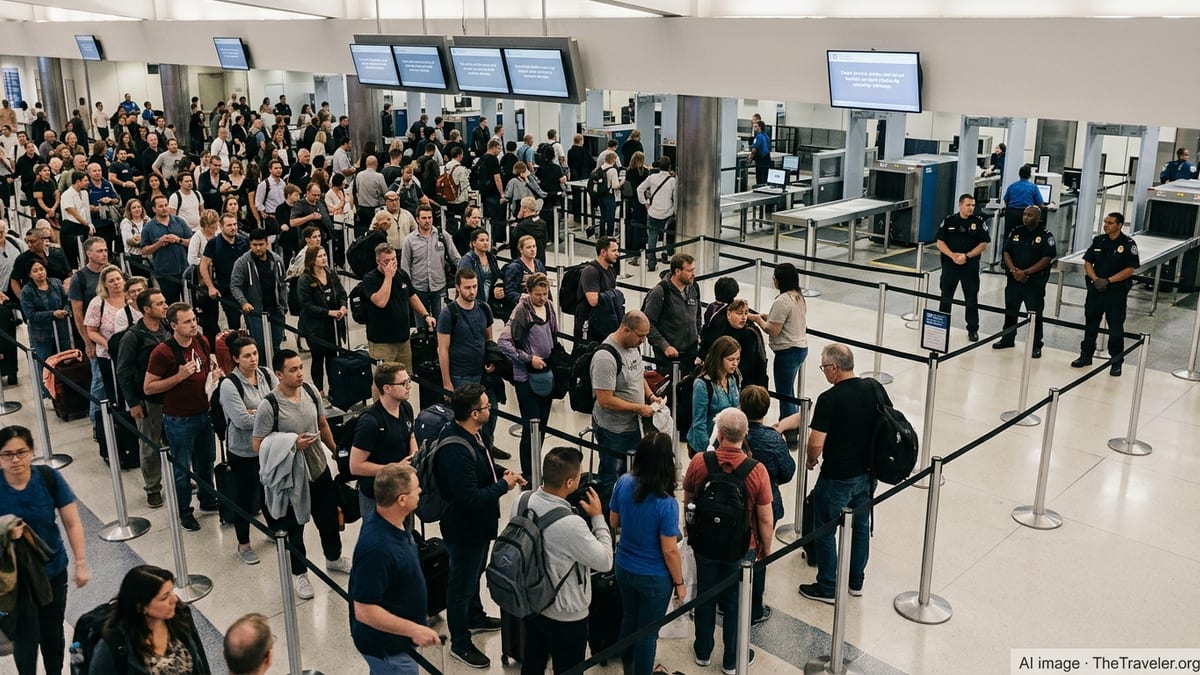
Large seizure highlights growing pipeline of illicit medicines
According to recent local news reports, the intercepted shipments at O’Hare contained a wide mix of products marketed for chronic conditions, cosmetic use, sexual enhancement and weight loss. Many of the items were labeled in foreign languages, lacked English instructions, or carried dosage information that did not match U.S. standards, raising concerns about misuse and overdose.
Publicly available information indicates that the medications arrived in small consignments addressed to individuals in multiple states, a pattern that enforcement agencies often associate with online pharmacies and social media sellers. The scale of the haul, described as a “cornucopia” of products, points to a steady demand among travelers and consumers seeking cheaper or faster access to prescription-only treatments.
O’Hare is one of the country’s busiest hubs for international air cargo and mail, and previous government reports have identified the airport as a key chokepoint for illicit or noncompliant health products entering the United States. The latest seizure reinforces the airport’s frontline role in monitoring global supply chains for pharmaceuticals and medical devices that fall outside federal rules.
For travelers and consumers who may encounter such products abroad, the enforcement action serves as a reminder that medicines considered commonplace in one country can be illegal, substandard or unsafe under U.S. law, particularly when purchased from informal vendors.
What “unapproved” means for medications entering the U.S.
Federal law requires that prescription and many over-the-counter drugs be reviewed and approved before they can be legally marketed in the United States. Public guidance from the U.S. Food and Drug Administration explains that a medicine is considered “unapproved” if it lacks an approved application, even if similar active ingredients are available domestically in other products.
Unapproved medications may differ in dosage strength, formulation, manufacturing quality or labeling. Packages seized at O’Hare reportedly included products that did not list active ingredients in English, omitted information about side effects, or made sweeping therapeutic claims not supported by recognized approvals. Such gaps in labeling can leave travelers without the information needed to use the drugs safely.
Regulators also warn that products purchased through informal channels may bypass the safeguards applied to licensed pharmacies, such as temperature controls, secure sourcing and verification of manufacturing standards. For drugs like insulin, cardiovascular treatments or injectable cosmetic fillers, deviations in handling or formulation can have serious medical consequences.
In practice, even when individuals import medicines for personal use, shipments arriving through international mail or passenger baggage can be detained or refused if they appear to violate federal drug and cosmetic law. The O’Hare seizure underscores that distinction between what travelers may regard as a personal purchase and how that same product is treated at the border.
Patterns at international gateways and enforcement efforts
Government oversight documents over the past decade have repeatedly noted the volume of drug parcels arriving through international mail facilities linked to major airports, including Chicago O’Hare. Reviews of inspection records have described tens of thousands of packages containing prescription medicines entering the country each year, with a significant share deemed unapproved or misbranded.
Collaborative operations between customs officials and health regulators have targeted these flows, combining x-ray screening, risk-based targeting and laboratory testing. Recent federal initiatives highlighted on agency websites describe joint campaigns that have seized counterfeit pills, illicit online pharmacy shipments and improperly imported injectables in multiple U.S. ports.
At airports like O’Hare, inspections extend beyond mail centers to encompass air cargo and, in certain cases, passenger luggage. Travelers returning from medical tourism trips or shopping excursions abroad sometimes carry medications purchased over the counter in other countries, unaware that identical products may require prescriptions or higher regulatory scrutiny in the United States.
While only a fraction of arriving packages are physically opened and examined, public summaries of enforcement actions suggest that targeted inspections can uncover sizable networks of suppliers and repeat shipping patterns. The latest high-profile seizure in Chicago fits within that broader effort to identify and disrupt pipelines before problematic drugs reach consumers.
Health and legal risks for travelers and consumers
For travelers passing through major hubs, the O’Hare case illustrates how informal drug purchases can evolve from a personal convenience into a potential legal and health hazard. Even when items are intended for individual use, medicines that are not approved, improperly labeled or shipped in violation of federal rules can be detained or destroyed, and in some circumstances may be linked to broader investigations.
Health agencies caution that unapproved medications may contain incorrect dosages, unexpected contaminants or entirely different active ingredients than those listed on the label. This is especially concerning for drugs used to treat heart disease, diabetes, infections or hormonal conditions, where small deviations in formulation can have outsized effects.
Travelers who rely on prescription treatments are generally encouraged, in public-facing guidance, to carry their medications in original containers, bring copies of prescriptions, and avoid restocking critical drugs through unknown online sellers or unlicensed street vendors abroad. The seizure at O’Hare highlights the difference between refilling a doctor-prescribed medication at a regulated pharmacy and experimenting with unfamiliar brands or formulations obtained informally.
For those considering ordering medicines online from foreign vendors, consumer advisories emphasize checking for accreditation, verifying that a prescription is required, and being cautious of offers that dramatically undercut typical U.S. prices. The diversity of products intercepted in Chicago suggests that demand is particularly strong for lifestyle and performance-related drugs, which can be heavily marketed on social platforms.
Implications for global travel and airport screening
The recent enforcement action at O’Hare comes at a time when international travel volumes have largely recovered and e-commerce continues to blur traditional lines between local and global markets. As travelers move more freely and ordering from overseas websites becomes routine, airports are under growing pressure to balance passenger throughput with closer scrutiny of small packages and personal luggage.
Travel industry observers note that seizures of unapproved medications can have ripple effects on screening times and inspection intensity, especially at peak travel periods. Operations that uncover large or unusual caches often lead to temporary surges in targeted checks, which may be felt by passengers on certain routes or carriers more than others.
For Chicago, a major connecting point for both transatlantic and transpacific flights, the case reinforces the airport’s status as a barometer for wider trends in cross-border health products. The mix of items seized reflects patterns seen globally, where high-cost therapies, cosmetic injectables and performance-enhancing drugs are frequently sought outside formal medical systems.
As details from the O’Hare seizure circulate through public reporting and regulatory summaries, the incident is likely to feed into future risk models that determine which shipments and itineraries receive closer attention. For travelers planning trips through the hub, the clearest takeaway is that carrying or receiving medications from overseas without clear documentation or approval continues to involve significant uncertainty at the border.