


More news on this day
A series of severe traffic jams on the Lokoja-Abuja highway in recent months has repeatedly left travellers stranded for hours and, in some cases, days, underscoring how fragile one of Nigeria’s most important road corridors has become.
Get the latest news straight to your inbox!
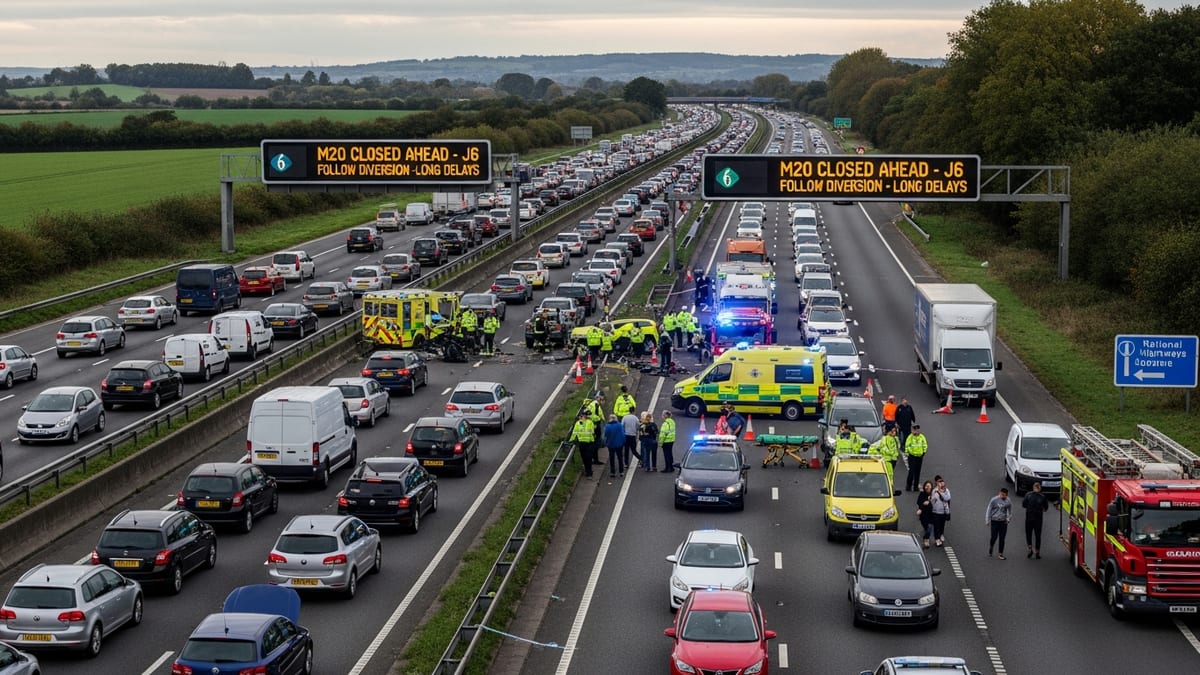
Key Artery Brought to a Standstill
Reports from multiple Nigerian outlets describe a pattern of massive gridlock on the Lokoja-Abuja highway, particularly around Lokoja, Koton Karfe, Banda and the Jamata Bridge. In early April, congestion linked to the Easter travel rush and ongoing construction brought traffic to a near halt, trapping hundreds of vehicles in queues stretching several kilometres.
Coverage indicates that on some stretches between Felele, Natako, Banda and the Jamata Bridge, motorists remained in the same spot for more than 24 hours as the logjam deepened. Travellers heading both into Abuja and toward the north-central and southern regions were caught in the bottleneck, with long-distance buses, private cars and heavy-duty trucks all affected.
Video reports from the corridor show lines of articulated vehicles and passenger buses barely moving, while passengers mill around on the tarmac. Some travellers were reported to have slept in their vehicles, while others chose to walk ahead or transfer to motorcycles to escape the worst-affected segments of the highway.
Additional accounts from February and March describe similar episodes of gridlock near Koton Karfe and Gwagwalada, where lane closures on bridges and narrow diversions around construction zones sharply reduced capacity and triggered fresh waves of congestion.
Construction Bottlenecks and Broken-Down Trucks
Publicly available information points to a combination of structural and operational problems behind the recurring standstill. The Lokoja-Abuja highway has been under various phases of reconstruction and dualisation for years, with key sections such as Zuba to Abaji and Koton Karfe to Lokoja still listed as ongoing projects in federal budget documents.
During the recent crises, reports highlighted active roadworks between Lokoja and the Jamata Bridge, where narrowed lanes, diversions and rough surfaces slowed traffic to a crawl. At the same time, several broken-down articulated vehicles were said to have stalled on these constrained sections, effectively creating chokepoints that funneled long-distance traffic into a single usable lane.
Motorists have also drawn attention to the poor condition of certain stretches, particularly around Koton Karfe and Banda. Potholes, uneven shoulders and partially completed carriageways make manoeuvring difficult for heavy trucks, increasing the likelihood of breakdowns and minor incidents that further constrict traffic flow.
Published coverage additionally notes that parking practices by some truck drivers, who leave vehicles lined along the roadway, can turn a busy but passable corridor into a near-complete blockage when volumes spike during festive or holiday periods.
Travellers Bear the Brunt of Delays
The immediate impact of these gridlocks has fallen most heavily on travellers. Reports from the Easter period describe families and long-distance passengers stranded without reliable access to food, water or restrooms as they waited through the night in stationary or crawling traffic.
Some commuters heading to northern cities such as Kaduna and Kano reportedly postponed journeys altogether after earlier attempts left them stuck for many hours. Others have sought alternative routes through Lokoja-Kabba or Lokoja-Okene, accepting longer detours to avoid the uncertainty and stress of the main highway.
The prolonged standstill has also created a secondary informal transport economy around the worst-hit points. Commercial motorcycle operators were reported to be charging steep fares to ferry passengers across isolated sections of the jam, particularly near bridges where traffic had ground to a halt, as travellers tried to keep appointments, flights and family commitments.
Transport operators say the disruption has translated into higher operating costs, missed schedules and vehicle wear, with some long-distance drivers choosing to temporarily abandon the corridor until conditions improve.
Safety, Security and Economic Concerns
The recurring gridlock has raised broader concerns about safety and security on the Lokoja-Abuja route. The corridor is already regarded as sensitive from a security standpoint, and extended queues of stationary vehicles heighten fears of opportunistic crime and make passengers feel more vulnerable, especially at night.
Traffic crashes remain an additional risk, particularly where frustrated motorists attempt to drive against traffic, create new lanes on the shoulders or squeeze past parked trucks on damaged sections of road. Past incidents on the highway have shown how quickly illegal overtaking or wrong-way driving can result in serious collisions.
Economically, long delays on such a critical national artery disrupt the movement of goods between the Federal Capital Territory and the south of the country. Haulage trucks carrying food, fuel and manufactured products can be delayed for many hours, adding costs to supply chains and straining already volatile prices.
Business groups and community leaders along the route have repeatedly flagged the highway’s congestion as a brake on local and national commerce, warning that periodic gridlock undermines the reliability of overland transport in a country where road remains the dominant mode for freight and passenger movement.
Calls for Durable Fixes to a Chronic Problem
The recent episodes of gridlock have renewed calls for more durable solutions to what many residents describe as a chronic problem. Public commentary has focused on the need to accelerate long-running reconstruction contracts on the Abuja-Lokoja corridor and to ensure that existing work zones are managed in a way that preserves at least a minimal flow of traffic.
Published appeals have urged closer coordination between road builders and traffic managers to enforce orderly lane usage, prevent indiscriminate parking by heavy-duty trucks and respond more quickly when breakdowns block narrow sections of the highway. Some commentators have argued for designated parking and holding areas for articulated vehicles away from critical choke points.
Recent statements from traditional and community leaders in the Lokoja-Koton Karfe axis have also highlighted the importance of fixing key bad spots before the end-of-year travel surge. With the busy “ember months” approaching, road users fear that without swift action, the highway could again witness days-long standstills similar to those recorded during the last festive season.
For now, travellers on the Lokoja-Abuja highway continue to face an unpredictable journey, planning for extra hours on the road and, in many cases, exploring alternate routes in the hope of avoiding the next sudden gridlock.