


More news on this day
From sunrise boot camps on tropical beaches to sleep-optimized penthouse suites, fitness and wellness tourism has moved from niche to mainstream, rapidly becoming a near trillion dollar pillar of the global travel economy.
Get the latest news straight to your inbox!
A Wellness Economy Surging Past Traditional Tourism
Recent industry research shows that wellness is no longer a side business for global travel but one of its fastest growing engines. The Global Wellness Institute estimates the broader wellness economy reached roughly 6.8 trillion dollars in 2024 and is expanding faster than global GDP as consumers channel more discretionary spending into health, resilience and longevity-focused products and experiences.
Within that ecosystem, wellness tourism has emerged as a standout segment. Forecasts from the Global Wellness Institute indicated that wellness tourism spending would climb from about 651 billion dollars in 2022 to around 868 billion dollars in 2023 and cross the 1 trillion dollar threshold in 2024, more than doubling by 2027. Parallel analysis from market researchers such as Grand View Research points to a similar trajectory, projecting the wellness tourism market to approach or exceed 2.4 trillion dollars by the mid 2030s as demand for structured fitness, spa and holistic health programs accelerates.
Publicly available information suggests this growth is also outpacing conventional leisure travel. Industry briefings describe wellness trips as growing at nearly twice the rate of general tourism, as travelers bolt yoga classes, guided hikes and nutrition consultations onto beach breaks and city escapes, or build entire itineraries around fitness and recovery goals.
Consulting firms tracking hospitality trends report that wellness has become a central expectation in the premium and luxury segment. Survey data cited in recent tourism outlooks indicates that a large majority of leisure travelers now consider access to fitness and health amenities important when choosing where to stay, reinforcing the shift from passive to active holidays.
From Spa Days to High Performance, Longevity and Metabolic Health
The character of wellness travel is changing as quickly as the numbers. What began as spa weekends and yoga retreats has evolved into intensive fitness camps, data-led longevity programs and highly personalized metabolic reset stays that blend sports science with luxury service.
Resort operators in North America and Europe now promote curated weeks built around structured training, movement diagnostics and cardiometabolic coaching. Marketing materials from providers such as Wellness Academy in the United States highlight “five star lifestyle wellness retreats” featuring outdoor functional training, performance testing and year-long remote coaching follow-up, presenting the trip as the starting point of an extended behavior change journey rather than a one-off escape.
In Europe, properties including Schloss Elmau in the Bavarian Alps advertise bespoke longevity retreats that fuse mountain hiking, yoga and ice bathing with performance diagnostics, mental coaching and tailored massage protocols. According to publicly available program descriptions, guests can combine biomarker assessments with guided movement and recovery sessions in a setting that mirrors a luxury grand hotel as much as a medical clinic.
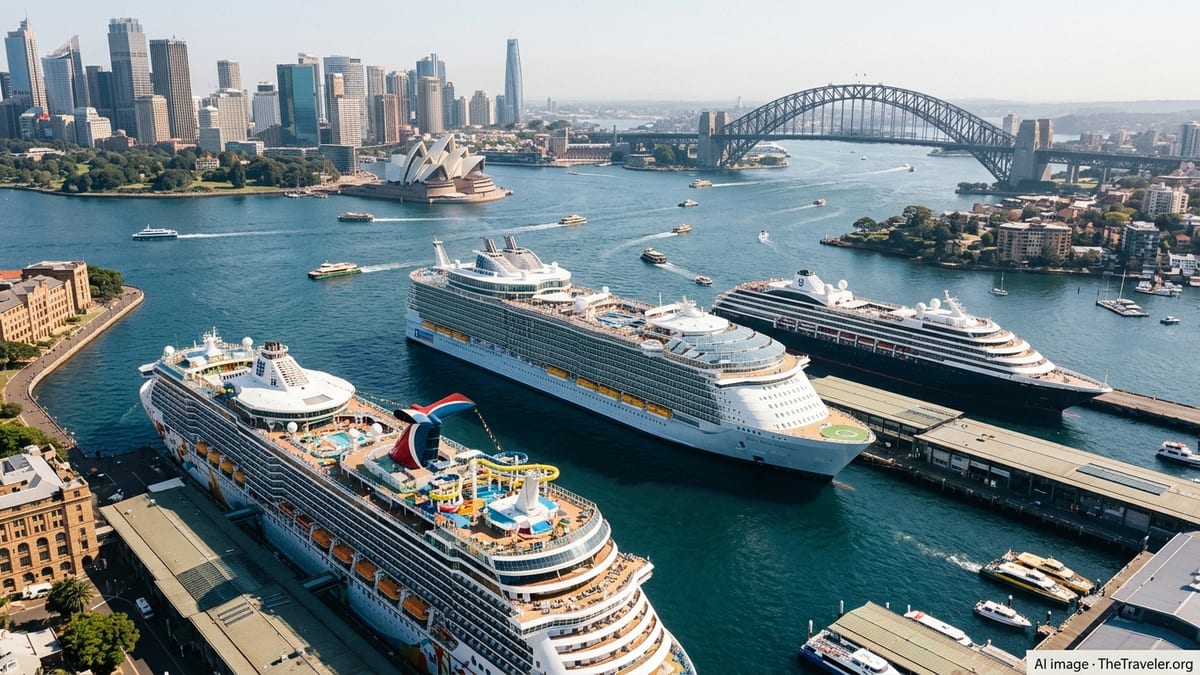
At the same time, cruise lines and large resort brands are pivoting into structured wellness itineraries. Industry coverage of new offerings from luxury cruise operators describes “wellness retreats at sea” built around healthy aging, functional nutrition, mental well-being and detox programming, signaling an effort to turn ships into floating gyms, spas and mind-body studios.
Hotels Race to Rebrand Luxury Around Sleep, Recovery and Quiet
As the market for wellness travel matures, recovery and rest are joining fitness as status symbols. Coverage of hospitality trends points to a growing focus on “sleep tourism,” in which travelers pay premium rates for rooms designed to optimize rest through soundproofing, circadian lighting, customized mattresses and tech-enabled sleep tracking.
Recent reporting on hotel trend forecasts, including documents from major global chains, notes a move toward “hush-focused” hospitality that prioritizes silence, solo time and decompression. Some urban luxury properties now promote sleep-optimized suites at nightly rates in the thousands of dollars, with blackout architecture, mindfulness programming and access to breath-work or gentle movement sessions intended to counteract the effects of high-pressure work lives.
Destination wellness resorts are also building multiday “reset” packages that prioritize nervous-system downshifting as much as physical exertion. Brands such as Miraval Resorts and similar properties in Europe and Asia market schedules that balance yoga, hiking and fitness classes with meditation, digital detox protocols and curated sleep routines. These offerings frame rest and emotional regulation as core components of a luxury fitness holiday rather than optional extras.
Industry analysts suggest this shift reflects changing values among affluent travelers. Instead of displaying status through overwork or partying, high-income guests increasingly seek proof that they can afford time, expertise and space to recover, using travel as a vehicle to buy back sleep, calm and healthspan.
Demographics Driving Demand: From Burnout to “Better Aging”
Several overlapping demographic and social trends are feeding the boom in fitness-oriented tourism. Aging populations in North America, Europe and parts of Asia are generating rising interest in “better aging” and longevity services, from strength training and mobility coaching to hormone health and menopause support. Publicly available briefings from wellness consultancies point to the rapid growth of menopause-focused retreats and medical-spa programs as more women with significant spending power seek targeted, science-informed solutions.
At the same time, the high prevalence of chronic conditions linked to inactivity and poor diet has made movement-focused travel more attractive. Market researchers note that wellness tourists are typically more affluent and willing to pay a premium for environments that support structured exercise, healthy food and behavior change. Many packages are marketed around specific outcomes such as weight management, cardiovascular health or metabolic reset, even if results are not clinically guaranteed.
Burnout is another major catalyst. Recent lifestyle coverage from outlets including Axios has chronicled how exhausted workers are turning to high-end sleep and recovery trips, executive function coaching and longevity doctors as a kind of counterweight to “hustle culture.” Wellness travel products increasingly position themselves as necessary interventions to restore focus and energy rather than indulgent splurges, broadening their appeal to corporate travelers and entrepreneurs.
Younger generations are also reshaping the market. Surveys cited in hospitality and fitness industry reports suggest that many Gen Z and millennial travelers now prefer to socialize around workouts, group classes and outdoor adventures instead of nightlife. This shift is encouraging operators to design itineraries where the gym, studio or trail functions as the primary social hub of a holiday.
How Travel Brands Are Rebuilding Itineraries Around Movement
For travel suppliers, fitness tourism is no longer limited to adding a small gym or offering occasional yoga on the lawn. Airlines, tour operators and destination marketing organizations are retooling products to showcase movement-rich experiences as the core narrative of a trip.
Destination marketing campaigns highlight trail networks, cycling routes, wild swimming spots and outdoor fitness infrastructure alongside traditional cultural attractions. Tourism boards in regions from the Mediterranean to Southeast Asia now position hiking, running and water sports as key reasons to visit outside peak seasons, hoping to lengthen travel calendars while appealing to health-conscious visitors.
Specialist tour companies are designing small-group trips that merge daily training sessions with local immersion. Examples range from high-intensity beach boot camps and triathlon training weeks to softer “wellness safaris” combining guided walks, strength sessions and restorative yoga. According to trade press coverage, many of these programs sell out months ahead, particularly when they feature well-known trainers or health influencers as hosts.
The aviation and premium ground transport sectors are also beginning to adapt. Some luxury travel planners now promote end-to-end wellness journeys that layer business-class flights, airport lounge access with healthier food options, and private transfers directly to fitness or longevity resorts. This packaging reinforces the idea that the entire journey, not just the destination, should support physical and mental well-being.
Challenges, Inequality and the Next Phase of Growth
Despite its rapid rise, fitness tourism faces questions about accessibility, evidence and sustainability. Many of the highest profile programs are priced for a narrow global elite, with weeklong stays commonly running into the high four or five figures. Analysts and commentators have raised concerns that the sector risks becoming a form of “wellness for the wealthy,” reinforcing health inequalities if similar services remain inaccessible in travelers’ home communities.
There are also questions around the scientific rigor of some offerings. While a growing subset of retreats integrates qualified medical professionals, diagnostic testing and evidence-based exercise programming, others rely heavily on marketing language that borrows from biohacking culture without robust data. Consumer advocates encourage travelers to scrutinize claims, seek clarity on practitioner qualifications and treat even high-cost programs as one component of a broader, long-term health strategy.
Environmental impact is another tension point. Wellness tourism often promotes nature immersion, yet many guests travel long distances by air to reach remote resorts. Industry discussions increasingly reference the need for low-carbon operations, local sourcing, smaller group sizes and longer stays that justify long-haul flights. Some operators are experimenting with rail-based itineraries, rewilding projects and partnerships with conservation organizations as part of their wellness branding.
Even with these challenges, analysts expect fitness and wellness-focused travel to remain one of the defining stories in global tourism over the next decade. As consumers prioritize healthspan, mental resilience and meaningful rest, the idea of a holiday as a time to undo lifestyle damage is giving way to a model in which travel itself becomes a tool for building strength, balance and long-term well-being.