


More news on this day
Newly reported flight cancellations involving Qatar Airways, Akasa Air, and Air Arabia are creating fresh disruption for passengers transiting through Doha, with services touching Dubai, Mumbai, Bali, Colombo, Sharjah and other key regional routes affected as airlines continue to adjust operations amid constrained Qatari airspace and shifting schedules.
Get the latest news straight to your inbox!
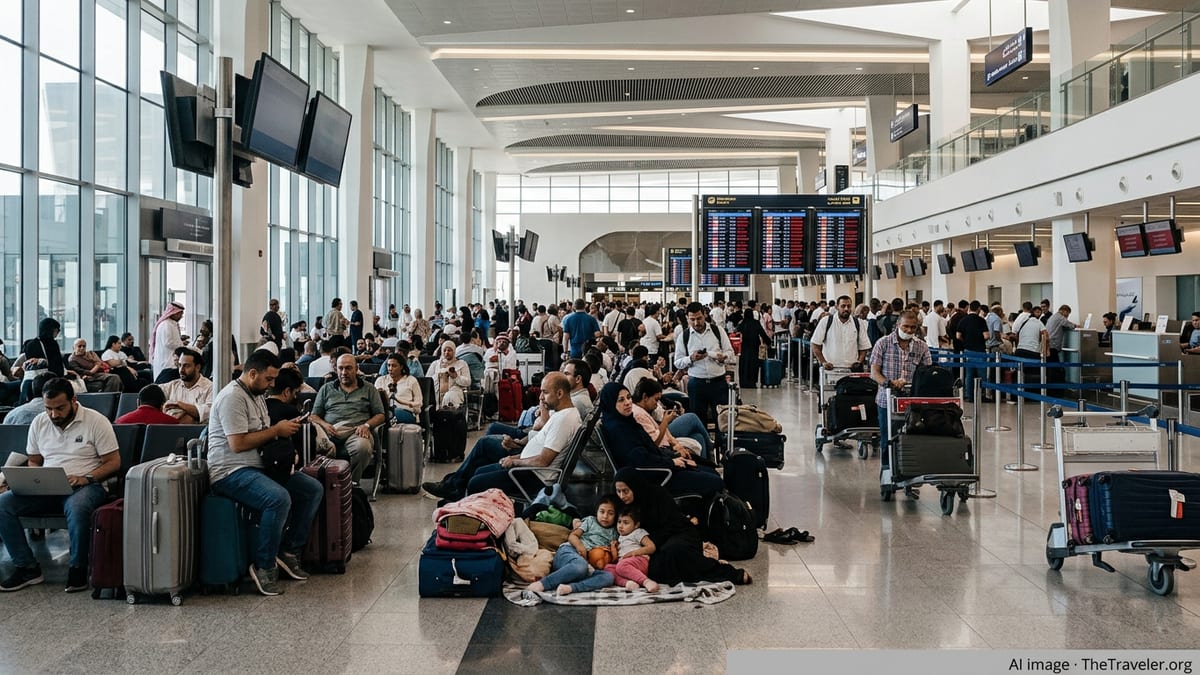
Seven Key Flights Pulled From Doha Schedules
Recent operational updates show at least seven notable flights linked to Doha being withdrawn or cancelled, hitting some of the busiest city pairs in the Gulf and South Asia network. Flight tracking and schedule platforms indicate that select Qatar Airways departures from Doha to long haul and regional destinations have been marked cancelled, while partner and regional carriers Akasa Air and Air Arabia have also removed or suspended certain Doha services.
The affected routes include links from Doha to Dubai, Sharjah and other United Arab Emirates gateways, along with high demand connections to Mumbai and Colombo, and longer itineraries that route passengers onward to leisure destinations such as Bali. In several cases, passengers report that the Doha sector has been cancelled or retimed, forcing a complete rebooking of multi segment itineraries that were built around a transit at Hamad International Airport.
Some cancellations are appearing only a few days before departure, according to passenger accounts and booking platform data, making it difficult for travelers to predict whether upcoming Doha flights will operate as planned. The pattern has left many relying on live status tools and airline apps, checking repeatedly in the final week before their trip.
While the exact mix of cancelled services is shifting day by day, the emerging picture is that of a constrained hub that is still rebuilding its schedule. This environment is particularly sensitive for routes such as Doha to Dubai and Doha to Sharjah, which are normally dense shuttle style services used by residents, business travelers, and transfer passengers connecting across the wider network.
Qatari Airspace Constraints Still Shape Operations
The latest wave of disruption cannot be viewed in isolation from the broader airspace situation facing Qatar in early 2026. Regional developments led to the closure of Qatari airspace in late February, triggering mass cancellations of commercial services into and out of Doha and forcing airlines to operate only a limited number of relief and evacuation flights along emergency corridors.
Subsequent updates from aviation authorities indicated that air navigation over Qatar has reopened only partially, under capacity restricted emergency routes. Commercial airlines using Doha have been rebuilding their schedules cautiously, prioritizing certain long haul connections and essential regional links while leaving other frequencies suspended or significantly reduced.
In practical terms, that has meant that even when the Doha hub appears busy again, daily timetables remain thinner than before, with more last minute consolidation of flights. Routes to major Gulf neighbors, including Dubai and Sharjah, and South Asian cities such as Mumbai and Colombo are particularly exposed because they previously relied on high frequency operations throughout the day.
With airspace capacity still limited, airlines have had to make choices about which flights to operate. This has contributed to the pattern in which some departures to or from Doha, including those feeding leisure markets like Bali or popular expatriate destinations across South Asia, are cancelled or merged close to departure as carriers fine tune loads and routings.
How Qatar Airways, Akasa Air and Air Arabia Are Adjusting
Qatar Airways, the main operator at Hamad International Airport, has updated its schedules several times since the February airspace closure, initially suspending most commercial flights and then gradually restoring selected services as emergency corridors became available. Publicly available information indicates that the carrier is currently in a rebuilding phase, bringing back routes and frequencies in stages while retaining flexible rebooking policies for affected travelers.
Regional low cost and hybrid airlines that link into Doha are also recalibrating. Akasa Air, which only recently entered the Middle East with services from India to Doha, has announced temporary suspensions on some of its flights to Qatar during the current period of regional tension and restricted airspace. This has a knock on effect on Indian origin passengers, particularly from Mumbai and other major metros, who would otherwise use Akasa to feed into or out of Doha.
Air Arabia, based in the United Arab Emirates, operates an extensive network between Sharjah and South Asian and Middle Eastern destinations, and has been active in adjusting its schedules in response to changing conditions in the Gulf. When Doha bound or Doha originating sectors are removed, journeys that connect via Sharjah or combine Air Arabia with other carriers can be disrupted, especially for passengers traveling between Sharjah and destinations such as Colombo or secondary Indian cities.
Because each airline is publishing its own rolling updates, the pattern of cancellations affecting Amsterdam style hub connections through Doha can look inconsistent from the passenger perspective. Some travelers report that their Doha to Dubai or Doha to Bali sectors have been cancelled and rerouted via third country hubs, while others with similar dates still see their flights operating, reflecting the constantly shifting capacity picture.
Impact on Passengers to Dubai, Mumbai, Bali, Colombo and Sharjah
The immediate impact of the seven highlighted cancellations and associated schedule changes is most visible among passengers traveling between the Gulf and South Asia, as well as those headed to Southeast Asian leisure destinations. Routes connecting Doha with Dubai and Sharjah are central for residents who commute between cities or use the UAE as an entry point to onward travel, and any reduction in frequency creates bottlenecks and longer transit times.
Indian travelers, especially those booked on itineraries between Mumbai and Doha, are also heavily affected. When a Doha sector is cancelled, entire return trips can unravel, particularly for those relying on tight connections through Hamad International Airport. Similar challenges are emerging on services linking Doha and Colombo, which carry large numbers of migrant workers and family visitors who may have limited flexibility in changing travel dates.
For holidaymakers heading to Bali and other Indonesian destinations, Doha cancellations often mean being rebooked onto alternative hubs such as Istanbul or Kuala Lumpur, extending total journey times and sometimes adding extra stops. Reports from recent weeks suggest that some Bali bound passengers have received last minute notifications of Doha related cancellations, followed by complex rerouting on partner carriers.
The uneven nature of the disruption also complicates planning. Some travelers scheduled to fly in late May or June continue to see their Qatar Airways flights listed as operating, while others in similar windows have already been informed of cancellations or significant retimings. This uncertainty is encouraging many to build additional buffer time into travel plans or to consider routings that bypass Doha entirely.
What Travelers Should Watch in the Coming Days
With airspace restrictions still limiting overall capacity into and out of Qatar, further short notice adjustments around Doha remain possible in the coming days. Airlines are updating their timetables frequently, and in some cases only confirming which flights will operate a few days before departure. Travelers on routes involving Doha, particularly those touching Dubai, Sharjah, Mumbai, Colombo and Bali, should expect a higher than usual risk of last minute changes.
Publicly available guidance from carriers suggests that passengers should monitor their booking status regularly through airline websites and mobile apps and keep contact details up to date so they can receive notifications about cancellations or rerouting. Many airlines, including those now adjusting their Doha operations, are offering flexible rebooking options, date changes or refunds for tickets affected by the ongoing situation.
Travelers with complex itineraries, such as multi city trips or journeys combining Akasa Air, Air Arabia and Qatar Airways sectors, may wish to review their connections and minimum transit times carefully. Where possible, adding longer layovers or avoiding tightly timed transfers in Doha could reduce the risk of misconnecting if a single sector is cancelled or consolidated.
Industry observers will be watching how quickly capacity through Doha can normalize as emergency air routes evolve and airlines refine their schedules. For now, the cancellation of key flights serving Dubai, Mumbai, Bali, Colombo, Sharjah and other destinations underlines the fragility of regional connectivity when a major hub is operating under airspace constraints.