


More news on this day
Travelers moving through Pittsburgh International Airport are facing mounting disruption after a fresh wave of cancellations and delays involving SkyWest, Republic Airways, Delta, United and other carriers triggered a ripple effect across key domestic hubs including Atlanta, Austin, Chicago and Charlotte.
Get the latest news straight to your inbox!
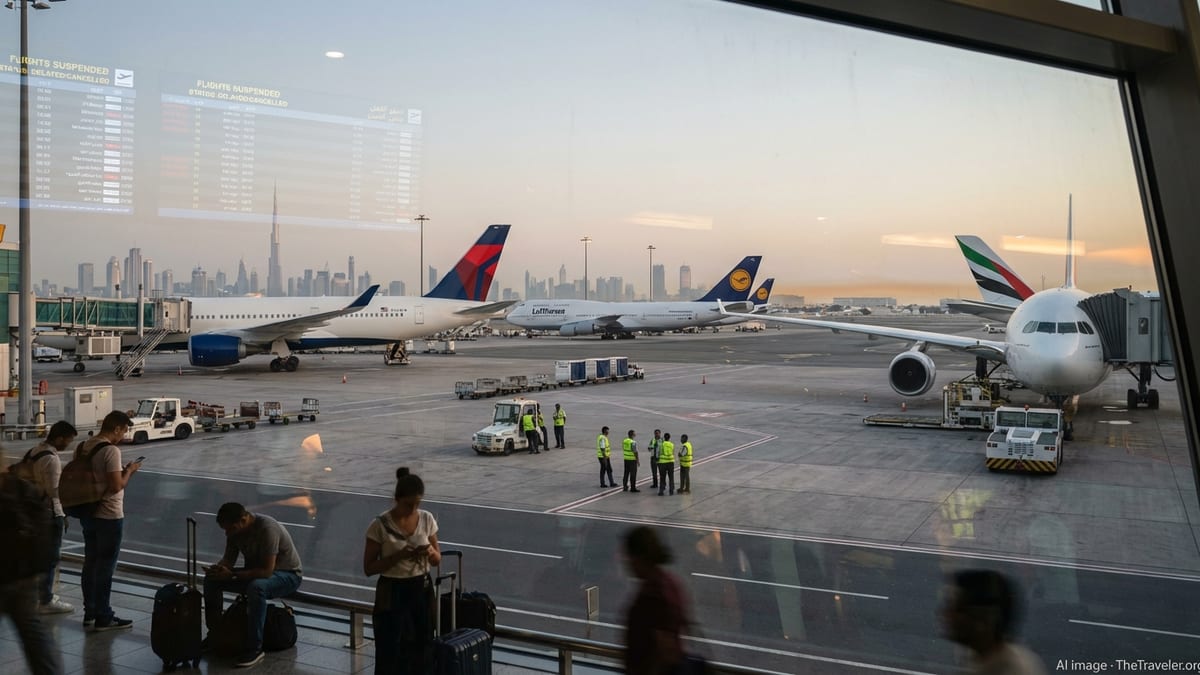
Series of Cancellations and Dozens of Delays Hit PIT
Publicly available flight-tracking data on Wednesday indicates that at least 10 departures and arrivals linked to Pittsburgh International Airport were canceled in a short window, alongside roughly 80 delayed flights, as regional and mainline carriers struggled to keep schedules on track. The disruptions appear to involve a mix of regional operations flown by SkyWest and Republic Airways on behalf of major brands such as Delta and United, as well as other partner airlines serving key domestic routes.
The cancellations affect services connecting Pittsburgh with some of its busiest destinations, including Chicago, Atlanta and Charlotte, where many travelers make onward connections. With regional operators responsible for a large share of traffic between Pittsburgh and major hubs, even a modest number of grounded aircraft can trigger outsized disruption, especially at peak morning and evening periods when business and connecting traffic is heaviest.
Live departure and arrival boards show delay times varying widely, from short holds of under an hour to extended waits stretching several hours as aircraft and crews are repositioned. The pattern of disruption suggests a combination of operational challenges, including aircraft availability and crew scheduling constraints, though specific causes for each canceled flight are not immediately clear from public data.
While Pittsburgh has seen steady recovery in passenger volumes compared with the early years of the pandemic, the current disruptions underline how quickly conditions can deteriorate when multiple regional carriers run into simultaneous problems. Travelers who arrived at the airport expecting routine midweek operations instead found gate changes, rolling delay notifications and a growing list of canceled services.
Passengers Stranded Across Major U.S. Hubs
The impacts extend well beyond western Pennsylvania. Because many of the affected flights are part of complex hub-and-spoke networks, passengers have been left stranded or severely delayed in connecting cities such as Atlanta, Austin, Chicago and Charlotte. Travelers attempting to reach Pittsburgh from those hubs, or to connect onward through them, are encountering full rebooking queues and slim same-day options.
In Atlanta, where Delta maintains its largest hub, publicly available flight-status services show multiple departures to and from Pittsburgh juggling revised departure times or listed as canceled. Similar knock-on effects are visible in Chicago, a key hub for United’s regional network, where SkyWest-operated services feed traffic into Pittsburgh and other mid-sized markets. Each canceled leg removes dozens of seats from the system, quickly tightening capacity for travelers seeking alternatives.
Charlotte and Austin are also feeling the strain as connecting traffic backs up. Charlotte, a major connecting point for East Coast and Midwest traffic, has seen inbound and outbound schedules to Pittsburgh fluctuate, affecting travelers trying to link to flights along the Eastern Seaboard and into the Southeast. In Austin, a growing tech and leisure destination with expanding route maps, disrupted flights have left some passengers in limbo, waiting for updated assignments, hotel vouchers or stand-by opportunities.
For many travelers, the disruption is compounded by the interconnected nature of modern itineraries. A single canceled regional leg between Pittsburgh and a hub can unravel multi-stop journeys involving transcontinental or even international flights. By the time passengers are rebooked, available seats on later connections are often limited, particularly during busy midweek and evening travel periods.
Operational Pressures on Regional Carriers
The role of regional carriers in the current disruption is drawing renewed attention to the operational pressures facing airlines like SkyWest and Republic Airways. These carriers operate flights under the brands of major airlines such as Delta and United, providing essential connectivity from mid-sized airports like Pittsburgh to national and international networks. In many cases, the regional partners are responsible for most daily departures to hubs including Chicago and Washington.
Industry analyses over the past year have repeatedly pointed to staffing challenges, especially among pilots and maintenance technicians, as a key vulnerability in regional aviation. When a crew times out under federal duty rules or an aircraft requires unscheduled maintenance, regional operators have fewer spare resources to plug gaps compared with larger mainline fleets. The result can be abrupt cancellations or rolling delays that are difficult to unwind quickly.
Data from aviation performance trackers shows that Pittsburgh’s traffic mix leans heavily on such regional operations, with SkyWest and Republic among the largest providers of capacity for major brands. When both carriers encounter constraints on the same day, the cumulative impact can be significant, particularly on short-haul routes linking Pittsburgh to major hubs where passengers expect frequent, reliable service.
While mainline carriers have made public commitments in recent months to bolster reliability and invest in additional staffing, regional networks often remain the most exposed to day-to-day operational shocks. Weather, air-traffic-control initiatives, crew logistics and aircraft maintenance all play a part, and small disruptions at one station can propagate rapidly through tightly scheduled fleets.
Airline Responses and Passenger Options
According to published airline guidance, travelers affected by cancellations and extended delays are generally eligible to request rebooking on the next available flight, and in some cases may receive meal or accommodation support depending on the cause and duration of the disruption. Same-day confirmed changes or stand-by options can provide limited relief for those able to travel earlier or later, but availability is highly constrained when multiple flights are removed from the schedule at once.
Consumer advocates frequently advise passengers caught in irregular operations to monitor both airline apps and airport display boards, as updates may appear in one channel before the other. For travelers at Pittsburgh and the affected hubs, this can mean closely watching for gate swaps, new boarding times or the appearance of additional sections or upgauged aircraft that might open new rebooking opportunities.
Passengers connecting through multiple hubs are encouraged, in existing public guidance, to consider alternative routings that avoid the most heavily disrupted airports. For instance, some carriers may be able to reroute Pittsburgh-bound travelers through secondary hubs if space is available, bypassing congested nodes like Chicago or Atlanta. Others may offer the option to change origin or destination airports within a metropolitan area, which can help travelers who are able to use nearby cities.
Travel insurance and credit-card travel protections may also come into play for some passengers. Policy terms vary, but certain products provide reimbursement for additional accommodation, meals or ground transport when flights are significantly disrupted. Travelers are generally advised in public resources to retain receipts and document delay or cancellation notices to support any future claims.
What Today’s Disruptions Signal for Summer Travel
The latest wave of cancellations at Pittsburgh arrives as the U.S. airline industry heads into the busy summer season, when high demand, tight staffing and volatile weather patterns often collide. Aviation analysts have warned that regional networks, which already operate with thin margins for error, could face particular strain as schedules ramp up and aircraft utilization rises.
Performance statistics compiled in recent weeks suggest that while on-time performance has improved year over year at some major hubs, pockets of fragility remain, especially on shorter domestic routes operated by regional affiliates. The situation at Pittsburgh, where a relatively modest number of canceled flights has produced a cascade of disruption across multiple cities, illustrates how quickly local issues can become national headaches.
For travelers planning trips in the coming weeks, the current episode serves as a reminder to build flexibility into itineraries. Advice highlighted in widely available travel guidance includes allowing longer connection windows, booking earlier flights in the day when possible, and considering nonstop options even at higher fares to reduce reliance on multiple hubs. Keeping a backup plan in mind for ground transport, such as rail or rental cars on shorter routes, can also provide a safety valve when air schedules unravel.
As airlines, regional partners and airports work through today’s disruption at Pittsburgh and the wider network, attention is likely to focus on whether staffing and scheduling adjustments can keep pace with rising demand. The answer will shape not only the experience of stranded travelers in Atlanta, Austin, Chicago and Charlotte this week, but also the reliability of domestic air travel as the peak summer rush approaches.