


More news on this day
Severe weather sweeping across Texas is disrupting air travel on Wednesday, with Dallas and Austin airports reporting cancellations, delays and ground stops that are expected to ripple through flights for much of the day.
Get the latest news straight to your inbox!
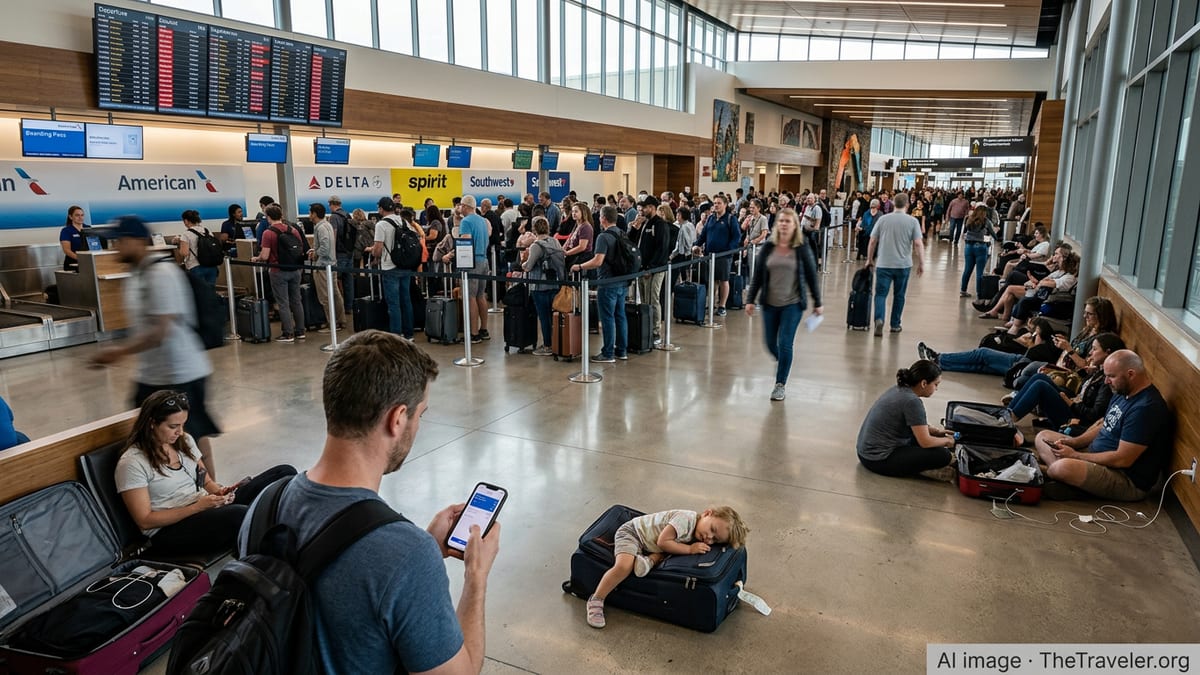
Storm system keeps pressure on North Texas air travel
Publicly available flight data and media coverage indicate that Dallas Fort Worth International Airport continues to feel the effects of a powerful storm system that triggered a ground stop on Tuesday, May 19. Hundreds of flights were canceled or significantly delayed after early morning thunderstorms moved across North Texas, and airlines are still working through the backlog on Wednesday, May 20.
Tracking services show that by late Wednesday afternoon, several hundred flights into and out of the Dallas area had been canceled across Dallas Fort Worth and Dallas Love Field, with many more operating behind schedule. The pattern reflects what aviation analysts describe as a typical multi day recovery after severe convective weather in a major hub market.
The National Weather Service outlook points to lingering thunderstorms and periods of heavy rain around the Dallas Fort Worth region, raising the risk of additional delays as airlines adjust flight paths and spacing. Low clouds and reduced visibility at times can also slow arrivals and departures even when storms are not directly overhead.
Travelers booked through Dallas Fort Worth, a key hub for domestic and international connections, are likely to feel impacts even if they are flying between two other cities. When a hub experiences a large number of cancellations on one day, aircraft and crews may be out of position for subsequent rotations, which can translate into rolling disruptions across the network.
Austin faces storms, long lines and emerging delays
Conditions at Austin Bergstrom International Airport have been somewhat more stable, but the city is also under the influence of the same unsettled weather pattern. Forecasts for Wednesday show mostly cloudy skies through the middle of the day, with scattered thunderstorms possible in the late afternoon and evening. Periods of heavy rain and lightning can prompt temporary pauses in ground operations, including ramp closures while storms move through.
Available weather observations from the Austin airport point to a warm, humid air mass with cloud ceilings dropping at times, which can slow arrivals if instrument approaches are required for extended periods. Thunderstorm chances into the night introduce the possibility of pop up delays as storms flare near key arrival and departure corridors.
Separate from the weather, Austin Bergstrom has been contending for months with heavy passenger volumes and reports of long security lines at peak times. Local coverage and traveler accounts earlier this year described early morning security waits stretching beyond an hour on some busy days, particularly around weekends and holiday periods. When disruptive weather is layered onto an already busy terminal, even modest schedule changes can quickly translate into crowded gate areas and missed connections.
With Memorial Day travel set to ramp up in the coming week, airport planners in Austin have been urging passengers to arrive early and to build extra time into their itineraries. Stormy conditions across central Texas this week add another reason for travelers to check flight status repeatedly before heading for the terminal.
Why checking status before leaving home matters today
On a typical clear weather day, passengers may be able to rely on schedules printed on tickets or shown when they first booked a trip. During a volatile weather pattern like the one affecting Texas on May 20, those schedules can become outdated within minutes. Airlines frequently adjust departure times, swap aircraft types or reroute connections as storms develop and shift, meaning that a flight listed as on time in the morning may slip into a delay window as thunderstorms build later in the day.
Publicly available information from airline websites and flight tracking services indicates that same day schedule changes have been especially common on routes touching Dallas Fort Worth this week. Short haul flights into the hub, including services from Austin, San Antonio and Houston, are often used as adjustment levers because they can be delayed or combined with other departures to manage congestion and lightning related ramp closures.
Passengers who check status repeatedly on airline apps or websites before leaving for the airport are better positioned to avoid unnecessary time in crowded terminals. In some cases, airlines will issue travel waivers that allow customers to move to different flights or days without additional fees when severe weather is forecast to affect operations. Those options are more useful when travelers spot them early, before the most desirable alternative flights fill.
For those already on their way or arriving at the airport, keeping an eye on departure boards and push notifications can help in making quick decisions about meal breaks, rebooking queues and connection plans. The same storm system that disrupted flights on Tuesday has already produced another round of delays on Wednesday, and forecasters expect additional development through the evening, suggesting that flexibility will remain important for travelers across Texas.
Key tips for flying through Dallas and Austin during storms
While every storm system is different, historical patterns at major Texas airports provide some guidance for travelers. Large thunderstorm complexes that cross North Texas often peak during the morning or late afternoon, coinciding with some of the busiest departure banks out of Dallas Fort Worth. When that happens, arrivals may be held in ground stops at their origin airports, departures can be pushed back in waves and flight crews may run up against duty time limits, all of which can create secondary delays long after storms have cleared.
In Austin, scattered afternoon and evening storms can have an outsized effect on operations because much of the schedule is concentrated in a smaller number of gates and runways. Even short ramp closures due to lightning can cause aircraft to wait for gate space, backing up subsequent departures. Travelers connecting from Austin through Dallas are exposed to both sets of risks, making real time status checks particularly important.
Aviation and weather data suggest that travelers can slightly reduce their exposure to delays by favoring early morning departures, which are often first in line to leave before the atmosphere destabilizes. However, with this week’s storm system already generating overnight and early morning impacts, even those flights are not immune. Passengers are encouraged to monitor conditions not only at their origin airport but also at their destination and any intermediate hubs.
For Wednesday and the coming days, the combination of lingering storms, saturated ground and high demand into the Memorial Day period points to a challenging operating environment at both Dallas and Austin airports. Anyone heading out should plan for possible longer security lines, arrive with extra time to spare and refresh flight status several times between packing a bag and stepping into a rideshare or car service.
Outlook for the rest of the week
Forecast discussions from meteorologists indicate that the broader storm pattern affecting Texas may persist into late week, with additional rounds of showers and thunderstorms possible across North and Central Texas. Even if conditions gradually improve, residual moisture and daytime heating can still trigger scattered storms that complicate afternoon flight operations, particularly around major hubs.
At the same time, airports and airlines are preparing for an influx of passengers tied to the Memorial Day travel period, which typically brings some of the highest volumes of the year. Dallas Fort Worth has signaled that it expects well over a million travelers to pass through between Thursday, May 21, and early next week, while Austin Bergstrom is also bracing for heavy demand across its growing network of domestic and international routes.
That combination of unsettled weather and rising passenger numbers underscores the need for travelers to stay informed. Before heading out to Dallas Fort Worth, Dallas Love Field or Austin Bergstrom, checking both local weather forecasts and live flight status can help reduce stress and improve the odds of making it to a destination on time. With storms still in the picture on Wednesday, flexible plans and up to the minute information remain the best tools for navigating Texas skies.