


More news on this day
Thousands of air passengers across Russia and Central Asia have been stranded or forced into lengthy detours after a cascade of cancellations and delays involving Aeroflot, Rossiya Airlines, UTair and Uzbekistan Airways crippled major routes through Kazan, Saint Petersburg and Moscow.
Get the latest news straight to your inbox!
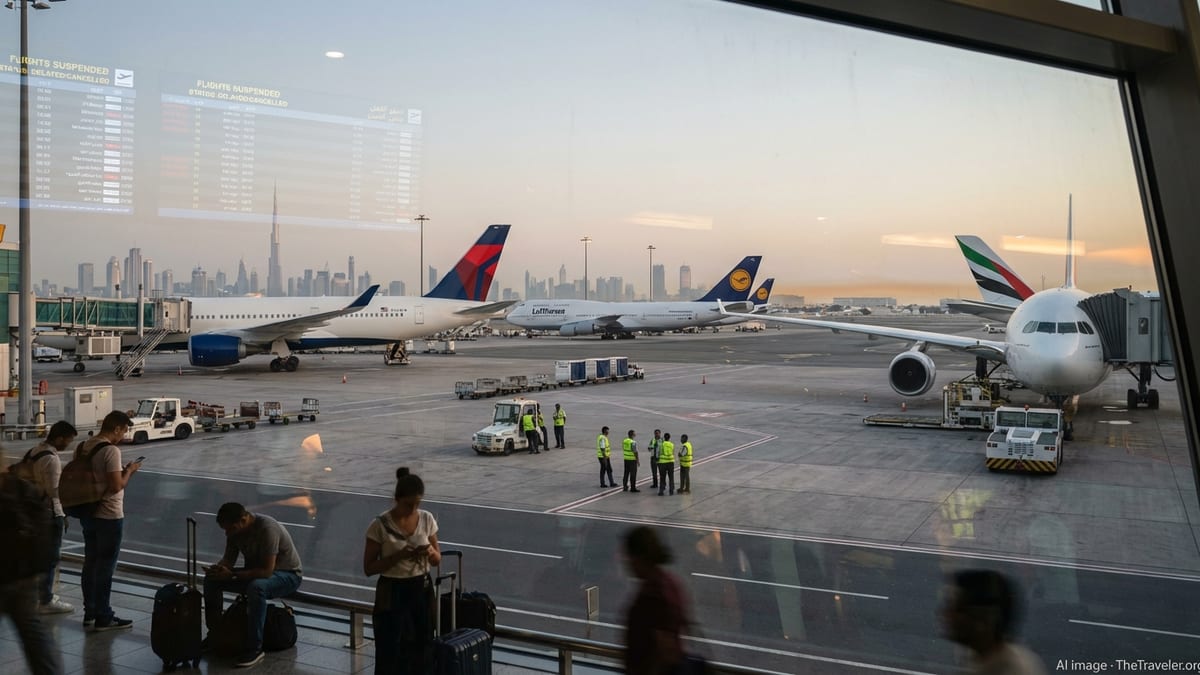
Dozens of Cancellations and Hundreds of Delays Across Key Hubs
Publicly available flight tracking boards and Russian media reports indicate that at least 62 flights operated by Aeroflot, Rossiya Airlines, UTair and Uzbekistan Airways were canceled within a short window, alongside more than 200 delays affecting departures and arrivals. The disruption hit some of Russia’s busiest hubs, including Moscow’s main airports, Saint Petersburg’s Pulkovo Airport and Kazan International Airport, a key regional connector.
The cancellations affected a mix of domestic and international services, with aircraft scheduled to link Moscow and Saint Petersburg to regional cities such as Kazan, Samara and Ufa, as well as routes between Russia and Uzbekistan. Delayed departures often exceeded several hours, resulting in missed connections and unexpected overnight stays for passengers who had been planning straightforward transfers through the country’s largest aviation hubs.
Operational data from airport information boards showed clusters of red “canceled” and “delayed” notices next to flight numbers for Aeroflot and its affiliate Rossiya Airlines on routes between Moscow and Saint Petersburg, as well as for UTair services into and out of Moscow. Uzbekistan Airways flights into regional centers such as Ufa also appeared as significantly delayed, compounding the wider disruption in already crowded terminals.
Although Russia’s aviation authorities and the airlines have not provided a unified explanatory narrative, the pattern of cancellations and delays points to a combination of operational strain, capacity shortfalls and knock-on congestion spreading through the network once the first waves of disruptions occurred.
Travelers Stranded in Kazan, Saint Petersburg and Moscow
The most visible impact of the disruption has been in passenger terminals, where reports from regional outlets and social media platforms show crowded departure halls and long lines at check in and service desks. In Kazan, a critical hub for cross regional travel, travelers reported extended waits as incoming and outbound flights were held or canceled, with some passengers forced to sleep in seating areas while seeking rebooking options.
In Saint Petersburg, Pulkovo Airport experienced a sharp spike in delays on morning and midday departures to cities along the Volga region, including Kazan and Samara. Canceled and rescheduled services affected not only Aeroflot and Rossiya but also other carriers relying on shared infrastructure and slots, leading to a ripple effect in which aircraft and crews were out of position for later flights.
Moscow’s airports, which normally act as pressure valves during regional disruptions by offering alternative connections, instead became choke points. Information boards at Vnukovo, Sheremetyevo and Domodedovo showed tightly packed sequences of delayed flights, many operated by Aeroflot and UTair. Passengers attempting to reach onward destinations in Central Asia, the Caucasus and Russia’s Far North encountered last minute changes, with some flights retimed by several hours and others removed from schedules entirely.
With rail tickets on popular routes from Moscow and Saint Petersburg selling out quickly during periods of aviation disruption, many stranded travelers faced limited overland alternatives, particularly those headed to smaller regional cities with sparse rail or long distance bus connections.
Operational Pressures and a Fragile Aviation Network
The latest wave of cancellations underscores how sensitive Russia’s aviation network has become to operational shocks. Previous episodes in recent months have seen Aeroflot forced to cancel or delay dozens of flights following technical issues with information systems, while other carriers have struggled with weather related disruptions and temporary airspace restrictions around regional airports.
Industry analyses published in Russian and international media have highlighted several structural pressures, including maintenance challenges for Western built aircraft, limited spare parts availability and tight crew scheduling. These factors can quickly turn localized problems into widespread disruptions when several airlines are operating at or near capacity during peak travel periods.
Rossiya Airlines, which operates a large share of domestic services and acts as a key carrier on routes connecting Saint Petersburg with other Russian cities, is particularly exposed when bottlenecks arise at Pulkovo or Moscow’s airports. UTair, heavily involved in serving remote oil and gas producing regions, depends on reliable feeder links from Moscow and regional hubs; when these falter, passengers bound for smaller airports often face the longest waits and the fewest rebooking options.
Uzbekistan Airways, which has expanded regional connections linking Tashkent and other Uzbek cities to Moscow, Saint Petersburg and secondary Russian airports, is vulnerable to disruption at both ends of its routes. When Russian hubs experience cascading delays, crews and aircraft can become stranded away from their scheduled bases, forcing further cancellations and schedule reshuffles.
Regional and International Knock On Effects
The disruption in Kazan, Saint Petersburg and Moscow has implications beyond Russia’s borders, particularly for travelers linking Central Asia with Europe and the Middle East via Russian hubs. With many direct international services already limited, passengers from Uzbekistan and neighboring countries often rely on connecting flights through Moscow or Saint Petersburg to reach onward destinations.
When those connections fail, travelers can lose access to time sensitive itineraries, including visa appointments, business meetings and seasonal work contracts. Travel agents in Central Asia have flagged the risk that repeated disruptions could push more passengers to seek alternatives through hubs in Istanbul, Dubai or Doha where available, though such options may be more expensive or require longer journeys.
Within Russia, the latest wave of cancellations also exposes infrastructure imbalances. A small number of mega hubs handle a disproportionate share of traffic, while many regional airports depend on a limited set of daily flights to Moscow or Saint Petersburg. When those links falter, entire regions can become temporarily isolated from the national air network, with knock on effects for tourism, trade and medical travel.
Local media from regional centers such as Samara and Ufa have repeatedly described scenes of crowded terminals and frustrated travelers during previous episodes of flight chaos, indicating that the current disruption is part of a broader pattern of volatility rather than an isolated incident.
Passenger Rights, Communication Gaps and What Travelers Can Do
The episode has once again drawn attention to the uneven landscape of passenger protections for travelers affected by mass cancellations and delays. While consumer regulations in Russia set out certain obligations for carriers, the practical experience of stranded passengers often depends on how individual airlines interpret and apply those rules in real time.
Reports from previous disruptions suggest that travelers may receive meal vouchers, hotel accommodation or rebooking on the next available flight in some cases, while in others they are offered only partial assistance or told to seek refunds through formal claims processes. Communication gaps at airports, with sparse or conflicting updates on departure boards and limited information from overstretched staff, can further heighten frustration.
Travel industry experts generally recommend that passengers caught in such situations document all communications, keep boarding passes and receipts, and monitor both airport screens and airline channels for the latest schedule changes. In complex hubs like Moscow and Saint Petersburg, travelers may sometimes find faster options by rerouting through alternative cities within Russia or via international hubs outside the country, although these alternatives can be costly and subject to visa and transit restrictions.
For now, the large scale cancellation of 62 flights and the delay of hundreds more serves as a stark reminder of how quickly air travel plans in the region can unravel, and how dependent thousands of travelers remain on a small group of carriers and congested hubs that are increasingly vulnerable to operational shocks.