


More news on this day
Auckland’s central Britomart train station, now officially known as Waitematā Station, was evacuated after a false alarm triggered emergency systems, disrupting peak travel for hundreds of rail commuters.
Get the latest news straight to your inbox!
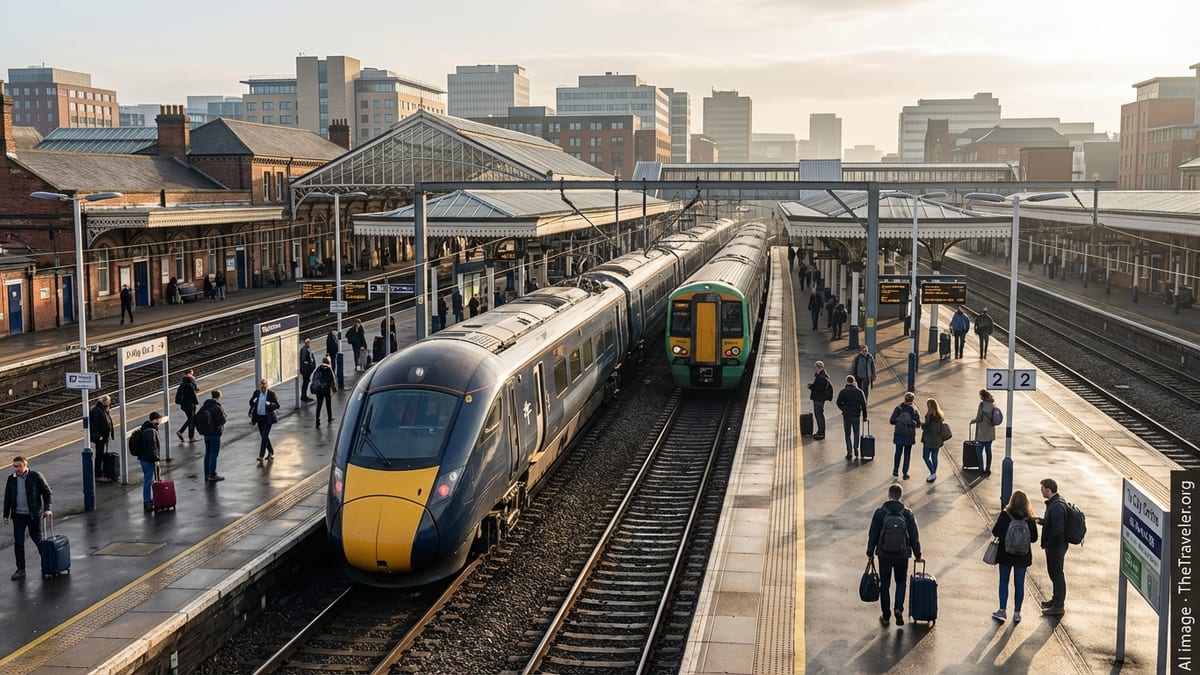
Evacuation Empties Key Downtown Station
Reports from Auckland on 22 July indicate that Britomart, the city’s main downtown rail terminal, was cleared after an internal alarm system activated, prompting staff to usher passengers out of the underground concourse and platforms. The incident left trains waiting outside the approaches while the building was checked, according to local news summaries and commuter accounts.
Publicly available information shows that the alarm was ultimately treated as a false event, with no fire or structural issue identified inside the complex. The station was progressively reopened to rail users once safety checks were completed, restoring limited services before full operations resumed.
Britomart, which sits beneath the Britomart precinct at the foot of Queen Street, is a critical node for Auckland’s electrified rail lines. Any evacuation at this hub quickly ripples across the wider network, affecting passengers traveling from southern, eastern and western suburbs into the central business district.
While no injuries have been reported, social media posts and community forums describe confused scenes as passengers were asked to leave trains, wait on adjacent streets and seek alternative routes through nearby bus stops and taxi ranks.
Impact on Commuters and Network Operations
The evacuation led to short term suspensions and delays on multiple lines converging on Britomart. Train tracking information and rider reports suggest that services were held on the approaches, with some trains terminating early at suburban stations while the situation was assessed.
Passengers on board inbound services described trains pausing in the tunnel before Britomart or at nearby platforms while announcements advised that the city terminus was closed. Replacement options were limited because the incident occurred without advance warning, leaving many commuters to walk from other central stops or wait for services to resume.
For visitors relying on rail to reach central hotels, waterfront attractions or cruise connections, the closure added an unexpected layer of complexity. Many travelers turned to ride hailing, airport buses or local taxis, temporarily increasing pressure on surface transport in the downtown area.
Information channels linked to Auckland’s public transport system highlighted the evacuation and encouraged travelers to allow extra time, though some passengers expressed frustration online at the lag between the initial alarm and clear guidance about when normal operations would return.
Safety Protocols in a High Density Underground Hub
Britomart was designed as an underground station with constrained access points, where rapid evacuation is treated as a core safety requirement. Publicly available planning and safety documents for the Auckland rail network emphasize that alarms in confined underground spaces are treated conservatively, with any signal of potential fire or smoke triggering full clearance of platforms and concourses.
Emergency messaging within the station instructs passengers to leave via the nearest exit when an alarm sounds, and previous incidents at the hub have followed the same pattern. Recent public discussions about City Rail Link testing have also drawn attention to evacuation drills and emergency scenarios being run through the new and refurbished central stations.
Although events like the latest false alarm can be disruptive, transport experts and safety researchers generally note that rapid, automatic evacuation responses are intended to prevent far more serious outcomes in the rare event of an actual fire or tunnel emergency. The Britomart site, now integrated into the emerging City Rail Link network, remains a focal point for these safety considerations.
Observers point out that as Auckland’s rail patronage grows with the opening of new underground links, ensuring that passengers are familiar with emergency instructions at central stations will remain an ongoing priority.
Context: A Station at the Heart of Auckland’s Revamped Rail System
Britomart, officially renamed Waitematā Railway Station in 2023, anchors the northern end of Auckland’s urban rail network and is central to the City Rail Link project that will turn today’s terminus into a through station. Background material from transport agencies notes that the revamped layout will eventually allow trains to run directly through the city center to new underground stops, reshaping how commuters reach key districts.
The station sits directly beneath one of Auckland’s busiest mixed use precincts, combining offices, retail, dining and waterfront access. Travel guides and regional tourism agencies routinely highlight Britomart as the primary gateway for visitors arriving in the central city by rail from the airport connection at Puhinui or from regional suburbs.
In recent years, the site has also been a staging point for major events, marches and festivals converging on the waterfront. This role increases the importance of clear contingency planning when closures or evacuations occur, whether for scheduled engineering works, timetable testing or sudden alarms like the one that led to the latest temporary shutdown.
The most recent evacuation underscores how operational incidents at Britomart can reverberate through central Auckland, affecting everyone from daily commuters and students to tourists and event attendees relying on predictable rail access to the downtown area.
What Travelers Should Expect After the Incident
Following the false alarm, rail services into and out of Britomart have resumed, with standard timetables expected to operate while any internal review of the alarm is carried out. Publicly available updates encourage passengers to monitor real time service information on travel apps and station boards, particularly during the days immediately after the incident.
Visitors arriving in Auckland in the coming days should anticipate normal access to the city center by train via Britomart, but travel planners recommend allowing additional buffer time when connecting to events, flights or cruise departures, in case of residual delays or ongoing testing of station systems.
The evacuation serves as a reminder that central city travel can be affected at short notice by safety procedures, especially in complex underground stations. Travelers who are unfamiliar with central Auckland are advised, in published guidance, to familiarize themselves with nearby alternative options such as The Strand Station, key bus interchanges and the pedestrian links connecting the waterfront with midtown streets.
For now, Britomart’s brief closure has given commuters a renewed glimpse of how dependent Auckland’s growing rail network is on the smooth functioning of a single central hub, even as the city moves toward a more distributed, loop based system under the City Rail Link project.