


More news on this day
U.S. travelers frustrated by flight delays and cancellations are being urged to watch an October 2, 2026 effective date tied to federal passenger-protection updates, even as broader compensation mandates remain unsettled and uneven across countries.
Get the latest news straight to your inbox!
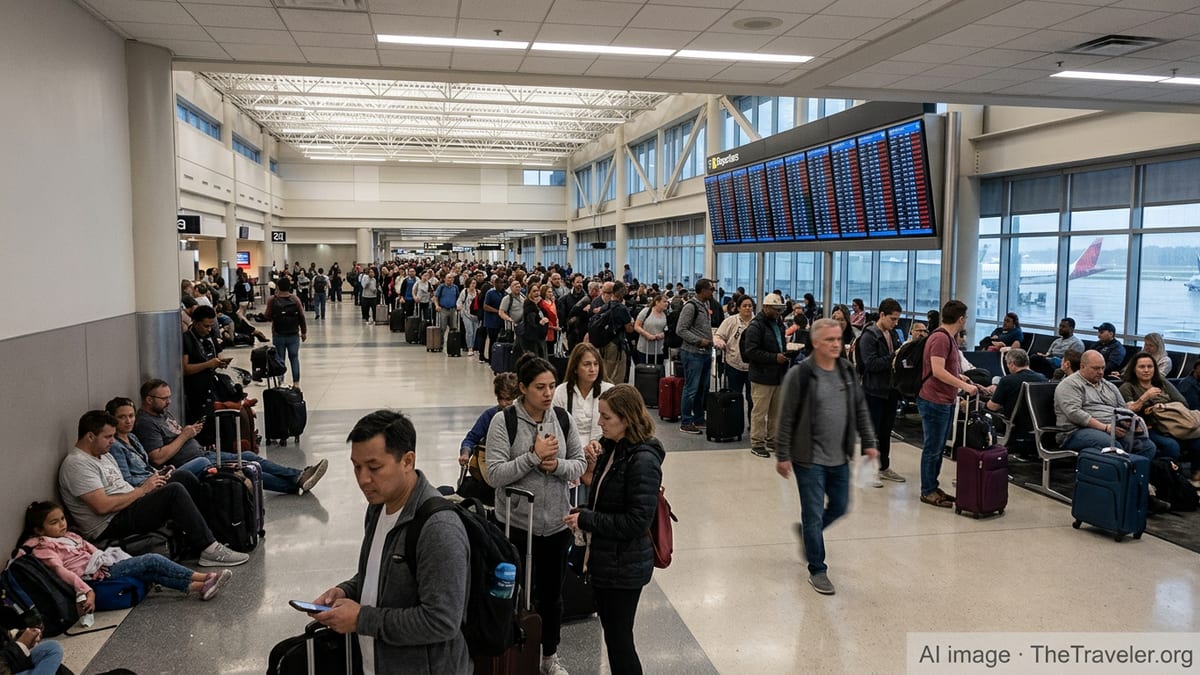
What is changing in October, and what is not
A federal rule scheduled to take effect on October 2, 2026 is associated with updated airline obligations affecting air travelers with disabilities, including provisions connected to training and how carriers handle wheelchair-related accommodations and service. Published coverage and publicly available rule materials show the effective date is October 2, 2026, and it has been widely circulated in airline compliance planning calendars.
That October effective date is not, by itself, a new U.S. system requiring automatic cash compensation for every delayed or canceled flight. In the United States, there is still no across-the-board federal requirement that airlines pay passengers for delays or cancellations the way some other jurisdictions do. Instead, outcomes often turn on whether a traveler seeks a refund, accepts rebooking, or relies on benefits an airline has voluntarily committed to provide.
The distinction matters because many headlines about “compensation” blur together multiple policy tracks: refund rules, customer service commitments, and proposed compensation mandates. Travelers can see real differences in what they are legally entitled to versus what an airline may offer as a customer-service promise.
DOT’s bigger compensation idea was pulled back, leaving a patchwork
For travelers hoping for a clear, mandatory compensation framework for airline-caused disruptions, the most direct federal effort in that direction has been uneven. The Department of Transportation previously launched an “Airline Passenger Rights” rulemaking effort focused on airline-caused disruptions, exploring requirements such as cash compensation, free rebooking, and coverage of meals, hotels, and related transportation when the cause was within the airline’s control.
Publicly available Federal Register materials indicate that DOT later withdrew the advance notice of proposed rulemaking tied to that effort, meaning the agency stepped away from that particular approach rather than finalizing it into enforceable compensation requirements for delays and cancellations.
In practical terms, the withdrawal keeps the U.S. landscape closer to what it has been: strong refund rights in certain circumstances, strict rules for denied boarding on oversold flights, and a reliance on airline-by-airline commitments for many types of “care” during controllable delays and cancellations. That is where the October 2026 timing can confuse travelers: it is a real effective date for a separate set of obligations, but it does not automatically translate into new delay compensation checks.
Refund rights are clearer than delay compensation, but travelers must act
DOT’s consumer guidance continues to emphasize refunds when a flight is canceled or significantly changed and a passenger chooses not to travel. Publicly available DOT information also highlights that airlines often offer alternative transportation, but that rebooking is generally not mandated by DOT in the same way refunds are, and passengers who accept an alternative flight may not be entitled to a refund.
One detail that can affect how travelers plan: DOT guidance notes timing expectations for returning money to the original form of payment after a significantly delayed or changed flight or an alternative flight departs, depending on whether the payment was by credit card or another method. That can influence whether a traveler prefers rebooking right away or a refund to buy a new ticket.
Separately, DOT’s “Fly Rights” materials underline that compensation is required by law in a narrower situation: involuntary denied boarding due to oversales on domestic trips. For delays and cancellations, travelers are commonly directed to ask what the airline will provide for meals and hotels, and to review the carrier’s own customer service plan commitments.
Dashboards, customer service promises, and how to use them on disruption day
DOT’s Airline Cancellation and Delay Dashboard has become a key reference point for what large U.S. airlines publicly commit to provide during controllable disruptions, such as meal vouchers, hotel accommodations for overnight delays, or ground transportation to and from a hotel. The dashboard approach does not create a new legal entitlement to those items across the board, but it provides a way to compare carrier promises and for DOT to hold airlines to their published commitments.
For travelers dealing with a long delay or a last-minute cancellation, the most practical use of the dashboard-style information is to frame a specific request at the airport or through customer service channels. Because the benefits are tied to whether the disruption is within the airline’s control, a traveler may also need to document the scenario (screenshots of delay notices, written communications, and receipts) in case the airline offers reimbursement rather than immediate vouchers.
When a traveler decides not to fly, the refund pathway is usually cleaner than trying to negotiate “compensation” for time lost. When a traveler must continue the trip, rebooking options and any promised lodging or meals can matter more than a refund, especially during systemwide disruptions where replacement flights are scarce.
Why travelers should also know the EU and Canada rules when itineraries cross borders
International itineraries can change the compensation picture dramatically. In the European Union, publicly available EU materials show a continued baseline framework that allows compensation for cancellations and for delays of three hours or more, with set euro amounts based on flight distance. Published coverage in mid-2026 also points to a political agreement to revise and clarify aspects of the system, including procedures, extraordinary circumstances, and better information for passengers during claims.
In Canada, the Air Passenger Protection Regulations provide a separate structure with standards of treatment and, in some situations, fixed compensation amounts for delays and cancellations, as well as refund or rebooking rights depending on the circumstances. Canadian public information also emphasizes that compensation for inconvenience under the Canadian regime generally is not stacked on top of compensation for the same delay under other jurisdictions’ rules.
The takeaway for U.S. travelers is that “October rules” may matter in specific regulatory areas, but compensation expectations still depend heavily on where the trip departs, where it arrives, which carrier operates the flight, and whether the issue is considered within the airline’s control. For travelers looking to maximize what they can recover, the most reliable strategy remains: know whether you want a refund or rebooking, understand the airline’s published commitments, and keep receipts and written records when disruptions occur.