


More news on this day
The U.S. State Department has renewed its warning for Americans traveling in or to the Middle East, pointing to heightened security risks and the possibility of sudden travel disruptions, including flight cancellations and temporary airspace closures.
Get the latest news straight to your inbox!
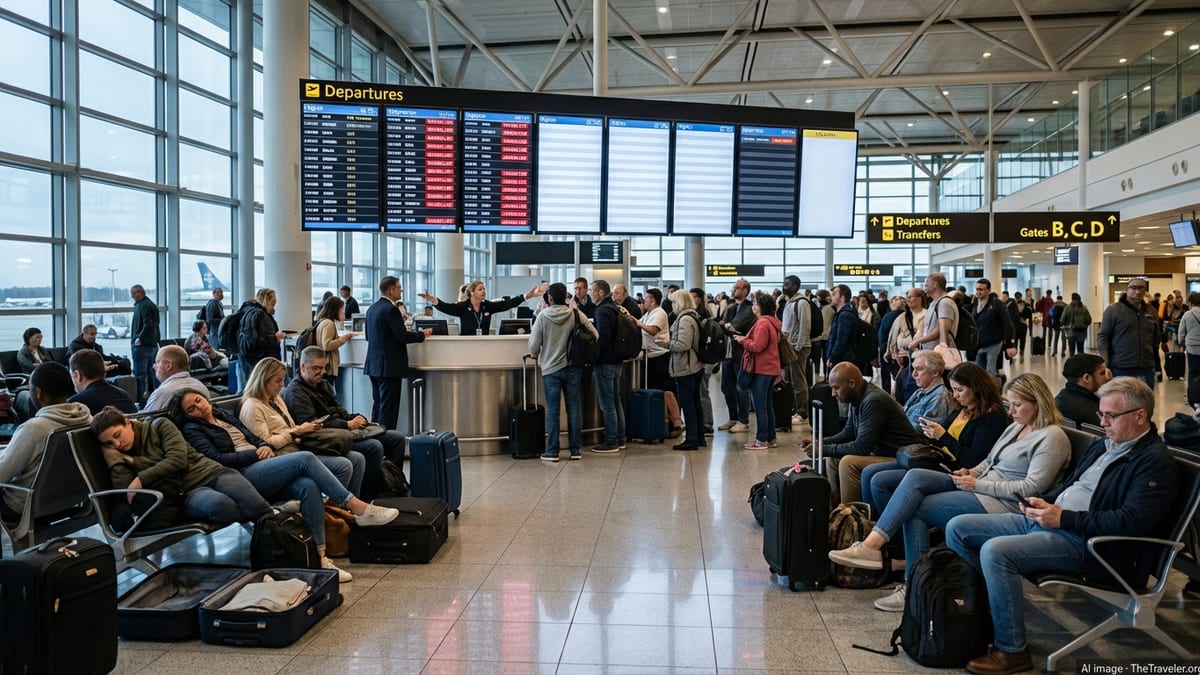
What the latest State Department warning says
The State Department’s most recent “Worldwide Caution,” dated July 22, 2026, advises Americans around the world to exercise increased caution and highlights the Middle East as an area where travelers should maintain heightened vigilance. The notice emphasizes that conditions can change quickly and that disruptions to commercial travel can occur with little notice.
Alongside the global caution, the department continues to direct U.S. travelers in the region to monitor location-specific updates from the nearest U.S. embassy or consulate. Publicly available guidance also urges Americans to be prepared for itinerary changes, including periodic airspace closures that can ripple across the region’s major connecting hubs.
For travelers, the practical message is twofold: first, check the Travel Advisory level for each specific destination rather than relying on general regional headlines; and second, plan for contingencies that may include delayed departures, rerouted flights, or limited availability of last-minute tickets during spikes in demand.
Which destinations are flagged most sharply right now
State Department Travel Advisories continue to vary significantly across the Middle East, with several destinations carrying the agency’s highest warning level. Countries including Iraq, Lebanon, Syria, and Yemen are listed at Level 4, “Do Not Travel,” reflecting risk factors that include armed conflict, terrorism, and kidnapping or hostage taking, depending on the destination and advisory.
Other locations commonly used as transit points or bases for regional travel are currently designated Level 3, “Reconsider Travel,” in the State Department’s advisory system. Recent updates show Level 3 advisories for Israel, the West Bank and Gaza, as well as several Gulf states, underscoring that even routine trips can be affected by regional spillover risks and rapidly evolving security conditions.
Travelers should also note that advisories can include operational limits on U.S. government assistance. Some country pages explicitly describe restrictions on how U.S. government personnel move and operate locally, which can signal that on-the-ground support may be constrained if a traveler needs emergency help.
Flight and airspace disruptions are a key travel risk
Beyond ground security concerns, aviation disruption is one of the most immediate travel impacts highlighted in State Department and related U.S. government guidance. The Worldwide Caution notes that Americans should be prepared for flight cancellations, periodic airspace closures, and broader travel interruptions in the Middle East.
Separately, Federal Aviation Administration materials outline airspace risk considerations tied to the region, including longstanding restrictions and advisories connected to conflict-affected flight information regions. That matters to travelers even when they are not flying to a restricted destination directly, because major routings between North America, Europe, and Asia can be altered when airlines avoid certain corridors.
For passengers, the most useful step is to check their carrier’s most current routing and rebooking policies before departure, then recheck again closer to travel day. If a trip depends on tight connections through regional hubs, travelers may want to build in extra buffer time and consider whether their fare class permits flexible changes if schedules shift.
Steps Americans can take before departure
The State Department continues to promote enrollment in its Smart Traveler Enrollment Program (STEP), which allows U.S. citizens traveling or living abroad to receive email updates from the nearest U.S. embassy or consulate and helps consular teams reach travelers during a crisis. STEP enrollment typically takes only a few minutes, but it is most helpful when trip details are entered accurately, including city-level locations and date ranges.
Travelers can also prepare for the possibility that communications or transportation may be disrupted. That can mean carrying backup power for phones, keeping printed copies of key documents, and ensuring family members at home know the itinerary and how to reach the traveler if connectivity is limited.
For those who need assistance, the State Department’s public guidance lists contact options through Overseas Citizen Services, including 1-888-407-4747 from the U.S. and Canada and +1-202-501-4444 from overseas. Travelers may also be directed to contact the nearest U.S. embassy or consulate for the most location-specific instructions if conditions change quickly.
What this means for fall 2026 trips and travel planning
The timing of the latest advisories is significant for Americans planning late-summer and fall travel, when demand typically rises for family visits, academic programs, and long-haul itineraries that use Middle East hubs for connections. The State Department’s recent destination updates through late August and mid-September 2026 indicate that the agency is continuing to reassess risks and revise destination pages as conditions evolve.
For travelers who have not booked yet, the most straightforward approach is to review the advisory level for each country on the itinerary and decide whether the trip is essential. If travel is still necessary, it can be worth prioritizing routings with fewer connection points and selecting tickets that allow changes without severe penalties if schedules are disrupted.
For travelers already in the region, the current guidance emphasizes staying aware of local developments and being ready to adjust plans. Even when airports remain open, sudden operational changes can affect departures and arrivals, and publicly available U.S. government guidance suggests travelers should plan for interruptions that may occur with little warning.