


More news on this day
Passengers traveling through Southwest Florida International Airport in Fort Myers encountered a wave of schedule disruptions as six flights were canceled and 24 delayed across several major U.S. airlines, affecting connections to major hubs including Philadelphia, Atlanta, Dallas, Houston, Chicago, Nashville and Detroit.
Get the latest news straight to your inbox!
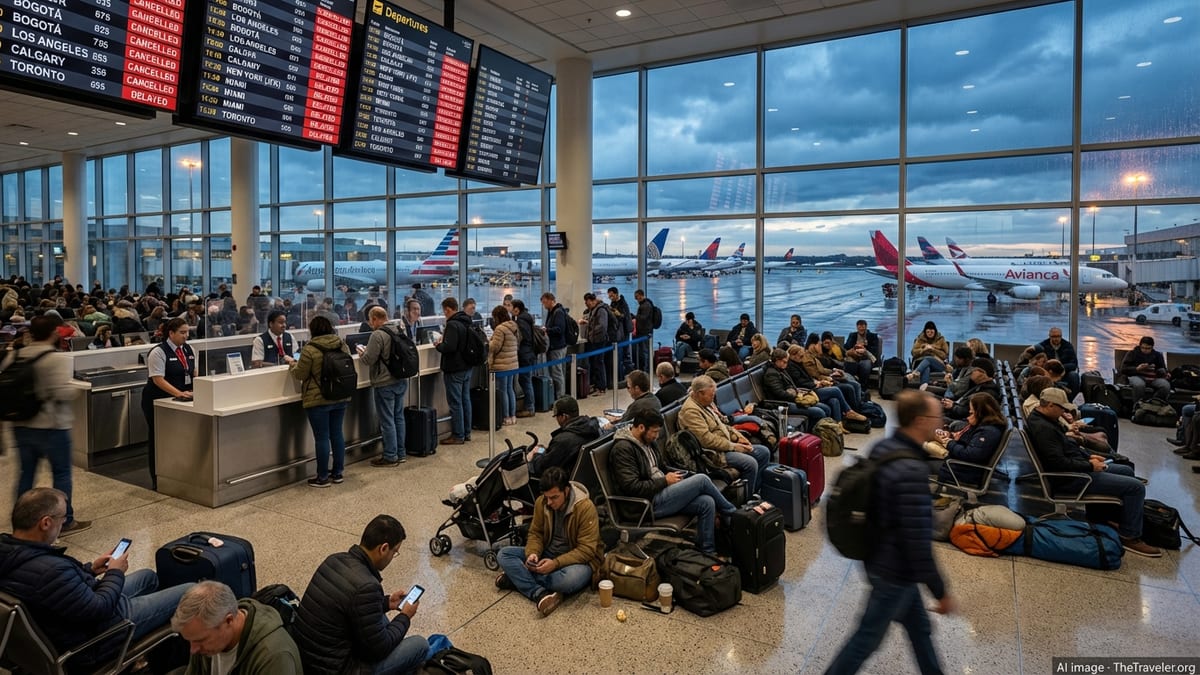
Major Carriers See Cancellations and Rolling Delays
Publicly available flight tracking data for Southwest Florida International Airport shows that American Airlines, Delta Air Lines and Frontier Airlines each experienced schedule disruptions, with a combined total of six cancellations and two dozen delays. The affected services included both early morning and afternoon departures, creating a ripple effect for travelers attempting to reach connecting flights at large hub airports.
Reports indicate that the cancellations primarily involved departures to major connection cities, while delays were spread across both inbound and outbound flights. Passengers heading to and from Fort Myers faced extended time at the gate, holding patterns on the tarmac and rebooked itineraries as airlines attempted to absorb the disruption into their networks.
The pattern of disruption at the airport mirrored broader strains across parts of the U.S. air travel system, where scattered weather, tight aircraft utilization and crew scheduling constraints can quickly translate into localized bottlenecks. For Southwest Florida, the impact was concentrated into a relatively short window, but enough to complicate travel plans for dozens of flights and hundreds of passengers.
Published coverage and live airport boards suggest that while the overall volume of operations at the airport remained intact, the proportion of disrupted flights was significant enough to stand out to travelers, particularly those on tighter schedules or flying through smaller hubs with fewer backup options.
Key Routes to Major Hubs Affected
The disruptions hit several of the airport’s most important mainland connections, affecting services to Philadelphia, Atlanta, Dallas, Houston, Chicago, Nashville and Detroit. These cities serve as critical hubs and focus destinations for multiple carriers, meaning even small numbers of cancellations can have an outsized effect on passengers relying on onward connections.
Flight boards showed interruptions on routes linking Fort Myers to Atlanta and Dallas, both of which function as gateway airports for extensive domestic and international networks. Travelers with planned onward itineraries faced missed connections, schedule changes and in some cases overnight stays when alternative same day options were not available.
Services to northern markets including Chicago, Detroit and Philadelphia were also affected, inconveniencing both leisure travelers returning from Florida and business passengers routing through these cities. Delays on these routes can be particularly sensitive during busy periods, as they coincide with peak departure banks at large hub airports.
For regional destinations such as Nashville, schedule shifts were less about volume and more about limited alternatives. When one or two flights on thinner routes are delayed or canceled, travelers often have fewer same day rebooking options, which increases the risk of extended disruptions or rerouting through completely different hubs.
Operational Pressures Behind the Disruptions
According to publicly accessible aviation data and industry commentary, clusters of cancellations and delays at a single airport often stem from a combination of factors rather than a single clear cause. Typical drivers include thunderstorms affecting airspace along key corridors, air traffic control programs that slow the rate of departures and arrivals, and airline specific issues such as crew duty time limits or aircraft rotations.
In the case of Southwest Florida International Airport, the mixed pattern of late departures and canceled segments suggests that carriers were balancing on the edge of schedule resilience. Once an initial set of flights was pushed outside its planned operating window, airlines appeared to prioritize certain routes and consolidate capacity, which can lead to selective cancellations to reset aircraft and crews.
The airport’s role as a leisure heavy gateway can also influence how disruptions play out. During peak seasons and busy weekends, fuller flights leave less room to re accommodate passengers, so even a modest number of cancellations can quickly fill later services. This dynamic is particularly visible on routes into major hubs that already operate near capacity in peak travel periods.
Published reporting on broader U.S. aviation conditions has noted that airlines continue to navigate tight staffing conditions in some operational roles and ongoing supply chain challenges that affect maintenance schedules. These background pressures can amplify the impact of weather or air traffic limitations when they arise.
What Disruptions Mean for Travelers Moving Forward
For passengers using Southwest Florida International Airport as a departure or arrival point, the latest disruptions underline the importance of monitoring flight status closely on the day of travel. Public dashboards and airline communication channels typically provide real time updates on gate changes and schedule shifts, which can be critical in a fast changing operational environment.
Travel planning guidance from consumer advocates consistently suggests allowing extra connection time when routing through busy hubs like Atlanta, Chicago or Dallas, particularly during seasons when pop up storms are more common. Longer layovers can provide a buffer if initial departures are delayed, reducing the risk of missed connections and overnight interruptions.
The pattern of six cancellations and 24 delays also reinforces the value of flexible booking options that allow same day changes without substantial penalties. For travelers headed to events, cruises or international departures, choosing itineraries with multiple daily frequencies to key hubs can provide alternative paths if a specific flight is disrupted.
While the overall flight schedule at Southwest Florida International Airport continues to function, the concentration of cancellations and delays across several major carriers serves as a reminder that even on ordinary days, the U.S. air travel system can experience localized stress points that quickly translate into real world complications for travelers.
Airport and Airline Responses Emphasize Monitoring and Preparedness
Airport information channels and airline customer updates in similar disruption events typically encourage travelers to arrive early, verify their flight status repeatedly and remain prepared for schedule changes. Travelers are often advised to complete check in and baggage drop as soon as windows open, especially when there are signs of weather or operational challenges in other parts of the country.
For those already affected by cancellations at Southwest Florida International Airport, rebooking options generally depend on seat availability on later flights to the same destinations or on alternate routings through different hubs. Same carrier rebooking is usually prioritized, but during more pronounced disruptions, passengers may see offers to route through secondary hubs or travel at different times of day.
Travelers connecting through the impacted hubs of Philadelphia, Atlanta, Dallas, Houston, Chicago, Nashville and Detroit are likely to feel lingering effects as the airline networks work through backlogs created by the initial disruptions. Knock on delays can persist into subsequent days if aircraft and crews remain out of position.
For future trips, publicly available guidance from aviation and consumer travel resources points to several practical steps, including booking earlier in the day when possible, keeping essential items in carry on bags in case of unexpected overnight stays, and maintaining digital access to boarding passes and notifications so that last minute changes can be managed more efficiently at the airport.