


More news on this day
A Viking river cruise ship carrying nearly 200 passengers ran aground on the Danube River near Vidin, on the Bulgaria–Romania stretch of the waterway, after hitting a shallow section amid exceptionally low summer water levels that are disrupting river traffic across Central and Eastern Europe.
Get the latest news straight to your inbox!
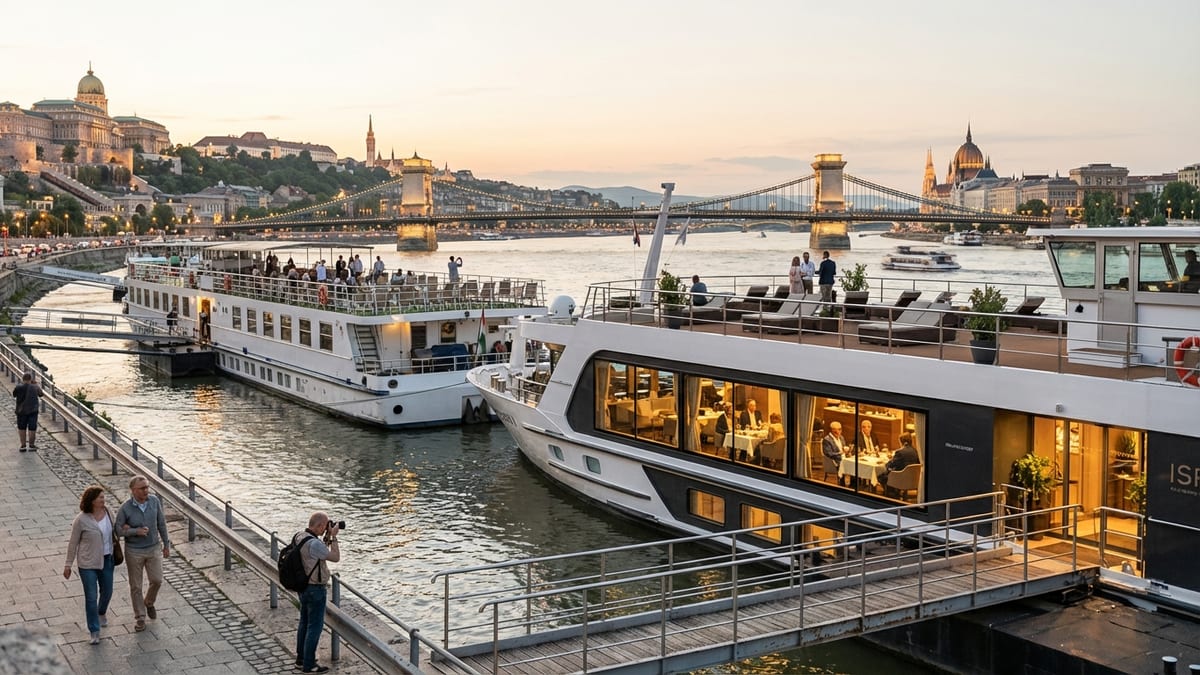
Ship stranded near Vidin as passengers evacuated
According to reports from Bulgarian and regional news agencies, the Viking Ullur, sailing under a Swiss flag, became stranded in the early hours of July 28 on a shallow shoal along the Danube close to the port city of Vidin. Initial accounts describe limited visibility overnight combined with unusually low river levels on that sector of the river.
Publicly available information indicates that around 180 to 190 passengers were on board, along with dozens of crew members, when the grounding occurred. Bulgarian border police and emergency teams were dispatched to the area and coordinated the transfer of tourists from the vessel to shore by smaller craft.
National outlets in Bulgaria report that passengers were taken off the ship over several hours as responders assessed the stability of the vessel and the navigability of the surrounding channel. No serious injuries have been reported, and photos released by authorities show the river cruiser sitting visibly high in the water, underscoring the extent of the low levels.
Coverage from local media also notes that the ship had been due to take on provisions downstream but could not reach its scheduled port call once it was stuck, prompting concerns about supplies on board and reinforcing the decision to remove travelers from the vessel.
Exceptionally low Danube levels disrupt river cruising
The incident comes as long stretches of the Danube experience some of the lowest water levels recorded in recent years, following weeks of high temperatures and limited rainfall in Central and Southeastern Europe. Regional and international coverage describes cargo barges running at reduced loads or suspending operations altogether on certain sectors of the river.
Near Budapest, data cited in European media indicate that the Danube has fallen close to historic low-level marks, forcing river cruise companies to adjust or cancel itineraries. Reports from passenger forums and specialist cruise publications describe last-minute ship swaps, bus transfers between ports and truncated routes as operators attempt to keep tours running.
Industry-focused analyses note that these disruptions are affecting several major brands beyond Viking, including other well-known river cruise operators on the Danube and Rhine. Some companies have announced modified schedules, reduced frequencies or temporary suspensions on the most affected sections, particularly between Germany and Hungary and along the lower Danube.
Travelers have been sharing accounts online of being moved between vessels mid-journey, or being transported by coach over long stretches where the river is no longer safely navigable. These accounts align with warnings from river authorities that continued dry conditions could further constrain traffic if significant rainfall does not arrive in the coming weeks.
Viking’s Danube programs face mounting operational strain
Viking, one of the largest river cruise operators in Europe, offers multiple Danube itineraries linking cities such as Regensburg, Vienna, Budapest and ports further downstream. Company marketing material emphasizes scenic stretches of the river and frequent port calls, but low-water seasons can significantly alter these experiences.
Recent traveler reviews and discussion posts suggest that some Viking Danube sailings in July have already been impacted by shallow sections, with certain departures forced to embark or disembark passengers away from the advertised ports. In some instances, guests describe being bussed between distant piers where ships can still safely navigate.
The grounding of Viking Ullur adds to the operational pressure, as repositioning vessels, rebooking passengers and coordinating alternative transport all increase logistical complexity. While river cruise lines typically maintain contingency plans for fluctuating water levels, extended periods of drought can stretch these arrangements and lead to more frequent itinerary changes.
Publicly available policy information from river cruise operators indicates that when low water disrupts navigation, companies may transfer guests to sister ships on navigable segments or provide land-based accommodation and touring in place of scheduled sailing days. The growing number of incidents along the Danube in mid-2026 is putting those policies to the test.
Climate-linked volatility reshaping river travel expectations
Hydrologists and climate researchers cited in recent European coverage have drawn connections between recurring summer droughts and broader climate trends affecting Central Europe. The Danube, which flows through or borders ten countries, has faced a series of low-water episodes in recent years, disrupting both tourism and freight transport.
Maritime and trade observers note that shallower channels force cargo barges to carry lighter loads, increasing costs and reducing the competitiveness of river transport compared with road and rail. For the tourism sector, these conditions translate into heightened uncertainty for operators and travelers alike during peak cruising months.
River cruise specialists point out that while high water from upstream flooding has long been a known risk, extended low-water periods are becoming more prominent in risk assessments and itinerary planning. Companies are increasingly advising guests that sailings may be subject to last-minute modifications, including partial journeys by coach or hotel stays in place of certain river segments.
For destinations along the Danube, from Austrian and Hungarian cities to smaller Bulgarian and Romanian ports, such volatility carries economic implications. Local businesses that rely on consistent cruise traffic, including guides, restaurants and excursion providers, can experience abrupt drops in visitor numbers when ships are unable to dock as planned.
What travelers booked on Danube cruises should know
Travel industry advisories and consumer travel columns are encouraging passengers with upcoming Danube departures to monitor company updates closely and to review booking terms related to river conditions. Many lines highlight that navigation is subject to natural factors and that itineraries are not guaranteed when water levels fall outside safe operating ranges.
Travel experts recommend that prospective guests factor in the possibility of altered routes, extended coach transfers or even partial cancellations when planning river vacations during hotter and drier summers. Flexible expectations, comprehensive travel insurance and close coordination with tour operators are being emphasized as practical responses to increasingly changeable conditions.
Reports from recent travelers on the Danube suggest that, despite disruptions, many are still able to experience key cultural stops and guided excursions, albeit sometimes in a different sequence or via overland routes. However, those primarily seeking continuous scenic cruising may find the impact of low water more noticeable.
As the Viking Ullur awaits refloating and inspection near Vidin, navigation authorities and cruise operators along the Danube continue to track water level forecasts heading into August. The outcome will shape how river cruise lines adjust late-summer schedules and how travelers experience one of Europe’s most popular inland waterways this season.