


More news on this day
Dozens of flight delays and cancellations at Louis Armstrong New Orleans International Airport on May 19 are creating knock-on disruption across major hubs including Dallas, Atlanta, Houston and Chicago, affecting travelers booked on American Airlines, Delta Air Lines, Southwest Airlines and United Airlines.
Get the latest news straight to your inbox!
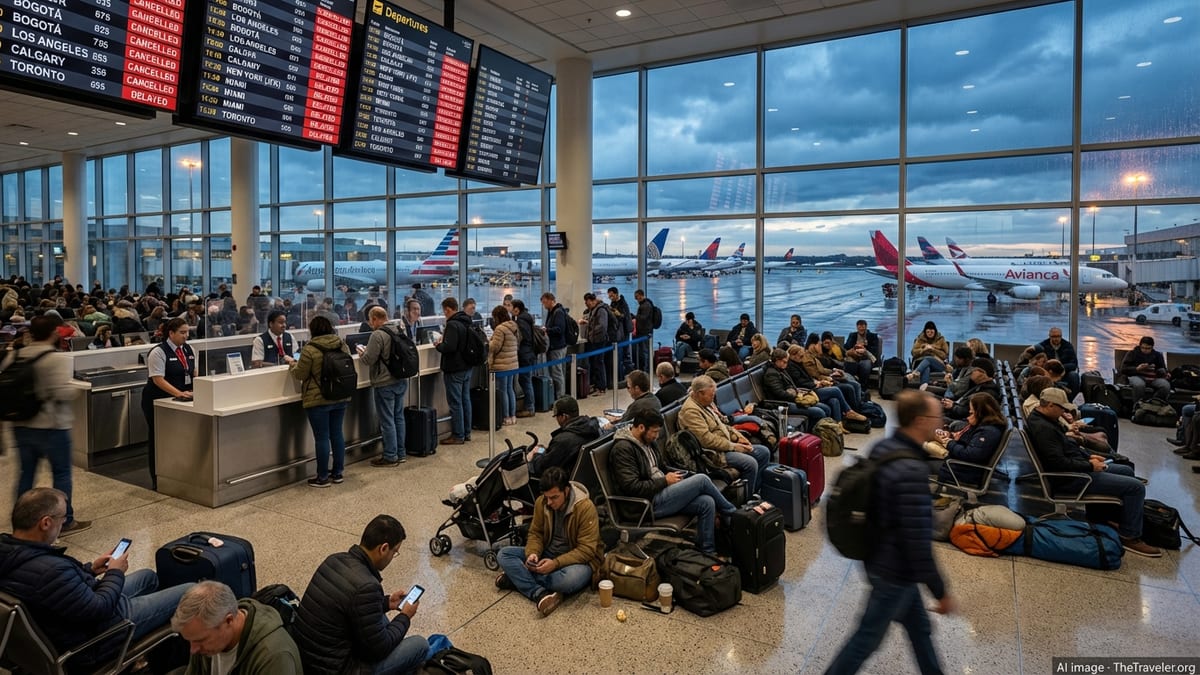
New Orleans Departures Snagged as Operations Slow
Publicly available tracking data for May 19 indicates that Louis Armstrong New Orleans International Airport recorded 44 delayed flights and 11 cancellations across its schedule, concentrating disruption into key morning and early afternoon departure banks. While the majority of services continued to operate, the volume of affected flights has been sufficient to upend connection plans for many passengers using the airport as a gateway to larger hubs.
Major domestic routes to Atlanta, Houston, Dallas and Chicago feature prominently in New Orleans’ schedule, and delays on those spokes tend to reverberate through the wider network throughout the day. Data from aviation analytics platforms shows several services between New Orleans and these cities operating behind schedule or being withdrawn entirely, with knock-on impacts for aircraft and crews scheduled to continue to other destinations.
Louis Armstrong New Orleans International Airport serves as an important spoke for all four large U.S. carriers named in the disruption, feeding passengers into their respective hub airports. Even a relatively modest cluster of delays can therefore cascade into missed connections and rebookings for travelers bound for cities far from the Gulf Coast.
Federal aviation updates for May 19 did not point to a single overarching ground stop or nationwide operational order specific to New Orleans, suggesting that delays are being driven by a mix of local weather, crew and aircraft availability, and congestion within the broader domestic system.
Major U.S. Carriers Face Knock-On Effects
The latest schedules show American Airlines, Delta Air Lines, Southwest Airlines and United Airlines all operating in and out of New Orleans on May 19, with their flights among those delayed or canceled. Each of these carriers relies on New Orleans to funnel passengers into one or more major hubs, including Dallas Fort Worth for American, Atlanta for Delta, Houston for United and multiple focus cities for Southwest.
Tracking services indicate that certain departures from New Orleans to Atlanta and Houston have been affected, with ripple effects for onward flights to the Midwest and East Coast. When an aircraft arrives late into a hub such as Hartsfield Jackson Atlanta International Airport or George Bush Intercontinental Airport, subsequent departures using the same aircraft typically push back behind schedule, affecting travelers who may never pass through New Orleans itself.
Southwest, which maintains a significant presence at Louis Armstrong New Orleans International Airport, has reported a mixture of on time and delayed operations on flights linking the city with Atlanta and other southeastern destinations. United and American, which primarily route New Orleans passengers through Houston and Dallas respectively, have also seen select departures arrive later than scheduled.
Delta’s operations into and out of Atlanta, one of New Orleans’ busiest corridors, have shown signs of strain across parts of the schedule, with some services operating later than planned. As aircraft cycle between New Orleans, Atlanta, Detroit and other cities, even minor timing disruptions in one leg of the journey can interfere with tight connection windows for passengers.
Hubs From Dallas to Chicago Feel the Strain
The disruption at New Orleans is being felt most acutely at the hub airports that receive large numbers of passengers from the Gulf Coast. With Dallas, Atlanta, Houston and Chicago among the busiest connection points in the country, any irregular operations on inbound New Orleans flights can have an outsized impact on travelers using these hubs as stepping stones to other regions.
Dallas Fort Worth International Airport remains a central node for American Airlines, and delays on flights to and from New Orleans can complicate same day domestic connections toward the Mountain West, West Coast and Midwest. Travelers attempting to make relatively short layovers may find themselves rescheduled onto later services when inbound aircraft depart New Orleans behind schedule.
In Atlanta, a similar pattern emerges for Delta Air Lines customers, particularly those heading to secondary markets that are served only a few times per day. A missed connection from New Orleans can translate into multi hour waits, rebookings via alternate hubs, or in some cases an unplanned overnight stay when later flights are already heavily booked.
Houston and Chicago also feature in the network disruptions. Houston, a key United Airlines hub, relies on regular feeder service from New Orleans to support both domestic and international departures. Chicago, served from New Orleans by multiple carriers, can see banked departure waves affected when inbound aircraft are delayed or swapped as airlines attempt to rebuild their schedules.
Travelers Confront Long Lines and Changing Itineraries
For passengers, the immediate impact of 44 delays and 11 cancellations is felt in longer lines at check in counters and customer service desks, as well as busier gate areas and security queues. With several carriers adjusting their operations at the same time, available seating on alternate flights quickly becomes scarce, particularly during peak travel hours.
Travel forums and social media posts monitored on May 19 reference travelers in New Orleans facing extended waits for updated departure times, as well as individuals connecting through cities such as Dallas and Atlanta who report missed onward flights. While many are eventually rebooked, the resulting arrival times often shift by several hours, disrupting plans for business meetings, family gatherings and leisure activities.
Publicly accessible airline policies indicate that rebooking options and compensation vary by carrier and by the specific cause of the disruption. Weather related delays tend to offer fewer entitlements than disruptions linked to mechanical or crew issues, meaning that passengers on the same route can have very different experiences depending on which airline they are flying and the reason provided for the delay.
Airport information channels encourage travelers to monitor their flights closely on carrier apps and websites, arrive early for departures, and consider packing essential items in carry on luggage in case checked bags are temporarily separated from disrupted itineraries. For those connecting through multiple hubs on a single day, building in longer layovers can provide a buffer against cascading delays.
Broader Context for New Orleans Air Travel
The latest passenger statistics published by Louis Armstrong New Orleans International Airport show that domestic traffic remains the backbone of operations, with Atlanta, Houston, Dallas and Chicago among the most heavily used routes. That concentration of service to a handful of large hubs can amplify the impact of even moderate operational disruptions, as a small number of delayed flights affects a large share of connecting passengers.
Recent airport data also indicates that New Orleans continues to rebuild and reshape its route network, with the four large U.S. carriers maintaining a significant presence alongside low cost and international airlines. In such an interconnected environment, irregular operations rarely remain confined to a single city, instead propagating along aircraft rotations and crew schedules throughout the day.
Industry analysts note that the U.S. domestic system has become more sensitive to localized disruptions as airlines run tighter schedules and operate with less spare capacity in aircraft and staffing. When delays and cancellations concentrate at a key spoke like New Orleans, travelers across the country can experience the effects even if their own departure airports are reporting no formal delays.
As airlines work through the 44 delays and 11 cancellations recorded at Louis Armstrong New Orleans International Airport, passengers across New Orleans, Dallas, Atlanta, Houston, Chicago and beyond are likely to encounter continued schedule adjustments through the day of travel, underscoring the importance of real time information and flexible planning for anyone flying in the region.