


More news on this day
Travelers using Washington Dulles International Airport are facing fresh uncertainty as Mesa Airlines and United adjust their networks, suspending several flights that connect the Virginia hub with key domestic and international destinations including Buffalo, Denver, Norfolk, Casablanca and Fort Lauderdale.
Get the latest news straight to your inbox!
Regional United Express Cuts Ripple Across the Mid-Atlantic
Publicly available schedule data indicates that Mesa Airlines, which operates as United Express from Washington Dulles, has scaled back a handful of shorter regional routes as United reshapes its feeder network around the airport. Mesa’s role at Dulles has traditionally focused on connecting smaller East Coast and Midwestern cities to United’s long haul departures, but timetables for the current season show fewer daily frequencies on several spokes serving the Mid-Atlantic and Northeast.
Buffalo and Norfolk are among the cities feeling the impact. Flights that were once offered multiple times per day now appear less frequently or are absent on select days, according to route trackers that compile airline schedules. For travelers, the changes translate into fewer options for morning and late evening connections at Dulles, narrowing the window for same day trips and increasing the likelihood of longer layovers.
The adjustments come at a time when United is leaning more heavily on other United Express operators at Dulles and prioritizing capacity on routes with stronger demand. Industry analyses suggest that regional flying is increasingly scrutinized for profitability, with smaller jets and thinner routes often the first to be trimmed when fuel or labor costs rise. In this environment, even long standing links to cities like Buffalo and Norfolk can be vulnerable to schedule reshuffles.
Passengers who rely on Dulles as a connecting point are being encouraged by travel advisers and airline communications to check their itineraries closely in the weeks ahead. Rebooked journeys may involve longer ground times in Washington or routings through other United hubs such as Newark or Chicago, especially for travelers heading to secondary markets.
United Tweaks Mainline Network to Denver and Fort Lauderdale
The disruption is not limited to regional flying. United’s own schedule adjustments at Dulles include a small number of mainline changes, notably around popular routes to Denver and Fort Lauderdale. Schedule comparison tools show that some planned frequencies between Dulles and Denver, one of United’s largest western hubs, have been removed or retimed during off peak periods, subtly reducing capacity on the corridor.
For Fort Lauderdale, a leisure heavy market with pronounced seasonal swings, current timetables indicate that certain off peak flights from Dulles have been suspended while higher demand weekend and holiday departures are retained. Analysts note that this type of fine tuning is common as airlines attempt to match seat supply with shifting travel patterns, particularly when business travel softens outside traditional peak windows.
At the same time, United continues to reinforce other domestic links from Dulles, including routes to the Southeast and Midwest that feed its growing international portfolio. Industry publications highlight that Dulles remains one of United’s most important hubs for transatlantic and long haul flying, a factor that shapes how much domestic capacity is dedicated to supporting onward connections versus point to point demand.
For passengers, the practical effect of these changes is a more concentrated schedule on certain days. Travelers heading to Denver or South Florida may find fewer departure times to choose from, increasing pressure on remaining flights and, in some cases, driving up fares on the most popular departures.
Long Haul Impacts Touch Casablanca and Transatlantic Links
The ripple effect of schedule changes at Dulles extends across the Atlantic. Casablanca, served from the Washington region largely through a combination of non stop and one stop options, is among the destinations where itinerary planners are flagging fewer convenient same day connections following the latest United adjustments. While non stop service between Dulles and Casablanca is still primarily associated with Royal Air Maroc, connecting itineraries that relied on United feed through European partners are now less straightforward on certain dates.
According to published coverage tracking long haul traffic flows, United has been reallocating widebody aircraft at Dulles toward new and returning seasonal routes in Europe and beyond. The carrier’s plans for additional service to cities such as Reykjavik and Nice in the 2026 summer season underscore a broader strategy of emphasizing high yielding transatlantic markets. That focus can sideline marginal connecting flows to destinations like Casablanca when regional feed or schedule banks are altered.
Travel agents and online booking platforms report that some passengers bound for North and West Africa from the Washington area are now being funneled via alternative gateways, including Newark, New York Kennedy and European hubs, instead of connecting directly over Dulles. The result is longer travel times and more complex itineraries for travelers who previously relied on seamless transfers at the Virginia hub.
Industry observers note that these long haul shifts at Dulles are unfolding against a backdrop of robust overall growth. New services to Asia and Europe are scheduled to begin over the next two years, and capacity to Canada is increasing, highlighting a tension between expansion in some corners of the network and retrenchment in others.
Passenger Disruptions and Rebooking Challenges
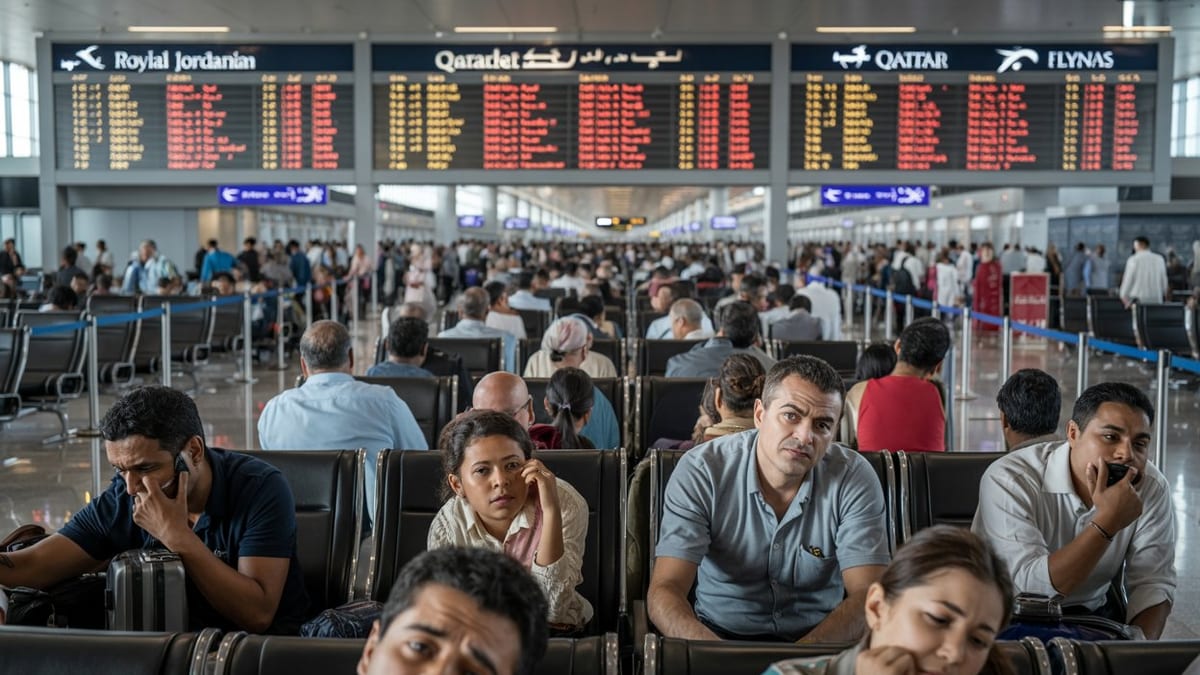
The immediate consequence of Mesa’s and United’s flight suspensions is felt in the form of cancellations and schedule changes that arrive in customer inboxes. Travelers holding tickets on affected Dulles routes report receiving notifications of revised itineraries that add extra stops or shift departure times substantially compared with original plans. For those relying on tight connections to international flights, even modest changes can create cascading disruptions.
Publicly available guidance from airlines indicates that standard rebooking policies are in effect, with customers typically offered alternative United or United Express flights at no additional fare when comparable options are available. However, in cases where Dulles frequencies are significantly reduced, alternatives may involve connections through different hubs or require travel on different days, particularly for smaller markets such as Norfolk or for niche international routings that touch Casablanca.
A further complication comes from broader air traffic and infrastructure pressures in the Washington region. Recent months have seen construction related constraints at Dulles as work progresses on new concourse facilities and other upgrades, alongside occasional airspace disruptions that have temporarily affected operations at all three major airports serving the capital region. While these factors are separate from airline schedule decisions, they can exacerbate the impact when flights are suspended or consolidated.
Travel specialists recommend that passengers monitor their reservations regularly, especially if travel involves multiple segments or international connections. Early check in and proactive outreach through airline apps or customer service channels can improve the chances of securing preferred alternatives when schedules shift unexpectedly.
Dulles Growth Plans Continue Despite Short Term Cutbacks
Despite the turbulence surrounding Mesa’s regional pullbacks and United’s targeted suspensions, Washington Dulles International Airport remains firmly on a growth trajectory. Airport statistics and recent announcements highlight record passenger volumes across the region’s two airport system and a pipeline of new routes from both United and foreign carriers slated to launch in 2026 and beyond.
A major terminal expansion program, centered on a new United concourse, is moving forward with the aim of modernizing gate facilities and easing congestion during the busiest connection banks. Federal aviation documents describe the project as a key component of Dulles’s long term capacity strategy, designed to accommodate additional widebody aircraft and higher passenger throughput once construction is completed later this decade.
New international services to Asia and Europe, including routes to Taipei and Seoul as well as expanded transatlantic links, are expected to bolster Dulles’s status as a global gateway. These developments contrast with the modest cutbacks now affecting some regional and secondary markets, underscoring how airlines and the airport are recalibrating their networks toward routes with the strongest demand and revenue potential.
For travelers, the current period may feel like a paradox: selected flights and city pairs are being trimmed even as the overall map from Dulles grows broader. How quickly the suspended services to cities such as Buffalo, Denver, Norfolk, Casablanca and Fort Lauderdale are restored, if at all, will likely depend on seasonal demand, competitive dynamics and the pace at which new infrastructure comes online at the airport.