


More news on this day
Heavy fog around Adelaide Airport on the morning of 15 July has disrupted flight operations, with reduced visibility leading to delays, holding patterns and diversions as airlines work to keep services running safely.
Get the latest news straight to your inbox!
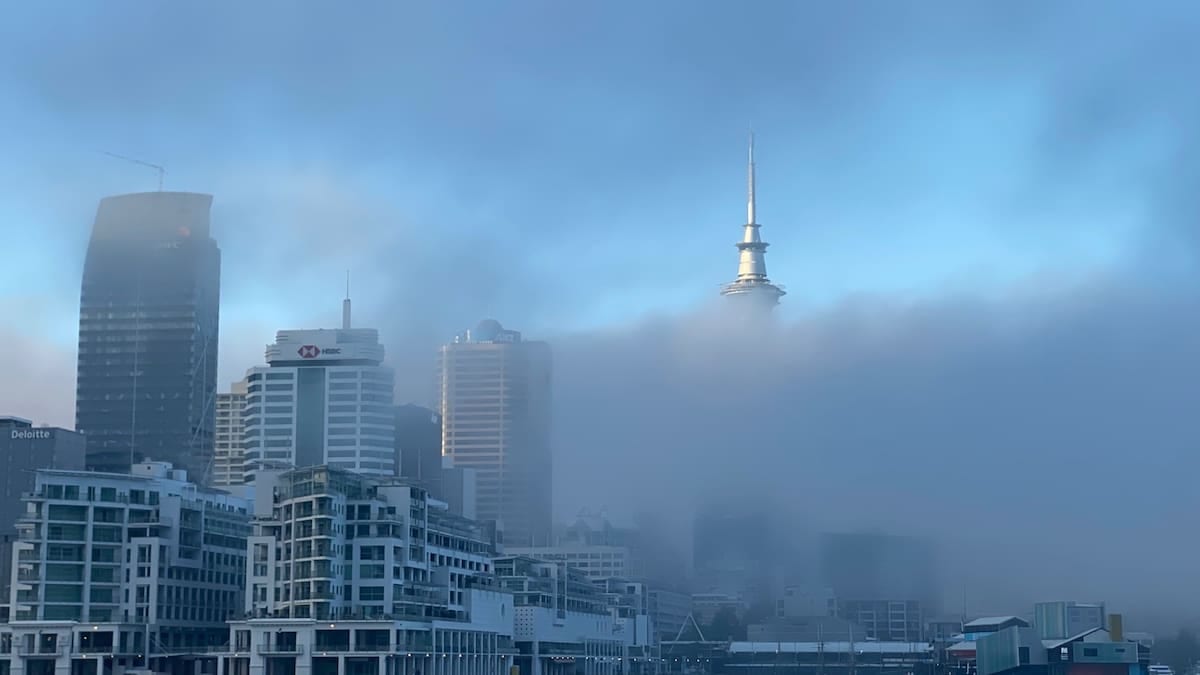
Low Visibility Slows Morning Operations
Weather briefings from the Bureau of Meteorology indicate that a large high pressure system over South Australia created calm overnight conditions, allowing shallow fog to form around Adelaide Airport in the early hours of Wednesday. The combination of light winds, cool temperatures and saturated air pushed visibility down at times, affecting both arriving and departing traffic.
Airport weather observations show near-saturated humidity and light northeasterly winds at Adelaide Airport shortly after sunrise, consistent with lingering fog patches across the western suburbs and airfield precinct. Travellers in the area also reported dense fog near the airport, with social media posts on Wednesday morning describing “Silent Hill” style conditions on key commuter routes leading to the terminal.
Under such low visibility, standard safety procedures require increased separation between aircraft, potential use of alternative approach paths and, in some cases, temporary pauses in movements. This can quickly translate into a build-up of airborne holding patterns and ground queues, even when the underlying weather system is stable.
While the fog has been described in official weather commentary as shallow and patchy, aviation forecasters noted a risk that it could take longer to clear than usual, particularly in low-lying areas around the airport. That uncertainty contributed to a cautious approach to runway use through the peak morning period.
Delays, Diversions and Knock-on Impacts
Flight-tracking data and published coverage of Wednesday’s operations show a series of delays to early-morning domestic services into and out of Adelaide, with some aircraft slowed en route and others held on the ground at departure airports to manage arrival flow. Even modest reductions in runway capacity during a peak can trigger timetable pressure across multiple routes in the tightly scheduled Australian domestic network.
Regional links into Adelaide were among the services experiencing schedule changes, with passengers reporting revised departure times and extended waits at boarding gates. Similar conditions earlier in the winter have occasionally forced aircraft to divert to alternate airports when approach minima could not be met, underscoring how quickly fog-related issues can escalate if visibility deteriorates at a critical moment.
International operations have also been indirectly affected. Recent weeks have seen several long-haul aircraft divert into Adelaide when fog, storms or other weather threatened their primary destinations elsewhere in Australia. Aviation enthusiasts in the city closely track these unscheduled wide-body arrivals, highlighting how Adelaide’s role as an alternate field can compound ground congestion when local conditions are marginal.
Although Wednesday’s disruption has so far been characterised as moderate rather than severe, the combination of delays, occasional diversions and aircraft being out of position is expected to ripple through afternoon and evening schedules. Passengers with onward connections face the greatest risk of extended journey times as airlines work to reset rotations.
Fog a Recurring Winter Challenge for Adelaide
Guidance material for pilots operating in the Adelaide region notes that the airport typically averages several significant fog events each year, most commonly in the colder months when radiative cooling overnight is strongest. Calm, clear nights under high pressure are especially prone to generating the kind of shallow ground-hugging fog that can sit across the Gulf St Vincent coastal plain and airport precinct.
Unlike isolated showers or wind squalls, radiation fog can be difficult to time precisely, both in onset and in dissipation. Forecasters may flag a probability window of reduced visibility, but local topography and subtle wind shifts can cause sharp variations between suburbs and even between different parts of the airfield. This complicates planning for airlines, which must balance the risk of disruption against the need to maintain connectivity on tightly timed routes.
For Adelaide Airport, fog joins strong crosswinds and occasional heavy rain as recurring operational challenges during the winter timetable. While the airport’s primary runway and instrument landing systems allow operations in relatively low visibility, there are still thresholds beyond which pilots and carriers must delay or divert for safety reasons.
The pattern is not unique to South Australia. Recent coverage of weather-related impacts at other airports, including dense early-morning fog episodes at major leisure gateways, shows that even brief visibility drops can leave crews, controllers and passengers managing a day of rolling delays.
Curfew Constraints and Operational Flexibility
Adelaide is one of a small group of Australian airports operating under a legislated night curfew between 23:00 and 06:00, a framework that significantly restricts scheduled movements during those hours. Publicly available regulatory material outlines limited exemptions, including specific provisions for emergency situations and for certain flights diverted from other airports when conditions require an alternate.
Fog-related disruptions interact with this curfew in complex ways. If delayed inbound flights risk arriving after 23:00, operators must consider options such as rerouting to another airport, scheduling a technical stop earlier in the route, or cancelling the sector altogether. Similarly, aircraft intended to depart Adelaide late at night may need to be held until morning if the knock-on effects of weather elsewhere push them past the curfew window.
On mornings affected by fog, the imperative is reversed. Airlines aim to launch the first wave of departures as soon as visibility and cloud base meet required minima, recovering from any overnight constraints as quickly as possible. When that window narrows due to lingering fog, some carriers can find themselves with limited room to rebuild the schedule before the next series of rotations.
Aviation analysts note that curfew rules, combined with Adelaide’s growing role as both a domestic hub and an alternate for interstate flights, leave relatively little slack in the system during winter peaks. Weather events that might be manageable at a fully 24-hour airport can therefore have a more pronounced impact on local timetables.
Advice for Travellers Moving Through the Airport
Travel advisories issued in connection with Wednesday’s fog event encourage passengers to check the status of their flights before leaving for the airport and to build in additional time for check-in, security and boarding. Airlines typically update expected departure and arrival times through their own channels as soon as revised operational plans are confirmed.
For those already at Adelaide Airport, terminal operations are continuing, with shops, food outlets and seating areas accommodating travellers whose flights have been pushed back. Passengers on multi-sector itineraries are being rebooked where necessary as carriers adjust connections to reflect altered arrival times.
Publicly available guidance from aviation and meteorological agencies stresses that low-visibility procedures, while disruptive, form a critical part of the safety framework governing modern air travel. Slower arrival rates, extended spacing between aircraft and occasional diversions are intended to ensure that flights only land and depart when conditions allow crews to operate within approved limits.
With the high pressure system expected to deliver clearer conditions later in the day, operational focus is shifting from immediate delay management to restoring aircraft rotations for the evening and into Thursday. Travellers scheduled to pass through Adelaide over the next 24 hours are being advised to monitor updates closely as airlines work to absorb the impact of Wednesday morning’s fog.