


More news on this day
An American Airlines flight from Chicago to Phoenix diverted to Albuquerque on Tuesday, with publicly available tracking data and airline information indicating a precautionary diversion for Flight AA1384 before it continued on its route.
Get the latest news straight to your inbox!
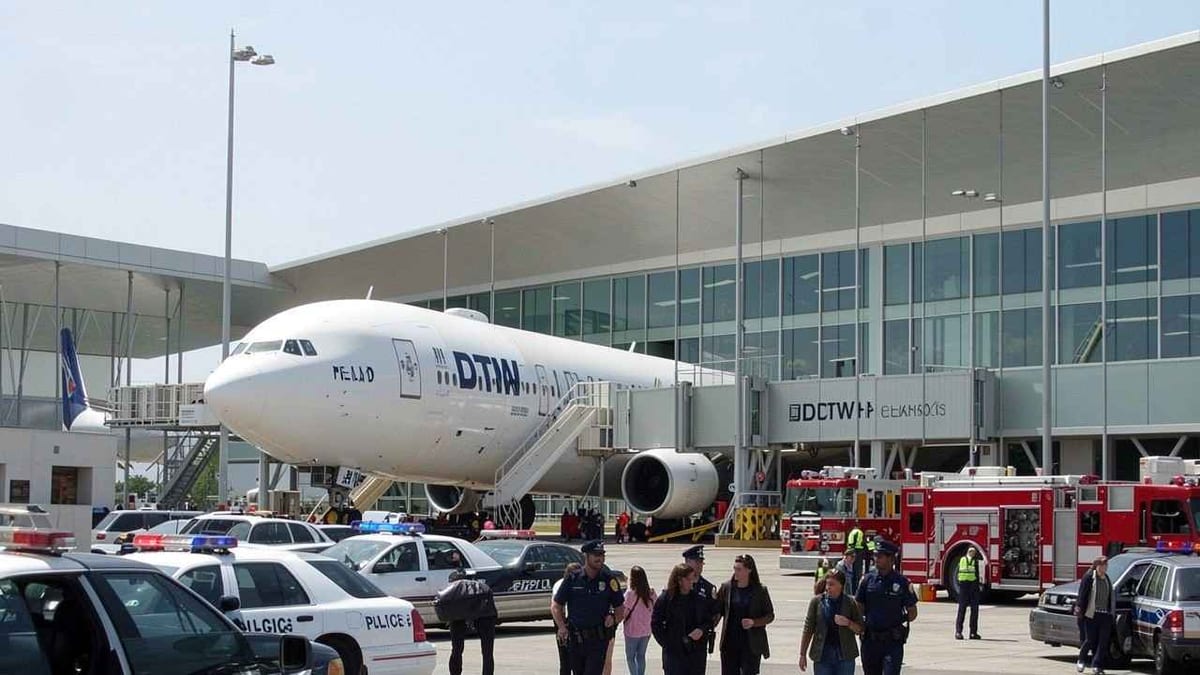
Chicago to Phoenix Service Interrupted En Route
American Airlines Flight AA1384 was operating a scheduled service between Chicago and Phoenix when it altered course and diverted to Albuquerque. Data from flight-tracking platforms shows the aircraft departing Chicago as planned before changing its flight path and descending toward Albuquerque instead of continuing directly to its destination in Arizona.
The aircraft landed safely in Albuquerque, where it remained on the ground for a period consistent with diversion handling, including refueling, operational checks, and passenger service. Available information indicates the diversion took place during a routine domestic sector, adding an unscheduled stop to one of the airline’s heavily traveled corridors in the Southwest.
There were no immediate indications of injuries related to the diversion. Reports circulating on aviation forums and social platforms focused largely on the disruption to travel plans rather than any onboard emergency, suggesting a controlled and orderly handling of the situation.
Once on the ground at Albuquerque International Sunport, the aircraft joined a network in which American Airlines already maintains regular operations. The carrier runs multiple daily flights linking Albuquerque with major hubs such as Phoenix and Dallas, providing the flexibility to reroute aircraft and passengers when irregular operations occur.
Potential Factors Behind the Diversion
While American Airlines had not published detailed cause information at the time of writing, publicly available flight data and regional weather patterns point to a combination of operational and meteorological factors as likely contributors. Summer in the U.S. Southwest is characterized by convective storms, rapidly changing wind conditions, and occasional dust events around Phoenix, any of which can trigger airborne holding or diversions.
Industry records and prior case histories show that diversions on domestic routes typically stem from weather developments near the destination, aircraft maintenance considerations identified in flight, or airspace flow constraints that make a direct arrival impractical. In such cases, flight crews often opt for a nearby alternate with suitable runways, support services, and existing airline infrastructure to minimize downstream disruption.
Albuquerque is a common diversion and alternation point for flights traversing the central and southwestern United States. The airport offers ample runway length, established maintenance and ground-handling support, and regular onward service to Phoenix, making it a logical choice for a Chicago Phoenix flight needing an intermediate stop.
Aviation safety data and academic research into disruption management highlight that unscheduled landings of this kind are generally precautionary in nature. Airlines are required to prioritize safe fuel reserves, crew duty limits, and aircraft performance considerations, which can lead to planned diversions even when the primary issue originates at the destination airport rather than on board.
Impact on Passengers and Downline Operations
For travelers on Flight AA1384, the diversion meant an unplanned layover in New Mexico and a delay in reaching Phoenix. Passengers on similar diverted flights typically experience a range of outcomes, from remaining on the same aircraft after ground checks to being reprotected on alternative services once operations stabilize.
American Airlines’ current customer information materials describe a variety of responses to irregular operations, including meal or hotel considerations in some cases and rebooking support through digital channels and airport staff. In recent years the carrier has emphasized app based notifications and trip management tools, designed to keep passengers informed when itineraries change at short notice.
Operationally, a diversion can affect more than the single flight involved. When an aircraft and its crew spend additional time on the ground at an unplanned station, later segments using the same aircraft or personnel may face knock on delays or equipment changes. Airlines typically balance the need to complete the diverted flight with efforts to protect the broader schedule, sometimes swapping aircraft or adjusting departure times on subsequent legs.
On routes such as Chicago Phoenix, where multiple daily frequencies operate across several carriers, passengers generally have more options for reaccommodation compared with thinner markets. That network density can help limit the longer term disruption caused by an individual diverted sector, even when a specific flight experiences a substantial delay.
Albuquerque’s Role as a Diversion Gateway
Albuquerque International Sunport occupies a strategic position in the U.S. Southwest air network, sitting between major hubs in Texas, Colorado, Arizona, and California. The airport regularly handles overflights and rerouted traffic when weather or airspace constraints affect cities such as Phoenix, Dallas, Denver, or Las Vegas.
American Airlines maintains scheduled services from Albuquerque to several of its hubs, including Phoenix, Dallas Fort Worth, and other connection points. This pattern allows the airline to use Albuquerque as both an origin and a contingency airport, with the ability to reposition aircraft and move passengers onward with relatively limited additional flying time.
For Flight AA1384, arrival in Albuquerque provided access to these established operations, simplifying logistic tasks such as refueling, catering, and crew coordination. Ground time at a compatible station can be more efficient than continuing toward a primary destination facing active weather or congestion, especially during busy summer travel periods.
Albuquerque’s airfield layout and high elevation also make it a frequent subject of performance planning in airline dispatch. Pilots and dispatchers build profiles that account for density altitude and temperature, ensuring that diversion decisions remain aligned with runway length, aircraft weight, and safety margins when selecting alternates in the region.
Broader Context of Diversions in U.S. Air Travel
Flight diversions such as that experienced by AA1384 are a recognized feature of modern air transport, particularly in regions where seasonal weather systems are common. Federal aviation data and academic analyses show that while diversions attract significant passenger attention, they represent a small fraction of total flights operated by major carriers each day.
Studies of airline delay and disruption management indicate that most diversions are initiated well within defined safety margins, with crews and dispatchers acting conservatively when faced with uncertainties about weather, fuel, or airport conditions. In recent years, enhanced forecasting, real time radar, and data driven routing tools have helped airlines reduce the frequency of diversions, even as overall traffic has grown.
For travelers, events like the AA1384 diversion underline the importance of flexible planning during peak travel seasons. Travel industry guidance often encourages the use of airline mobile apps, real time flight status tools, and buffer time for critical connections, recognizing that even well planned operations can be affected by factors beyond an airline’s direct control.
Although the diversion added an unexpected chapter to the Chicago Phoenix journey for those on board, the safe arrival of the aircraft in Albuquerque and the absence of early indications of serious onboard issues place the event within the spectrum of precautionary operational adjustments that occur periodically across the U.S. aviation system.