


More news on this day
A widespread fog warning across much of England and parts of Wales has been extended into Tuesday morning, bringing reduced visibility, slower journeys and fresh disruption across key UK transport routes at the start of the working week.
Get the latest news straight to your inbox!
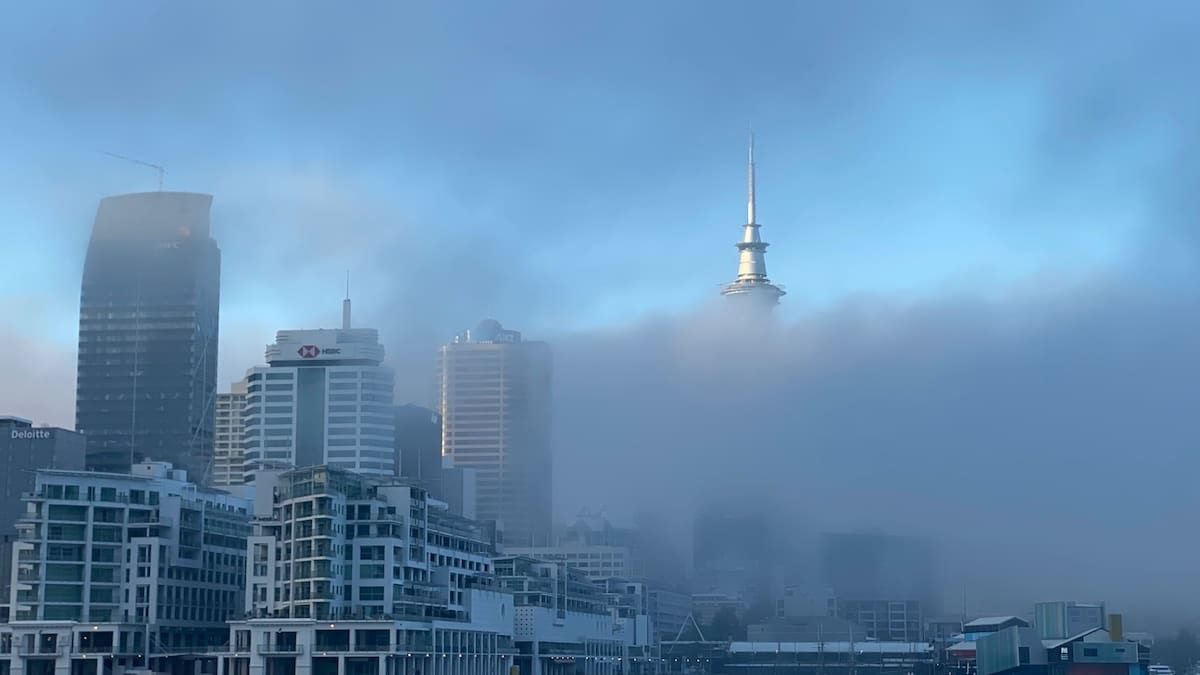
Yellow fog alert extended across central and southern regions
Publicly available information from the UK Met Office shows a yellow severe weather warning for fog covering large parts of England and parts of Wales from Monday evening, 9 November 2026, into the morning of Tuesday, 10 November. The alert focuses on areas south of Manchester, including stretches of the Midlands, the West Country, the Home Counties and London commuter belts.
The National Severe Weather Warning Service guidance states that dense patches of fog could reduce visibility to around 50 metres or less in some locations, particularly during the late evening and early morning peak travel periods. The warning highlights a likelihood of slower journey times on roads, with a risk of delays or cancellations to bus and rail services and possible disruption to flights.
Met Office updates indicate that the extension of the warning follows a continuation of high pressure, light winds and clear overnight skies, a combination that allows fog to form and persist. Official outlooks also suggest that while fog is expected to gradually lift for many areas later on Tuesday, further patches may redevelop through the week before colder, clearer conditions take hold.
The yellow alert classification signals that weather conditions may cause some disruption to daily routines but are not currently forecast to reach the higher amber or red levels that denote more severe impacts. Travellers are advised through public guidance to monitor the latest regional forecasts, as the extent of the affected area and warning timings can be updated at relatively short notice.
Air passengers face delays as visibility fluctuates
Published coverage from UK media reports indicates that London’s major airports have been among the first to experience knock-on effects from the persistent fog. At Heathrow, a number of inbound and outbound flights were delayed on Monday morning as low visibility affected aircraft spacing and caused knockbacks to departure slots.
Flight tracking data cited in news reports also shows a smaller number of cancellations at London City Airport, where its short runway and central London location can make operations more sensitive to poor visibility. Local radio and online travel bulletins have noted rolling delays as airlines adjust schedules and prioritise long-haul and connection-critical services.
Air traffic control procedures in these conditions typically require increased separation between aircraft on approach and departure, which reduces the number of movements that can be handled per hour. Aviation-focused coverage explains that, even where the fog begins to thin, it can take several hours for schedules to recover once a backlog has built up.
Airlines have been updating departure boards and apps throughout the day, and publicly accessible advice emphasises that passengers should check the status of their flight before leaving for the airport, allow extra time for security and transfers, and be prepared for last-minute gate changes as operations are adjusted to fit weather-related constraints.
Motorways and A-roads affected after multi-vehicle collisions
In addition to impacts on aviation, regional news outlets have reported significant disruption on parts of the strategic road network. Over the weekend preceding the latest extension, a major road in Kent was closed for several hours following a collision involving about 30 vehicles in poor visibility conditions, with images shared by broadcasters showing long tailbacks and stationary traffic.
Current Met Office guidance for the fog warning highlights the possibility of slower traffic and hazardous driving conditions on motorways and trunk roads where fog forms in dense patches. UK government transport resilience documentation notes that fog can be especially challenging for high-speed routes, as conditions may change rapidly along relatively short stretches of carriageway.
Variable message signs on sections of the motorway network are used to display reduced advisory speed limits and “Fog” warnings where visibility drops, supported by automated queue protection systems on some routes. These measures are intended to give drivers more time to react to sudden changes, although road-safety campaign materials consistently stress that motorists should further moderate speed and increase following distances in dense fog.
Motoring organisations continue to draw attention to the heightened risk of collisions in such conditions, pointing to previous incidents where rapidly thickening fog led to chain-reaction crashes. Public information campaigns typically urge drivers to use dipped headlights, avoid relying solely on daytime running lights, and switch on rear fog lights only when visibility is seriously reduced.
Rail and ferry operators warn of possible timetable disruption
The Met Office warning also flags a chance of delays and short-notice changes to rail and ferry services, particularly in areas where dense fog persists into the morning commute. While the rail network is less directly affected by visibility than road or air travel, published travel advisories explain that speed restrictions can be imposed where there are concerns about signals and line‑side visibility.
Passenger information services from train operators and Network Rail emphasise that fog can make it harder for drivers to see signals at a distance, leading to more cautious driving and slightly slower schedules. This in turn can have a knock-on effect at busy junctions and terminals, resulting in minor delays that accumulate along key corridors, particularly in and out of London and other major cities.
On coastal routes and cross‑channel connections, ferry timetables may also be adjusted. Maritime operations rely heavily on radar and navigation systems, but port movements and approaches can be affected when visibility falls close to zero. Port authorities commonly issue public advisories when tugs and pilotage services need to slow or temporarily suspend movements in restricted visibility to manage safety margins in narrow channels.
Rail and ferry operators are continuing to post real-time updates through digital channels and station announcements. Travellers planning early-morning departures on Tuesday are being encouraged through publicly available timetables and alerts to check for revised departure times and to allow extra time for connections with other modes.
Advice for travellers navigating the foggy start to the week
With the extended warning coinciding with the start of the working week, travel and weather services are drawing attention to a few practical steps that can help minimise disruption. For road users, official safety guidance recommends reducing speeds in line with visibility, keeping a greater distance from the vehicle in front, and avoiding sudden braking or lane changes that can surprise other drivers in low‑visibility conditions.
Drivers are also advised in public campaigns to clear all windows and mirrors fully before setting off, use heaters or air conditioning to prevent misting on the inside of the glass, and ensure that windscreen washer fluid is topped up, as fog can deposit fine moisture and grime on the windscreen. Where possible, non-essential journeys during the densest periods of fog can be delayed until conditions improve later in the morning.
For those travelling by rail or air, checking journey planners and operator apps shortly before departure remains one of the most reliable ways to stay informed about disruption. Many booking platforms now include specific disruption alerts for weather-related issues, which can indicate whether passengers are entitled to refunds or fee‑free rebooking when services are heavily affected.
While the current yellow warning does not indicate the most severe level of weather risk, the combination of darkness during commuting hours and locally dense fog can still make travel challenging. As the Met Office continues to monitor conditions and update forecasts through the week, travellers across the affected regions are being urged through public information channels to remain flexible, allow additional journey time and stay alert to rapidly changing visibility on the move.