


More news on this day
UK travellers heading to Spain around Monday 11 November are being urged to prepare for major disruption after updated Foreign Office guidance highlighted the impact of a nationwide general strike and ongoing protests across the country.
Get the latest news straight to your inbox!
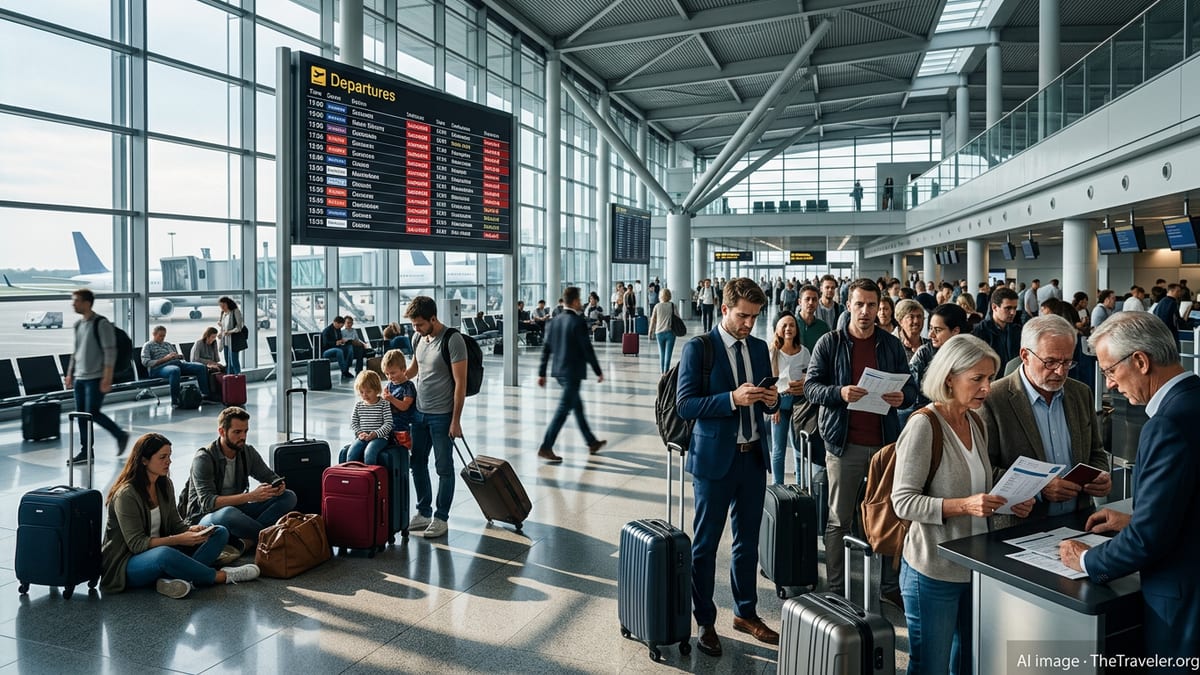
Updated Foreign Office advice focuses on unrest and disruption
Recent updates to the UK Foreign, Commonwealth and Development Office travel advice for Spain draw renewed attention to the risk of disruption linked to demonstrations, strikes and wider unrest. Publicly available information shows that Spain remains a popular destination and that the overall security rating has not changed, but the language around public gatherings and transport disruption has been strengthened.
The UK guidance continues to advise travellers to exercise caution around large public events and political gatherings, noting that demonstrations can take place with little or no notice in major cities including Madrid, Barcelona, Valencia and Seville. Other governments, including those of Canada, Ireland and Australia, have issued similar cautions, underlining that protests and strikes have become a recurring feature of the landscape in recent months.
Published coverage and official foreign travel portals consistently emphasise that even peaceful demonstrations can escalate, and that associated road closures and transport delays may affect visitors who are travelling between cities or to and from airports. Travellers are encouraged to monitor local media, check transport operator updates and be prepared to change their plans at short notice.
The latest messaging comes as Spain experiences a tense political and social climate, including high-profile housing protests and large rallies in Madrid and other urban centres in 2026. These events have periodically affected public transport, access to city centres and the operation of public services, particularly when aligned with nationwide calls for industrial action.
General strike on 11 November set to hit transport
Information collated from European civil protection and foreign ministry channels indicates that a 24-hour general strike has been called across Spain for Monday 11 November. Advisories from several European governments state that the strike is expected to cause significant disruption to public transport networks, including regional and urban rail, metro systems and bus services.
Some international travel guidance already notes that rail links on key routes such as Madrid to Andalucía and services connecting Barcelona and Valencia with southern Spain have recently been suspended or reduced because of industrial action and protests. Travellers with tickets for long-distance or high-speed trains on or around 11 November are being urged, through rail operator notices and foreign travel advisories, to check whether their service is operating and to consider alternative travel dates where possible.
Airports may also experience knock-on effects from the strike, particularly if ground handling staff, baggage handlers or public transport workers in airport cities participate. While there is currently no general instruction to avoid flying to or from Spain on 11 November, publicly available guidance stresses the importance of allowing extra time for journeys to airports and being prepared for schedule changes.
Road networks in and around major cities could face delays due to protest marches and pickets, especially during morning and evening peak periods. Several European advisories encourage visitors to avoid driving into city centres on the strike day unless necessary, to keep fuel tanks topped up in advance, and to follow any temporary diversion signs or police instructions they encounter on the road.
What UK holidaymakers should expect in key Spanish destinations
For visitors staying in popular holiday regions such as the Costa del Sol, Costa Blanca, Balearic Islands and Canary Islands, most beaches, hotels, bars and restaurants are expected to remain open, although staffing levels and opening hours could be affected where workers join the strike. Local tourism and hospitality bodies often try to minimise disruption for visitors, but foreign travel advisories underline that normal service cannot be guaranteed.
In major cities such as Madrid and Barcelona, where protests have been concentrated in 2026, travellers may find that museum opening hours, guided tours and city sightseeing buses are curtailed or rescheduled. Publicly available city transport information in Madrid and Barcelona already warns of potential reductions to metro and bus frequencies during periods of industrial action, with priority usually given to peak commuting times.
Those planning internal transfers on 11 November, such as moving between hotels or travelling from a coastal resort to an inland airport, may face particular challenges. Recent traveller discussions and rail operator guidance suggest that where possible, visitors should complete intercity journeys on Sunday 10 November or postpone them until after the strike to reduce the risk of cancellations or being stranded between destinations.
Travellers with pre-booked excursions or time-sensitive activities, such as cruise departures from Spanish ports or theme park visits, are advised by various national travel advisories to contact operators in advance to confirm whether services will run as scheduled. Some providers may offer free rebooking or flexible terms if the strike significantly impacts operations, but policies differ between companies.
Safety, insurance and practical steps for travellers
Foreign travel guidance from multiple governments highlights that the primary risks for visitors linked to the 11 November strike are disruption and localised unrest, rather than a change in the underlying security situation. Spain continues to be rated as a destination where travellers should exercise normal or increased caution, primarily due to the broader risk of terrorism and occasional civil unrest.
Travel insurance remains an important consideration. Many standard policies include cover for missed departures, travel delays and additional accommodation costs in certain circumstances, but often exclude losses arising from known strikes or events announced before the policy was purchased. Travellers are therefore encouraged by consumer groups and travel industry commentary to read policy wording carefully and keep receipts for any additional expenses incurred during disruption.
Practical recommendations from foreign ministries and consular services include keeping identity documents, travel tickets and essential medication in hand luggage in case of sudden changes, as well as carrying some cash in euros in case card payment systems are affected or travellers need to use alternative forms of transport such as taxis. Visitors are also advised to store emergency and consular contact numbers offline in case mobile data services are disrupted.
With the general strike scheduled to begin on 11 November, the overarching message from international travel advisories is to stay informed, allow generous time for travel and remain flexible. Travellers who monitor reputable news outlets, official transport updates and foreign travel advice pages are likely to be best placed to adapt their plans and continue their trips with manageable inconvenience rather than major disruption.