


More news on this day
UK travellers heading to Spain from 11 November are being urged to check the latest official guidance, as updated travel advice highlights disruption from a nationwide general strike and severe autumn storms affecting rail, road and air services.
Get the latest news straight to your inbox!
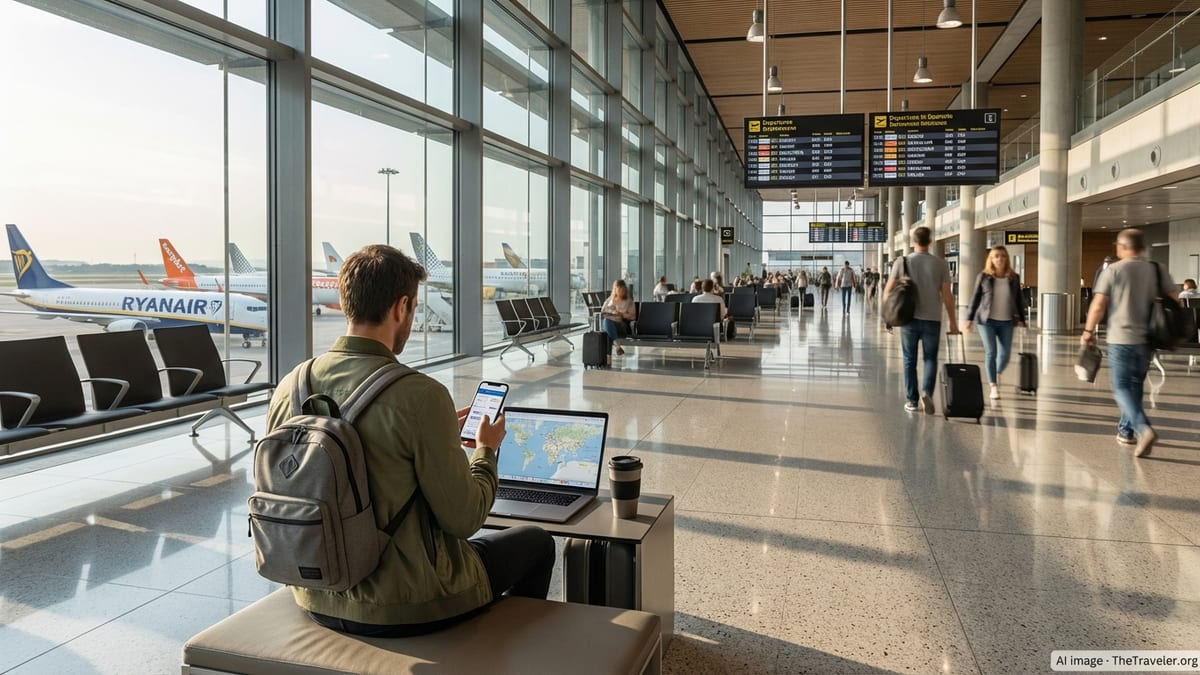
Updated Foreign Office advice highlights disruption risk
The latest Spain travel advice from the UK government stresses that demonstrations and industrial action can take place with little warning, particularly in major cities, and can quickly affect public transport, roads and access to airports. Publicly available information shows that the general advice for Spain remains that most visits are trouble free, but that travellers should be prepared for sudden disruption to plans.
The core Foreign Office travel page for Spain continues to flag existing issues such as the elevated risk of terrorism, petty crime in busy tourist areas and the need to monitor local media and follow local guidance. The section on safety and security notes that demonstrations and political gatherings are a regular feature of urban life, and that visitors should move away if they see signs of disorder or heavy police presence.
There is no blanket instruction for UK nationals to avoid travel to Spain, and package holidays, city breaks and winter sun trips are continuing to operate. However, the reinforced language around protests, strikes and transport disruption means travellers are being advised to build extra flexibility into itineraries, particularly around key dates in November.
The Spain advice has also been updated in recent days to reflect significant disruption to high speed rail services following a collision near Toledo in late October. According to published coverage, rail operator information indicates that services on affected routes remain subject to delays and cancellations while investigations and repairs continue.
11 November general strike set to hit transport
European travel bulletins and official advisories from several governments refer to a nationwide general strike in Spain scheduled for Wednesday 11 November. Information compiled by national crisis and civil protection services in northern Europe states that the action is expected to disrupt public transport, air travel and public services across the country on that date.
Travel advisories from countries including New Zealand, Australia, Canada and Ireland already note that protests and strikes in Spain have recently led to local curfews, clashes between demonstrators and police, and interruptions to public transport. These advisories recommend avoiding large gatherings, monitoring the news closely and being ready to adjust travel plans at short notice if marches or industrial action escalate.
For tourists arriving or departing around 11 November, the greatest impact is expected on commuter rail, metro and bus networks in major cities such as Madrid, Barcelona, Seville and Valencia. There is also potential for delays at airports if ground staff, baggage handlers or air traffic control personnel participate in the strike. Some regional ferry and intercity coach services may also operate reduced schedules if staff join the action.
Airlines and train operators are advising passengers to check the status of their services regularly in the 24 hours before travel. In previous nationwide strikes, some services have been protected by minimum service agreements, but others have been cancelled or consolidated, leading to longer queues and crowded remaining departures.
Severe autumn storms compound travel challenges
The renewed emphasis in Foreign Office messaging on checking local conditions comes as Spain is dealing with a series of powerful Atlantic storms in the early part of the 2026–27 European windstorm season. Meteorological bulletins for early November report that Storm Bruna brought torrential rain, flash flooding and winds exceeding 120 kilometres per hour across parts of mainland Spain.
As the storm system moves east and south, Spain’s national meteorological agency has issued high-level weather warnings for strong winds, heavy rain and hazardous coastal conditions in several regions, including the Canary Islands, around 11 November. Forecasts point to particularly strong gusts and intense rainfall on islands such as La Palma and Tenerife, increasing the risk of flight disruption and localised flooding.
Travel advisories for Spain from multiple countries highlight that extreme weather can trigger sudden road closures, diversions and the suspension of some rail and ferry services. Coastal promenades and exposed piers can become dangerous during periods of high surf, while mountain roads may be affected by landslides or debris after prolonged rain.
Visitors planning trips to coastal resorts or island destinations in mid November are being urged to pay close attention to local weather alerts and to follow any safety instructions issued by regional authorities. In particular, travellers are advised not to approach sea walls during storms, to respect red flags on beaches and to allow additional time for transfers between airports, ferry terminals and accommodation.
Advice for UK travellers with imminent departures
Public travel guidance across Europe stresses that those with bookings to Spain in and around 11 November should not assume flights or holidays will be cancelled automatically. Instead, travellers are being encouraged to check with airlines, tour operators and accommodation providers for the latest information, and to ensure that contact details in reservations are up to date so that any schedule changes can be communicated quickly.
Consumer-facing travel advice also underlines the importance of comprehensive travel insurance that covers delays, missed connections and, where possible, strike-related disruption. Policies vary significantly, and some insurers exclude industrial action, so travellers are being reminded to review the wording carefully before departure.
Passengers with rail journeys booked on high speed routes through central Spain are being asked to monitor operator notices due to residual disruption from the late October rail collision and the possibility of further delays if rail unions participate in the 11 November strike. Where flexible tickets are available, some operators are allowing changes to travel dates without additional fees during the strike period.
For city breaks, practical steps being suggested by travel organisations include avoiding tight same-day connections between flights and long-distance trains, scheduling key museum or restaurant reservations away from the strike day itself where possible, and keeping a paper copy of important reservations in case mobile connectivity is disrupted during large demonstrations.
How to stay informed while in Spain
Several European foreign ministries are advising their citizens in Spain to register contact details with consular services so that important updates can be sent directly if the security or transport situation changes. Many also recommend downloading official alert apps or enabling emergency notifications on smartphones.
The UK government offers an email alert service linked to its foreign travel advice pages so that subscribers receive a message whenever guidance for Spain is updated. Similar services are provided by other national foreign ministries and can be useful for travellers who are moving between several countries in Europe.
On the ground, travellers are being encouraged to rely on established national and regional broadcasters, official weather services and transport operators’ announcements to track how the 11 November general strike and severe weather are developing. Local hotel reception desks, tourist information offices and major train stations often display summaries of the latest advisories in multiple languages.
Across all current advisories, the consistent message for those visiting Spain around 11 November is to stay informed, allow flexibility in travel plans and avoid areas where large crowds are gathering. With these precautions, most trips are still expected to go ahead, albeit with a higher-than-usual risk of delays and last-minute changes.