


More news on this day
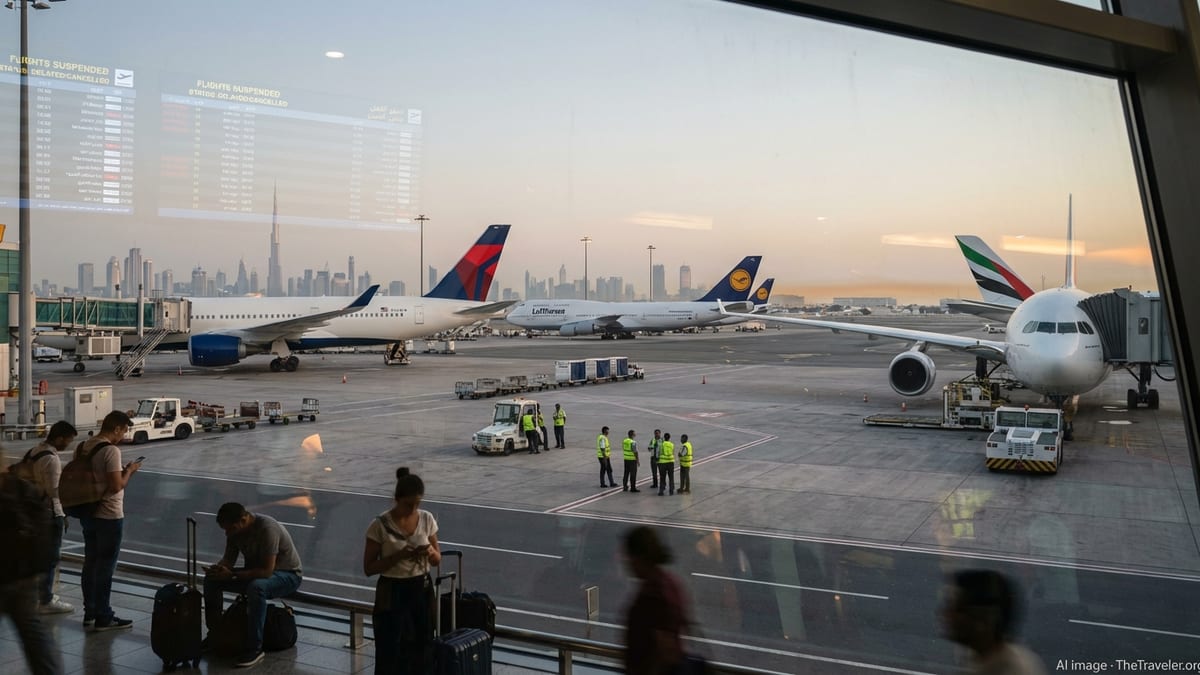
Travelers faced long waits and missed connections at El Alto International Airport in La Paz on Monday, as four flights were delayed and three canceled amid ongoing fuel shortages and transport disruptions that are rippling across Bolivia’s domestic and international air network.
Get the latest news straight to your inbox!
Disruptions Hit Key Hub for Bolivia and the Altiplano
El Alto International Airport, perched above La Paz at more than 4,000 meters, is one of Bolivia’s most important aviation gateways, linking the administrative capital with major cities such as Santa Cruz, Cochabamba, Sucre and Uyuni, as well as regional hubs in Peru, Chile and beyond. Publicly available flight-tracking data and local media coverage on 8 and 9 June indicate a fresh wave of operational problems, with multiple departures held at the gate or scrubbed entirely.
The latest episode involves four delayed and three canceled flights affecting both domestic and regional routes, leaving passengers camped out in departure halls and transit areas. The disruptions coincide with broader instability in Bolivia’s transport system, where ongoing road blockades and supply challenges have made air travel one of the few viable ways to move between key cities.
Although the airport itself remains open, the combination of delayed departures, tighter connection windows and uncertainty around ground access has turned routine itineraries into unpredictable journeys. Some travelers connecting through El Alto to destinations such as Uyuni or international hubs report missed onward flights and forced overnight stays.
As airlines rework schedules and reposition aircraft, knock-on effects are being felt at other Bolivian airports, from Santa Cruz’s Viru Viru International to regional fields that depend heavily on timely links to La Paz for tourism and business travel.
Fuel Shortages and Cargo Backlogs Strain Operations
Reports from Bolivian media and government notices in recent days point to two key operational pressures at El Alto: intermittent jet fuel shortages in La Paz and a surge in air cargo demand. According to published coverage, the national carrier Boliviana de Aviación has acknowledged that a sharp increase in freight shipments has lengthened loading and unloading times, contributing to delays on several routes within Bolivia.
In parallel, information shared by travelers and foreign missions in recent weeks has highlighted concerns about the reliability of fuel supplies at El Alto. Advisories circulated to visitors mention the possibility of schedule changes or even temporary suspensions of certain services if refueling constraints intensify, particularly on longer sectors that require higher fuel loads.
The combination of these factors provides important context for the latest wave of delayed and canceled flights. Even when weather and air traffic conditions are normal, limited fueling capacity and extended turnaround times can trigger bottlenecks across an airline’s rotation, with relatively small disruptions quickly propagating to multiple departures.
Carriers have responded by adjusting departure times, consolidating lightly booked services and, in some cases, canceling flights outright when crews or aircraft are out of position. For passengers already in transit, this has meant prolonged waits and uncertainty at one of the highest commercial airports in the world, where altitude can add to the physical strain of extended delays.
Road Blockades Complicate Access to and from the Airport
Beyond the issues on the tarmac, getting to and from El Alto has become an additional challenge for many travelers. Over recent weeks, travelers’ reports and local coverage have described rolling blockades and protest actions on key access roads linking the city of La Paz with the plateau around the airport.
These blockades have periodically slowed or cut off traffic, forcing passengers to leave for the airport much earlier than usual or reroute via secondary roads. In some instances, travelers have described journeys that took several hours longer than expected, prompting missed check in deadlines and, ultimately, lost seats on already constrained flights.
Travel forums and community updates monitored by prospective visitors show growing concern about the unpredictability of these road conditions. Some travelers planning itineraries through Bolivia in June have opted to reconfigure routes to avoid overnight stays in La Paz, while others have chosen to transit through El Alto without exiting the terminal, treating the airport as a protected corridor.
For those currently stranded at El Alto due to delayed or canceled flights, the uncertain situation on surrounding roads adds another layer of difficulty, complicating decisions about whether to wait inside the terminal, attempt to reach accommodation in La Paz, or seek alternative routes through other Bolivian cities.
Ripple Effects on Domestic Tourism and International Links
The latest disruptions at El Alto come at a delicate moment for Bolivia’s tourism sector. The country relies heavily on reliable connections through La Paz to feed iconic destinations such as the Uyuni salt flats and the Amazonian lowlands near Rurrenabaque. Recent traveler accounts indicate that some visitors have already shortened or canceled trips that depended on multiple domestic legs through El Alto.
Internationally, El Alto functions as an important regional stop on routes that connect Bolivia with hubs in Peru, Chile and Brazil, as well as long haul services via Santa Cruz. Even a handful of delayed or canceled flights can trigger missed long haul departures, leading to rebookings, extra accommodation costs and disrupted travel plans for passengers heading onward to North America or Europe.
Travel planners and agencies following the evolving situation note that repeated schedule changes can also erode confidence among would be visitors. Some are advising clients to build in longer buffers between domestic and international connections or to consider alternative entry points into Bolivia, such as Santa Cruz, where conditions are perceived to be somewhat more stable.
The current episode at El Alto is the latest in a series of aviation challenges for Bolivia in 2026, a year that has already seen a fatal military transport crash at the airport and heightened scrutiny of the country’s air infrastructure and contingency planning.
Guidance for Affected and Prospective Travelers
For travelers currently stranded at El Alto or due to pass through in the coming days, publicly available information underscores the importance of monitoring flight status closely and remaining flexible. Bolivia’s transport ministry has recently promoted an online tool that allows passengers to verify the status of flights on national carriers in near real time, and several airlines publish rolling updates on their own channels.
Travel advisories and community updates suggest that passengers should expect late breaking changes to schedules, particularly on domestic routes that feed into La Paz. Building additional time into connections, especially when linking to international departures, is widely recommended. Where possible, travelers are also being encouraged to keep essential items and documentation in carry on bags in case checked luggage becomes separated during a rebooking.
Those planning trips later in June are watching developments at El Alto closely. While most services continue to operate, the pattern of delays, cancellations and difficult road access has led some would be visitors to weigh alternative routings or postpone travel until the situation stabilizes. Industry observers note that how quickly airlines and public authorities can ease the current bottlenecks at El Alto will play a significant role in shaping Bolivia’s mid year tourism season.