


More news on this day
A global fuel shock in 2026 is colliding with post-pandemic travel recovery, as Australia joins a growing list of destinations grappling with soaring energy costs, fuel supply strains and mounting pressure on tourism, air travel and essential goods supply.
Get the latest news straight to your inbox!
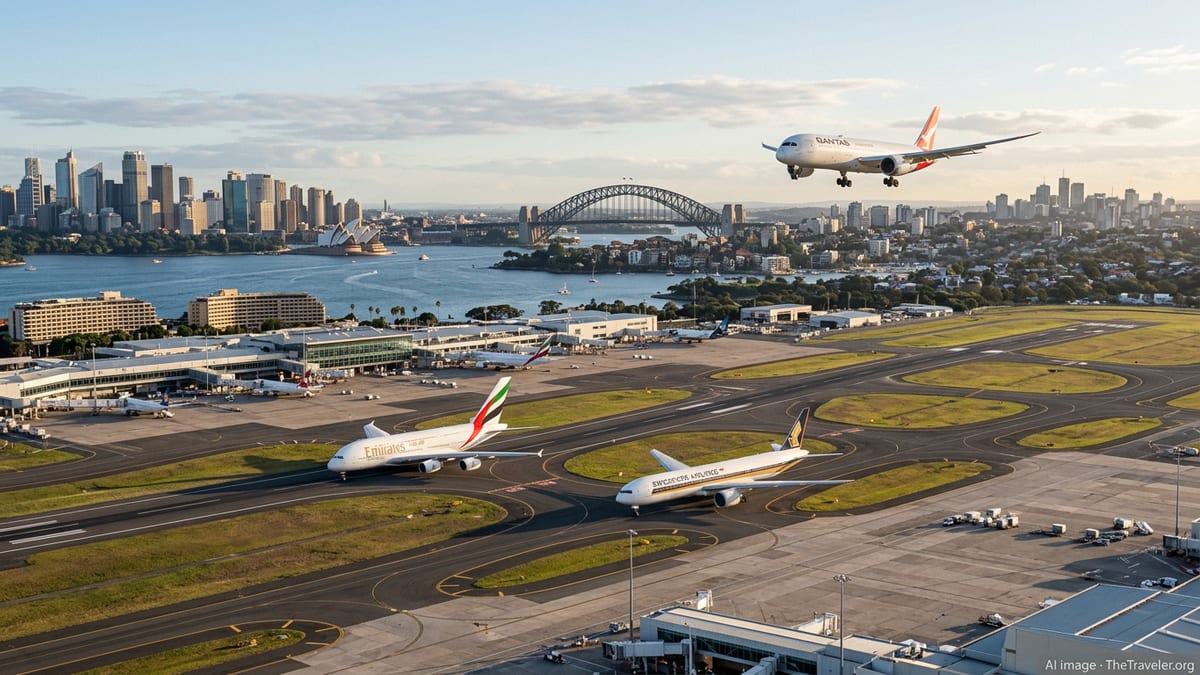
Australia’s Fuel Crisis Converges With Peak Travel Season
Australia has shifted from chronic fuel import dependence to an acute energy squeeze in early 2026, just as domestic tourism and international arrivals were gaining momentum. Publicly available data from regulators and central bank analysis indicate that global energy prices, intensified by conflict-related disruptions in the Middle East, have pushed local fuel benchmarks sharply higher since the start of the year. Reports also indicate episodes of panic buying, spot-market volatility and localized shortages at service stations in several states.
The timing is hitting travel demand and operator margins. National and regional outlets in late March and early April described a wave of cancelled Easter road trips as households confronted petrol prices above three dollars a litre in parts of New South Wales and Queensland, with tourism operators in regional areas reporting weaker bookings and rising operating costs for transport, tours and hospitality services.
Air travel is also feeling the shock. Coverage from Australian business and travel media in April highlighted highly volatile jet fuel prices, with fare swings on popular domestic and international routes as airlines sought to recover higher fuel bills. Market-watch commentary from the competition regulator has focused on monitoring pricing behaviour in an already concentrated airline market, as consumers face elevated fares and reduced flexibility during peak periods.
Policy makers have responded with a series of emergency-style interventions. Federal announcements since March have outlined a National Fuel Security Plan, accelerated use of strategic fuel stocks and commitments to expand reserve capacity. Analysis in the Reserve Bank of Australia’s May statement on monetary policy underscored that higher fuel prices are feeding into broader inflation and cost-of-living pressures, complicating the outlook for both consumers and tourism-dependent regions.
Energy Emergencies Ripple From Europe to North America
Australia’s experience mirrors mounting pressure across other advanced tourism markets. In the United Kingdom, government releases and media reporting through late 2025 and early 2026 indicate that households and businesses continue to face elevated energy bills following years of gas-market volatility, even as wholesale prices eased from earlier peaks. Higher transport fuel and electricity costs are combining with lingering inflation to raise the cost of operating hotels, attractions and transport services.
Canada is navigating its own combination of high fuel costs and regional supply risks. National statistical reports and provincial briefings describe transport fuel and diesel prices remaining significantly above pre-pandemic norms, particularly in remote and northern communities where dependence on imported refined products is greatest. Tourism operators serving those regions report that rising aviation fuel and logistics costs are squeezing margins for wilderness lodges, cruise excursions and northern adventure travel.
In France, one of the world’s most visited destinations, published coverage has highlighted periodic refinery strikes, refinery downtime and higher import costs exacerbating fuel price spikes. Government statements and European Union market monitoring show that while broader European gas markets have stabilized somewhat, refined product prices and taxes continue to keep pump prices high relative to historical averages, affecting both domestic road trips and inbound fly-and-drive itineraries.
Across these economies, industry associations and travel analysts are warning that persistent energy inflation could cool discretionary travel just as visitor numbers were closing in on pre-2020 levels. Hotels and tour companies are attempting to hedge fuel exposure, introduce dynamic surcharges or cut less profitable services, while also trying to avoid deterring price-sensitive travellers.
Philippines and Bahamas Confront Fuel-Driven Tourism Strains
Emerging and island destinations that rely heavily on imported fuel are facing particularly acute challenges. In the Philippines, government proclamations and news coverage in March 2026 described the declaration of a national energy emergency in response to tightening oil supplies and surging import costs linked to disruptions around the Strait of Hormuz. Authorities have publicly stated that crude supplies are secured only into mid-year, underscoring concerns about continuity of power generation, transport and basic services.
The tourism sector in the Philippines is exposed at multiple points. Inter-island ferries, domestic airlines and resort generators overwhelmingly depend on diesel and bunker fuel, meaning higher global prices translate quickly into increased operating costs. Local media report discussions of potential rationing and targeted support for critical services if import costs remain elevated, raising the risk of reduced transport frequencies to secondary islands and higher package prices for international visitors.
In the Bahamas, a long-standing dependence on imported oil has left the archipelago with some of the highest electricity tariffs in the region. International energy price databases and national statistics show that both retail fuel and power prices remained well above global averages through 2024 and 2025. Rising generation and distribution costs feed directly into hotel utility bills, marina operations and cruise-related services, raising the cost base for one of the world’s most tourism-dependent economies.
Industry commentary indicates that Bahamian hotels and resorts have attempted to manage higher fuel-related expenses by investing in efficiency measures and adjusting room rates, but face limited scope to pass through additional costs in a highly competitive Caribbean market. Any further spike in oil prices risks eroding profitability, constraining employment and complicating efforts to rebuild from recent hurricane seasons.
Namibia’s Double Shock of Drought and Energy Costs
Namibia illustrates how energy pressures intersect with climate shocks to strain tourism and essential supply chains. Economic updates from the Namibian government and international financial institutions during 2024 and 2025 describe a prolonged drought that has damaged agriculture, reduced hydropower potential and heightened reliance on imported fuels to support generators, water supply and transport.
Official statistics show that prices in categories linked to electricity, gas and other fuels rose faster than overall inflation at several points in 2024, while the cost of operating private transport equipment increased by double digits year-on-year. At the same time, law-enforcement reports and local media have highlighted concerns about fuel smuggling across borders, which complicates efforts to stabilize prices and ensure supplies reach rural communities.
Tourism, a significant foreign-exchange earner for Namibia, depends heavily on long-distance road safaris and domestic air links to remote lodges. As fuel prices rise and drought conditions persist, operators face higher costs for running vehicles, securing water and maintaining off-grid energy systems. Reports from the hospitality sector point to pressure on occupancy and profitability, particularly among smaller, locally owned establishments with limited financial buffers.
Beyond tourism, rising fuel and transport costs are pushing up the price of imported food, construction materials and essential goods in a sparsely populated country where many items travel long distances by road. Analysts warn that if fuel prices remain elevated or supplies are disrupted, the combined impact of drought and energy stress could deepen existing vulnerabilities in rural livelihoods and food security.
Global Fuel Shock Threatens Supply Chains and Travel Recovery
The current energy shock is closely linked to geopolitical tensions, including the 2026 Iran war and associated disruptions to shipping and risk premia in key oil transit chokepoints. International agencies and market commentators report that benchmark crude prices jumped sharply in early March, with knock-on effects for refined fuels and freight rates that are now flowing through to consumers and businesses worldwide.
For the travel and tourism industry, fuel is both a direct input and a hidden cost embedded in every stage of the journey. Higher prices for aviation fuel raise airfares and can reduce route frequency or capacity. More expensive diesel and petrol increase the costs of airport transfers, rental cars, cruise ships, ferries and tour buses. Energy-intensive hotels and resorts face higher utility bills, particularly in destinations where electricity generation relies heavily on imported oil or gas.
Supply chains for essential goods are also under strain. Logistics operators in multiple regions report higher freight charges for food, medicines and consumer products as shipping companies pass through fuel surcharges. In remote or island markets such as Pacific states, the Caribbean and parts of northern Canada, any disruption to fuel shipments can quickly translate into shortages on supermarket shelves and pharmacies, magnifying the social and political sensitivity of energy policy decisions.
Industry observers note that the 2026 crisis is sharpening calls for long-discussed shifts toward greater energy security and diversification. Governments are revisiting minimum fuel stock requirements, exploring regional purchasing arrangements and accelerating support for electrified transport and renewable power in tourism hubs. Yet most analysts caution that such transitions will take years, leaving travellers and tourism-dependent economies exposed to further fuel price and supply shocks in the near term.