


More news on this day
Passengers flying from Edinburgh Airport have faced a wave of disruption in early June as fuel supply problems and knock-on operational issues triggered delays for services operated by easyJet, Jet2 and several other airlines at the start of the busy summer travel period.
Get the latest news straight to your inbox!
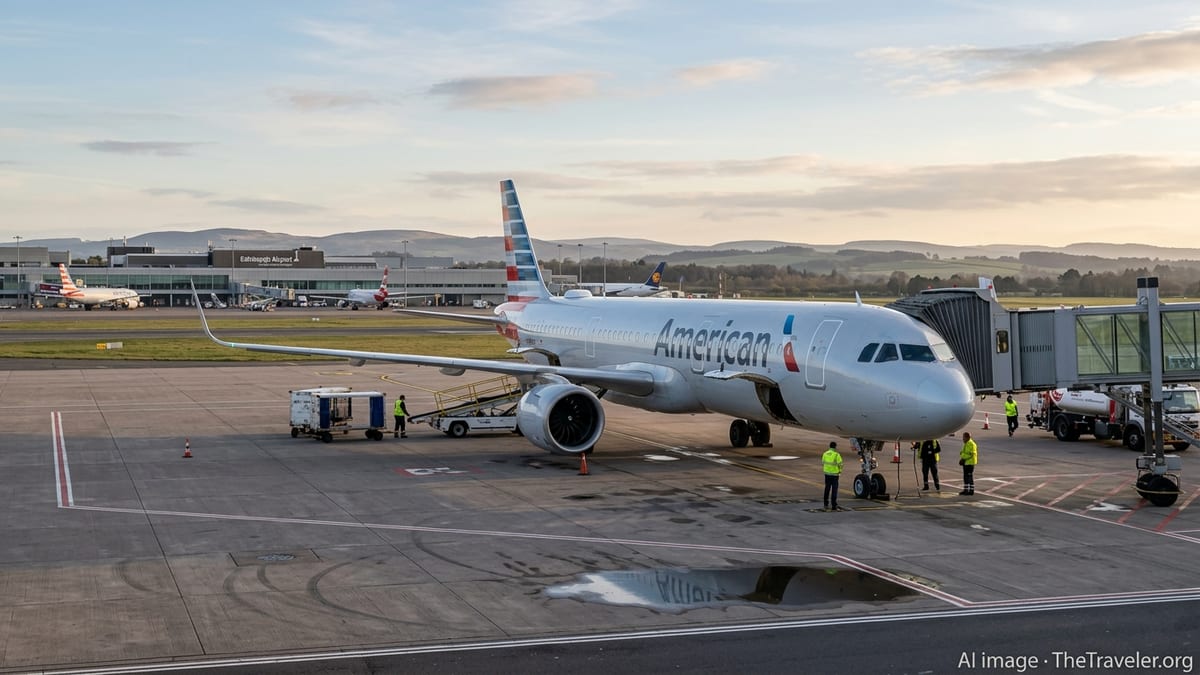
Fuel shortages disrupt early summer schedules
Reports from early June indicate that Edinburgh Airport has been affected by local jet fuel supply issues, leading to delays, extended ground times and, in some cases, aircraft being held on stand while refuelling arrangements were secured. Social media posts and traveller accounts describe flights sitting on the apron for several hours, with crews timing out and subsequent departures pushed back well beyond their scheduled slots.
According to publicly available commentary, the fuel disruption has not been limited to a single airline. easyJet, Jet2 and other major operators at the Scottish hub have all been cited as experiencing schedule pressure, with some services reportedly departing significantly later than planned after late-arriving aircraft and refuelling bottlenecks cascaded through the day’s operations.
The issues have emerged just as Edinburgh heads into one of its busiest months of the year. Airport reporting for 2026 shows that traffic and capacity are running at or above pre-pandemic levels, with low cost and leisure carriers expanding seasonal routes across Europe. That growth has amplified the impact of any constraint in critical infrastructure such as fuel supply, ground handling or stand availability.
While the technical details of the fuel supply constraint have not been fully outlined in public reporting, travel industry analysis notes that even short term interruptions can quickly translate into rolling delays across multiple airlines, particularly at constrained airfields where turn times are tight and schedules are densely packed.
easyJet and Jet2 among carriers feeling the impact
easyJet, one of Edinburgh’s largest operators, has seen a number of flights affected by recent operational challenges. Public flight tracking data for early June shows services connecting Edinburgh with destinations such as London, Tenerife, Nice and Prague experiencing altered timings, with several arrivals and departures landing or leaving later than initially scheduled.
Jet2, a key leisure carrier at the airport with a growing network of Mediterranean and city-break routes, has also been highlighted in traveller reports as facing delays on departures. The airline’s peak morning and weekend waves, which are heavily focused on sun destinations, appear particularly exposed when ground handling or refuelling capacity is stretched, as even modest hold ups can ripple through subsequent rotations.
Passengers posting on consumer and aviation forums in recent days have described missed connections, late night arrivals and uncertainty at departure gates as airlines work within the limits of available fuel and aircraft. Although experiences vary by flight and day, the common theme is longer than usual waits and a sense that even minor schedule disruptions are having an outsized effect on operations at Edinburgh right now.
Publicly available information also points to a rise in so called reactionary delays, where an aircraft’s late arrival from a previous sector triggers further knock on disruption. With easyJet and Jet2 both running tight turnarounds on popular routes, these reactionary impacts are particularly visible when several flights in a sequence are operating close to capacity.
Knock on effects for baggage, arrivals and ground operations
The current period of disruption has drawn renewed attention to the overall passenger experience at Edinburgh Airport. Recent traveller accounts describe extended waits at baggage reclaim, with some arrivals reportedly facing delays of an hour or more before luggage appeared on carousels. These reports suggest that strain in one part of the operation, such as late arriving aircraft, can quickly translate into pressure on baggage systems and staffing.
Comments from frequent flyers and local travellers indicate that low cost carriers are often boarding and disembarking via remote stands rather than airbridges, a practice that is common at many busy European airports but can lengthen the time it takes to move passengers between terminal and aircraft. When combined with delayed pushbacks or extended holds while awaiting fuel, the overall journey time can expand well beyond what is shown on the original ticket.
Observers also note that the airport’s arrivals hall and landside areas are feeling the strain during peak periods. Complaints have highlighted crowding, limited seating and intermittent connectivity issues, such as patchy terminal Wi Fi, which make it harder for passengers to update onward travel plans when flights run late. For those waiting to collect friends or family, the lack of real time information about baggage and border queues has added to perceived uncertainty.
Industry data on delay causes at major European airports suggest that a mix of airport related constraints, airline operational issues and wider air traffic control factors all contribute to the current picture. At Edinburgh, the recent fuel supply disruption appears to have acted as a catalyst, exposing existing pinch points in stands, ground handling and baggage that were already under pressure from rising passenger numbers.
Passenger rights and what travelers can expect
The latest disruption has prompted renewed discussion of air passenger rights, particularly where delays extend to several hours or lead to overnight stays. Under UK and retained EU regulation, travellers on flights departing from Scottish airports may be entitled to assistance such as refreshments, accommodation and rebooking in certain circumstances, depending on the length of delay, the reason behind it and the distance of the flight.
Legal guidance notes that entitlement to fixed sum compensation is more limited when delays are the result of extraordinary circumstances, such as severe weather or external supply problems. However, where operational decisions fall within an airline’s control, passengers may still be able to seek reimbursement for reasonable expenses and, in some cases, claim cash compensation. Specialist consumer resources advise travellers to keep boarding passes, booking confirmations and receipts, and to document the timing of notifications and eventual departure.
Consumer advocates also recommend that passengers check whether their travel insurance policy provides additional coverage for long delays or missed connections. Some policies offer fixed payouts once disruption exceeds a set number of hours, while others focus more narrowly on reimbursing specific costs such as extra accommodation or alternative transport. Travellers are being encouraged to read policy wording carefully and to initiate claims promptly where conditions are met.
For upcoming trips through Edinburgh, publicly available advice from travel industry commentators suggests building in extra time, particularly for early morning departures on busy carriers like easyJet and Jet2. Arriving at the airport well ahead of check in closing times, monitoring airline apps for last minute schedule changes and having contingency plans for rail or road alternatives on domestic routes can all help reduce the stress associated with unexpected delays.
Outlook for the rest of the summer
As the main school holiday period approaches, attention is now turning to how quickly Edinburgh’s operations can stabilise. Trade updates from airlines and the airport point to robust demand for summer 2026, with new leisure routes and increased frequencies already scheduled. That momentum underscores the importance of resolving any lingering fuel supply issues and ensuring that ground operations are sufficiently resourced.
Travel industry analysts note that while short term disruption can be frustrating, it often prompts infrastructure providers and airlines to refine contingency plans, diversify suppliers and invest in additional capacity. In Edinburgh’s case, recent performance reports highlight ongoing work to enhance stands, improve terminal facilities and expand the airport’s route network, particularly with carriers such as easyJet and Jet2 that focus on high volume leisure travel.
In the meantime, prospective passengers are being advised to stay informed and flexible. Checking flight status repeatedly in the 24 hours before departure, keeping essential items in hand luggage and considering longer connection times at onward hubs can help mitigate the practical effects of delays. As early summer continues, travellers will be watching closely to see whether Edinburgh Airport and its airline partners can navigate the current challenges and deliver a smoother experience across the peak season.