


More news on this day
Rail links between central London and Heathrow Airport faced major disruption on Saturday after a trackside grass fire near London Paddington blocked lines and forced the suspension of key services.
Get the latest news straight to your inbox!
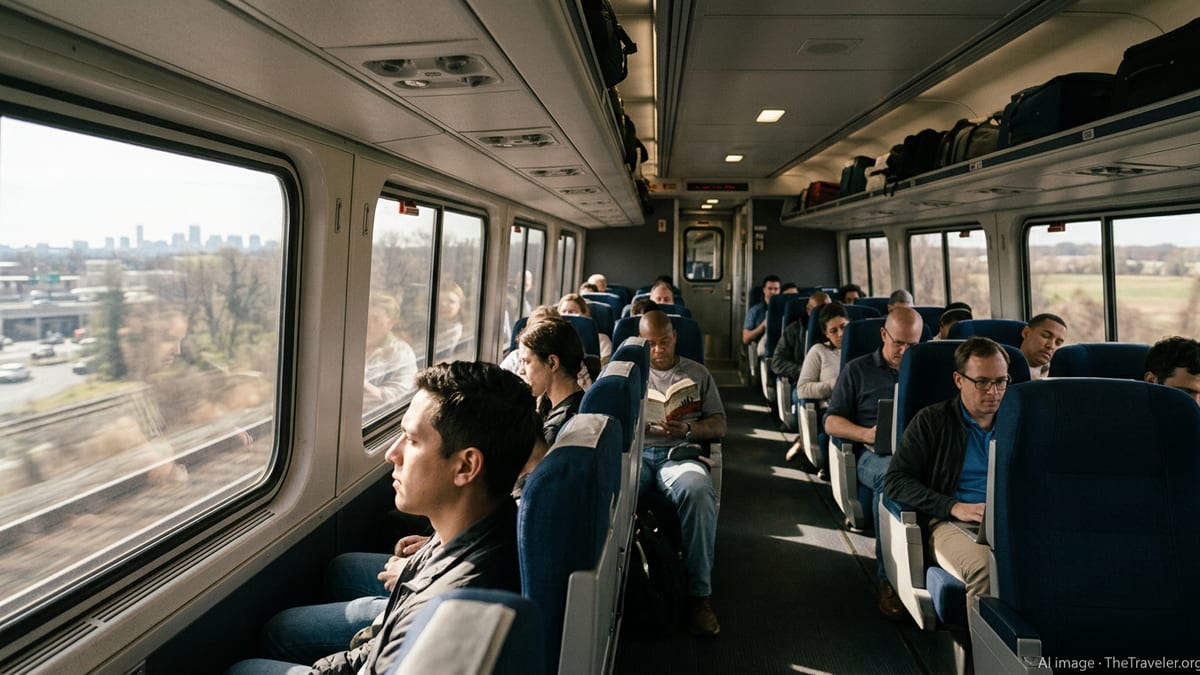
Lines between Paddington and Heathrow brought to a standstill
Published reports indicate that a grass fire close to the railway in the London Paddington area led to a failure of the electricity supply and the blocking of all lines between Paddington, Heathrow Terminals and Reading on Saturday 5 September 2026. National Rail information described the incident as causing major disruption, with services cancelled, heavily delayed or revised across the route.
The interruption affected three of the principal operators connecting central London with Heathrow Airport: Great Western Railway, Heathrow Express and the Elizabeth line. According to National Rail’s service-disruption summary, trains on these routes were unable to operate normally after the incident was reported shortly after 16:30 local time, with disruption initially expected until around 19:15.([nationalrail.co.uk](https://www.nationalrail.co.uk/service-disruptions/southall-20260905/?utm_source=openai))
Coverage in UK media described departure boards at Paddington appearing blank as services were cut back into the evening, leaving passengers bound for the airport and for destinations along the Great Western Main Line searching for alternative routes. Reports from travel outlets characterised the situation as a complete halt to direct rail access between central London and Heathrow during the peak of the disruption.([britainpost.com](https://www.britainpost.com/news/major-disruption-as-grass-fire-halts-all-trains-to-heathrow-airport?utm_source=openai))
The incident came during a busy late-summer travel weekend, intensifying the impact on international travellers relying on fast rail connections to reach flights at one of the world’s busiest hubs. Heathrow’s own travel updates page also highlighted severe disruption affecting Heathrow Express and Elizabeth line services, advising passengers to allow extra time for journeys.([heathrow.com](https://www.heathrow.com/transport-and-directions/traffic-and-travel-updates?utm_source=openai))
Alternative routes and replacement options for stranded passengers
National Rail’s customer guidance set out a series of ticket acceptance arrangements designed to help passengers reach Heathrow and other destinations while the main line was blocked. Travellers holding Elizabeth line tickets were able to use London Underground services via reasonable routes, as well as selected bus and main line rail alternatives across the capital and the wider region.([nationalrail.co.uk](https://www.nationalrail.co.uk/service-disruptions/southall-20260905/?utm_source=openai))
The advice highlighted London Buses between Paddington and Heathrow Terminals, West Drayton and Abbey Wood, along with South Western Railway services between London Waterloo and Reading. Additional acceptance applied on Chiltern Railways between London Marylebone and High Wycombe, Docklands Light Railway by reasonable routes, Southeastern services between central London terminals and Abbey Wood, and Thameslink between Farringdon and Abbey Wood.([nationalrail.co.uk](https://www.nationalrail.co.uk/service-disruptions/southall-20260905/?utm_source=openai))
For airport-bound travellers, these workarounds often meant adding extra interchanges and journey time to already complex itineraries. Travel coverage noted that some passengers opted to switch to road-based options such as taxis, private transfers or coaches, in some cases incurring additional cost in order to protect flight departures. Others re-routed via the London Underground’s Piccadilly line, which provides an alternative tube connection to Heathrow but can take longer than the dedicated rail services.([heathrow.com](https://www.heathrow.com/transport-and-directions/traffic-and-travel-updates?utm_source=openai))
Rail information services also reminded customers to retain tickets and keep a note of disrupted journeys, as many operators offer delay compensation where passengers arrive significantly later than planned. This is likely to be relevant for long-distance Great Western Railway customers whose trains were cancelled or curtailed at Reading and other intermediate points because of the line blockage.([nationalrail.co.uk](https://www.nationalrail.co.uk/service-disruptions/southall-20260905/?utm_source=openai))
Extent of damage and progression toward service recovery
According to the National Rail incident summary, the grass fire next to the track triggered a failure of the electricity supply in the Paddington area, which in turn blocked all lines between the London terminus, Heathrow and Reading. This kind of infrastructure impact typically requires engineers to wait until the fire is fully out and the area declared safe before inspecting equipment, repairing cabling or hardware, and testing the system for a safe return to service.([nationalrail.co.uk](https://www.nationalrail.co.uk/service-disruptions/southall-20260905/?utm_source=openai))
By Sunday 6 September, follow up coverage indicated that services had resumed and the earlier disruption affecting Heathrow Express, the Elizabeth line and Great Western Railway had formally ended. Broadcasters reported that trains were running again, although residual delays and altered stopping patterns are common after a prolonged closure, particularly on a busy main line corridor with tightly timed services.([itv.com](https://www.itv.com/news/london/2026-09-06/trains-resume-services-after-disruption-from-fire-near-london-paddington?utm_source=openai))
The rapid shift from widespread suspension on Saturday to a more normal pattern by Sunday morning suggests that the damage to railway infrastructure, while significant enough to halt services, was limited enough to allow relatively swift repairs. Publicly available information so far has focused on the operational impact rather than detailed technical findings about the cause of the fire or the specific components affected.
Travel analysts note that the incident adds to a sequence of recent rail disruptions around Heathrow, including earlier episodes related to signalling faults, points failures and other infrastructure issues on the airport approaches. While those events were not linked to Saturday’s grass fire, together they highlight the sensitivity of Heathrow’s rail access to localised problems on a constrained section of network.([nationalrail.co.uk](https://www.nationalrail.co.uk/service-disruptions/heathrow-airport-20260624/?utm_source=openai))
Implications for air passengers and future resilience
The suspension of Heathrow Express and Elizabeth line services removed the fastest rail links between central London and the airport during the disruption window, forcing many passengers to rely on slower or less direct alternatives. For long haul travellers facing fixed check in and security cut off times, even short additional delays can jeopardise flight connections, potentially leading to missed departures and complex rebooking processes.
Tourism and aviation observers point out that London’s position as a global hub depends heavily on reliable surface access to its main airports. When that access is interrupted at short notice, knock on effects can be felt across airline punctuality, passenger satisfaction and onward connections, particularly for visitors unfamiliar with the city’s wider transport network.
The grass fire near Paddington has also renewed attention on the vulnerability of key rail corridors to lineside fires in dry conditions. Similar incidents elsewhere in the UK have in recent years led to blocks on busy routes while fire services and railway engineers tackle vegetation fires and inspect infrastructure for heat or smoke damage. In heavily trafficked urban rail environments, even relatively small fires can have outsized operational consequences.
While the precise origin of Saturday’s blaze has not yet been detailed in official summaries, the episode is likely to feed into broader discussions about vegetation management along key approaches to major transport hubs such as Heathrow, as well as contingency planning to maintain some level of through connectivity when trackside incidents occur.
What travellers should do if disruption returns
For passengers planning upcoming trips through Heathrow, recent events underline the value of checking live transport information before setting out for the airport. National Rail, Transport for London and Heathrow all maintain real time updates on service status, which can provide early warning of emerging problems on rail links between Paddington and the terminals.([heathrow.com](https://www.heathrow.com/transport-and-directions/traffic-and-travel-updates?utm_source=openai))
Travellers are also advised in published guidance to build additional time into journeys during periods of unsettled weather, heightened wildfire risk or known engineering work on the Great Western Main Line. Allowing an extra buffer can provide more flexibility to switch to alternative routes, whether via the Underground, coach services or road based transfers, if rail problems develop at short notice.
Those with flexible tickets or rail passes can often re plan to use alternative lines accepted during disruption, while passengers on advance purchase fares may need to check individual operator policies on rebooking and delay compensation. Keeping digital copies of tickets and confirmation emails can simplify claims if arrival at Heathrow or at onward rail destinations is significantly delayed.
For now, publicly available information shows that normal services have resumed following the grass fire near Paddington, with Heathrow Express, the Elizabeth line and Great Western Railway again operating between central London, the airport and Reading. However, the severity of Saturday’s disruption and the sudden loss of a crucial airport corridor are likely to keep this incident in focus for both transport planners and frequent travellers weighing up the resilience of different ways of getting to Heathrow.([itv.com](https://www.itv.com/news/london/2026-09-06/trains-resume-services-after-disruption-from-fire-near-london-paddington?utm_source=openai))