


More news on this day
Greece is preparing a 200‑million‑euro investment in its regional airports through 2030, a move designed to unlock new air connectivity, support record visitor numbers, and cement the country’s place among Europe’s leading tourism destinations.
Get the latest news straight to your inbox!
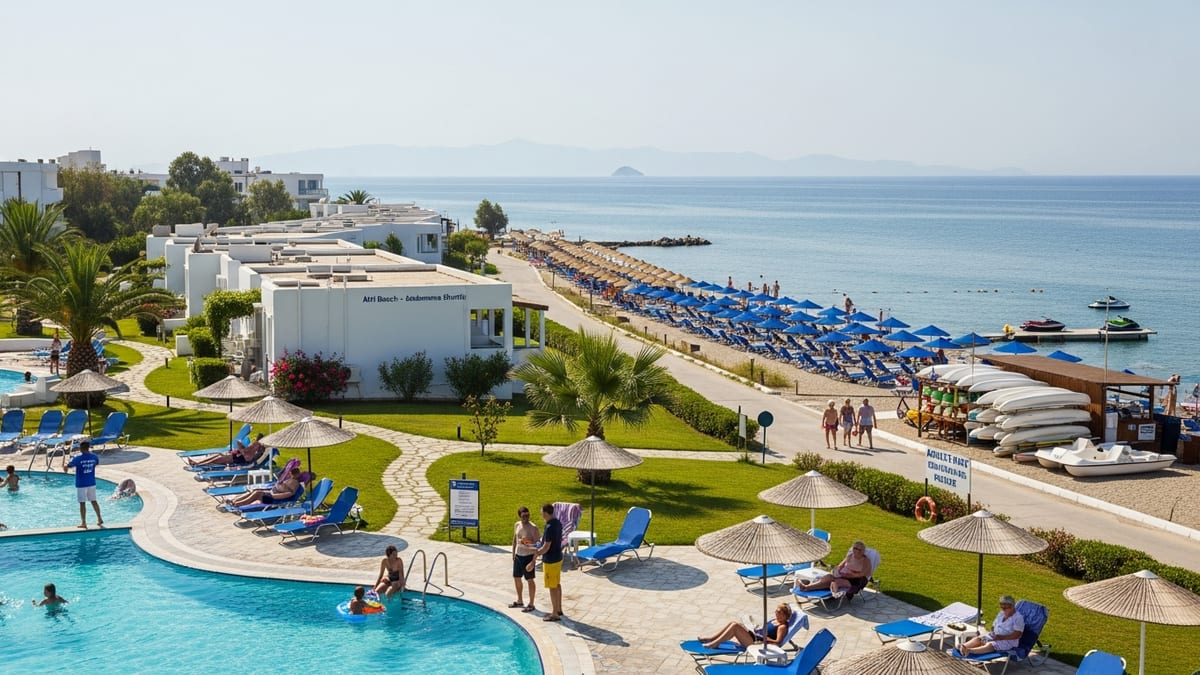
New Funding Round Targets Capacity, Safety and Passenger Experience
According to recent coverage from Greek aviation and business outlets, the government’s regional airport investment program is scheduled to run through 2030 and is valued at approximately 200 million euros. The initiative focuses on improving infrastructure at key gateways that handle the bulk of the country’s holiday traffic, many of which already operate near or above pre‑pandemic levels of demand.
Reports indicate that the program will prioritize new and expanded terminal buildings, runway and taxiway upgrades, modernized security screening, and improved firefighting and safety systems. The stated aim is to create “future‑ready” facilities capable of handling higher passenger volumes during peak summer months while maintaining operational reliability year‑round.
Greek transport and tourism analyses note that the 14 regional airports managed under concession agreements have emerged as critical hubs for island and coastal destinations. In 2025 these airports collectively welcomed around 37 million passengers, a historic high that has reinforced the urgency of fresh capacity and quality‑of‑service investments.
Sector observers add that the 200‑million‑euro program is designed to dovetail with existing concession‑driven upgrades at regional airports, ensuring that public policy and private capital work in tandem to avoid bottlenecks that could limit tourism growth.
Strengthening Greece’s Position in Europe’s Competitive Tourism Market
Publicly available tourism data for Greece show that the country attracted tens of millions of international visitors in recent seasons, placing it among the most visited destinations in Europe. Regional airports serve as the primary entry point for holidaymakers headed directly to islands such as Corfu, Kos, Mykonos and Santorini, which collectively capture a substantial share of summertime arrivals.
Analysts stress that the latest airport investment package is part of a broader effort to shield Greece’s tourism economy from capacity constraints and seasonal pressures. By expanding and modernizing regional gateways, policymakers seek to support longer seasons, spread demand across more destinations, and maintain service standards that match or exceed competing Mediterranean markets.
Industry commentary highlights that improved airside and landside facilities can also help Greece attract higher‑spending segments, from long‑haul travelers to conference and event delegates. Enhanced terminal layouts, faster processing times and upgraded amenities are viewed as essential to sustaining visitor satisfaction and encouraging repeat travel in an increasingly competitive landscape.
The investment plan arrives as tourism‑related infrastructure across Europe faces scrutiny over resilience, environmental impact and local community pressures. Within this context, Greece’s focus on upgrading existing airports rather than relying solely on new construction is being interpreted as an attempt to balance growth with more efficient use of established assets.
New Connectivity and Trade Opportunities for the Regions
A key objective of the 200‑million‑euro program is to unlock new air routes connecting regional Greece to additional European and Middle Eastern markets, as well as to strategic long‑haul hubs. Aviation reports suggest that improved facilities and greater capacity can make regional airports more attractive to full‑service and low‑cost carriers considering seasonal or year‑round routes.
Tourism and investment promotion agencies in Greece consistently frame air connectivity as a catalyst not only for leisure travel but also for trade, logistics and real estate activity. Better air links are expected to support export‑oriented agrifood producers, facilitate high‑value cargo for island regions, and make it easier for international investors and business travelers to access secondary cities.
Local development studies further argue that regional airports function as anchors for broader economic ecosystems, generating employment both directly and indirectly through hospitality, transport, construction and retail. The new investment package is projected to create jobs in airport works during the implementation phase and to sustain longer‑term employment as traffic grows.
Improved connectivity may also help mitigate regional disparities within Greece by channeling visitor flows to lesser‑known destinations that currently struggle with limited flight options. Travel industry observers point to growing interest in alternative islands and mainland coastal areas, where upgraded airports could help diversify the country’s tourism map beyond the most saturated hotspots.
Synergy with Major Flagship Airport Projects
The 200‑million‑euro regional airport initiative is unfolding alongside several flagship aviation projects that are reshaping Greece’s broader air transport landscape. Athens International Airport is pursuing a multiyear expansion valued at around 1.3 billion euros, aimed at boosting capacity toward 40 million passengers by the early 2030s and reinforcing its role as a southeastern European hub.
On Crete, the new international airport at Kastelli has been cited in infrastructure briefings as a landmark development for one of Greece’s most visited islands. The facility is designed to handle millions of passengers annually once fully operational, with modern terminal infrastructure and an extended runway capable of serving a wider range of aircraft types and long‑haul services.
Private concessionaire Fraport Greece has separately outlined additional investments of around 200 million euros across several of the 14 regional airports it manages, including at Kos, Corfu, Mykonos and Santorini. These projects focus on further capacity increases and operational enhancements following an earlier wave of upgrades completed in recent years.
Observers note that, taken together, these public and private initiatives form a layered investment strategy across Greece’s airport network. The regional 200‑million‑euro program sits within this broader context, ensuring that smaller gateways are not left behind as major hubs scale up and as the country prepares for continued tourism and traffic growth.
Balancing Growth, Sustainability and Community Concerns
While the new investment plan is broadly framed around growth and competitiveness, aviation and tourism analysts also emphasize the importance of sustainability and local impact. Regional airports often sit close to residential areas and environmentally sensitive coastlines, and there is growing scrutiny across Europe of how increased air traffic affects emissions, noise and land use.
Greek policy documents and corporate disclosures from airport operators increasingly reference energy‑efficient building design, upgraded waste and water systems, and the integration of renewable energy sources into airport operations. The new funding cycle is expected to incorporate such elements, with a focus on lowering operating costs and reducing environmental footprints.
Community stakeholders in popular destinations have raised concerns in recent years about overtourism, including pressure on housing, public services and natural resources. Infrastructure planners argue that better‑designed airports can help manage visitor flows more effectively, improving safety and passenger handling while enabling local authorities to plan more accurately for peak periods.
For now, the 200‑million‑euro regional airport program is being viewed by tourism and transport experts as a strategic attempt to align Greece’s aviation infrastructure with demand trends that show little sign of easing. As airlines finalize their route maps for upcoming summer seasons, the success of this initiative is likely to be measured not only in passenger numbers, but also in how effectively it supports sustainable tourism, regional development and Greece’s long‑term positioning as a top European destination.