


More news on this day
Once overshadowed by bigger-name destinations such as Beijing and Shanghai, the southwestern province of Guizhou is rapidly emerging as one of China’s most compelling places for travelers seeking adventure, cultural depth, and crowd-light serenity.
Get the latest news straight to your inbox!
A Mountain Province Turns Tourism Powerhouse
Recent tourism figures and local development plans indicate that Guizhou is shaking off its reputation as an overlooked, inland region and repositioning itself as a national tourism leader. Research using provincial data shows that Guizhou received more than 630 million visitors in 2023, with tourism revenue exceeding 740 billion yuan, reflecting strong double-digit growth and a clear shift toward services and experience-based travel.
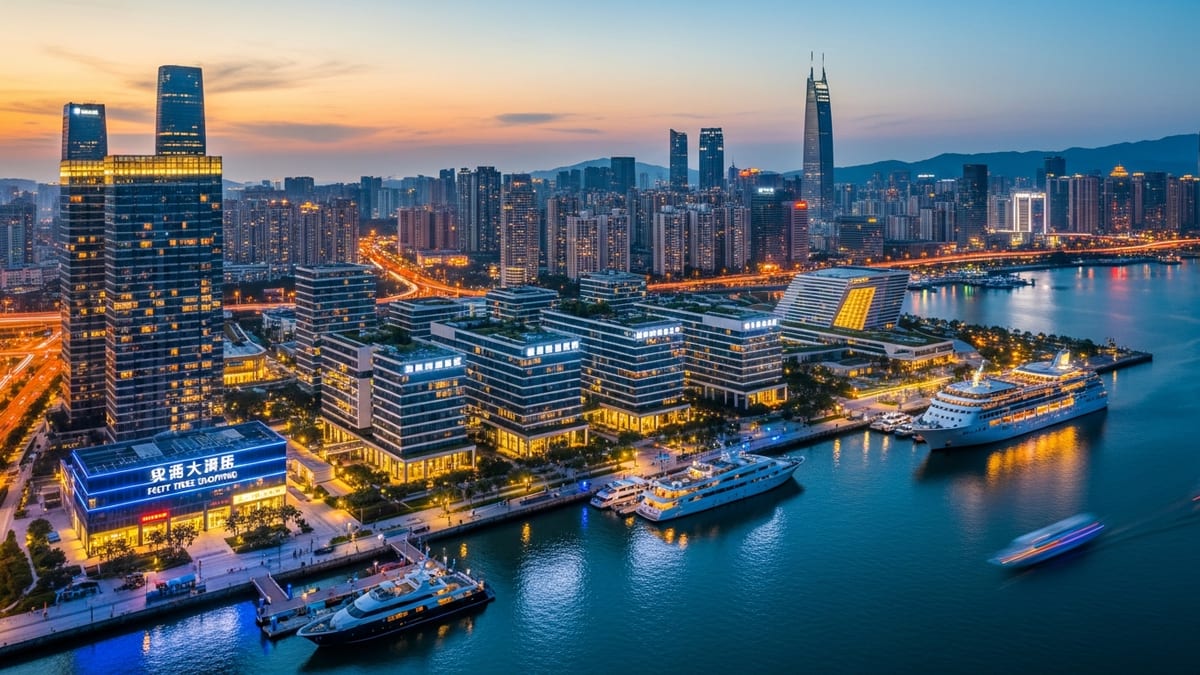
Guiyang, the provincial capital, is at the center of this transformation. Publicly available statistics from the city’s culture and tourism authorities show that Guiyang welcomed around 147 million visits in 2023, including more than 31 million overnight visitors, with year-on-year increases above 60 percent. During the 2024 Lunar New Year and May Day holidays, booking data from major Chinese travel platforms highlighted Guiyang among the country’s most popular city-break and summer-escape destinations, underlining Guizhou’s new visibility on national travel maps.
The growing tourism economy is also reshaping the wider province. County-level areas such as Kaiyang, Xiuwen, and Qingzhen have been recognized in national rankings for their comprehensive tourism strength, reflecting investment in scenic areas, hot springs, rural guesthouses, and cultural attractions. Analysts note that this shift is helping diversify income in a province long associated with heavy industry and out-migration, while positioning Guizhou as a model for inland regions seeking to link tourism with rural revitalization.
High-Speed Access to Wild Landscapes
One of the key factors behind Guizhou’s rise is the rapid build-out of its transport network, which is turning once-remote valleys, karst plateaus, and minority villages into weekend-accessible destinations. High-speed rail projects over the past decade have woven Guizhou into national east–west and north–south corridors, and more recent lines are tightening the net around the province’s interior.
The opening of the Panzhou–Xingyi high-speed railway and other new routes has connected every prefecture-level city in Guizhou to China’s high-speed rail system, cutting travel times between provincial hubs and neighboring regions to just a few hours. Complementing these trunk lines, Guiyang’s expanding urban rail and loop railway infrastructure has strengthened its role as a gateway city, allowing travelers to land or arrive by train and transfer relatively quickly to mountain areas known for hiking, canyoneering, caving, and river trips.
Improved access is particularly significant for Guizhou’s adventure tourism sector, which relies on dramatic but previously hard-to-reach terrain. Scenic areas around Xingyi, Anshun, Bijie, and Libo are promoting canyon hikes, karst peak treks and glass-skywalk viewpoints, while organized events such as the Wanfenglin Half Marathon and climbing festivals have helped brand Guizhou as a natural arena for endurance sports and outdoor enthusiasts. Industry studies on mountain tourism in the province note that these activities are increasingly integrated with homestays, local-food experiences, and cultural performances, extending visitor stays and spending.
Ethnic Culture and Slow-Travel Villages
Beyond the mountains and waterfalls, Guizhou’s multicultural character is central to its appeal. The province is home to a dense mosaic of ethnic minority communities, including Miao, Dong, Buyi, and others, whose festivals, silver jewelry, drum towers, and stilted wooden houses have long drawn domestic tourists. Public coverage of national tourism trends indicates that Guizhou’s combination of cool climate, rural scenery, and minority culture has become a mainstay of online travel campaigns within China.
Flagship destinations such as Xijiang Miao village and Zhaoxing Dong village now receive steady tour-bus traffic, with renovated streets, folk-performance stages, and handicraft markets designed for visitors. At the same time, smaller settlements and lesser-known valleys in southeast and northwest Guizhou are attracting travelers looking for more low-key experiences, including homestays in traditional houses, village hikes, and participation in seasonal farming or embroidery workshops.
Observers note that this growth raises sensitive questions about cultural authenticity and commercialization, a topic widely discussed in both Chinese and international media. In Guizhou, local governments and tourism operators are increasingly positioning cultural tourism as a tool for poverty reduction and heritage preservation, highlighting initiatives that channel ticket income into village infrastructure, language programs, and the training of local guides and artisans. For many visitors, this evolving balance between staged performance and living culture is itself part of the province’s complexity and interest.
Serenity, Climate Refuge, and Eco-Tourism
Guizhou’s natural environment is another major component of its new travel identity, especially as heatwaves push more domestic tourists to seek cooler summer destinations. Meteorological and tourism bodies have recognized Guiyang as a “meteorological tourism city,” citing an average summer temperature just above 22 degrees Celsius and relatively stable, humid conditions that make the city and surrounding hills attractive as a long-stay retreat.
Data from 2024 campaigns such as the “Cool Guiyang” summer program show rising numbers of visitors booking extended stays of a month or more to escape hotter plains and coastal cities. During these stays, travelers often combine urban comforts with day trips to lakes, tea plantations, forest parks, and hot-spring resorts, blending light activity with a slower, wellness-oriented pace that differentiates Guizhou from more frenetic sightseeing circuits in eastern China.
Beyond the capital, caves, waterfalls, and national parks across the province underpin a growing eco-tourism narrative. Sites such as Zhijin Cave, featuring vast underground halls, and the dramatic Huangguoshu Waterfall region have become emblematic of Guizhou’s karst geography. Environmental policy statements and academic assessments emphasize efforts to control visitor numbers in fragile zones, promote off-peak travel, and encourage low-impact transport, although implementation can vary by site. For travelers seeking quiet hiking, photography, and star-gazing far from megacities, these measures add to Guizhou’s reputation as a place where adventure and serenity can coexist.
From National Secret to International Discovery
For now, Guizhou’s tourism boom is driven largely by domestic travelers, but indicators suggest that international awareness is starting to build. Reports on inbound travel flows around China’s 2024 National Day holiday noted that Guiyang ranked among the country’s top destinations for foreign visitors, supported by increased air links and the broader reopening of China’s borders.
Travel influencers, independent bloggers, and specialized tour operators are amplifying Guizhou’s profile in English and other languages, often describing it as a “hidden gem” or “underrated province” that combines some of the landscapes of neighboring Yunnan and Guangxi with fewer crowds and lower prices. Social-media posts highlight night markets, hotpot-style local cuisine, and impromptu roadside concerts in Guiyang, as well as mist-filled rice terraces and early-morning drum rituals in mountain villages.
Industry analysts argue that Guizhou now stands at a turning point, with infrastructure, digital exposure, and domestic demand converging to push it toward the global stage. If ongoing efforts to manage environmental impact, protect cultural heritage, and improve foreign-language services continue, the province is well positioned to move from being a national favorite to a staple of international itineraries for travelers seeking adventure, culture, and a quieter side of China.