


More news on this day
Thousands of passengers across the United Kingdom have been left stranded or facing long waits as a fresh wave of disruption hits air travel, with publicly available data indicating around 1,092 delays and 58 cancellations affecting services operated by British Airways, KLM, Lufthansa, Aer Lingus and several other carriers at major airports including London, Birmingham, Manchester, Newcastle upon Tyne and Norwich.
Get the latest news straight to your inbox!
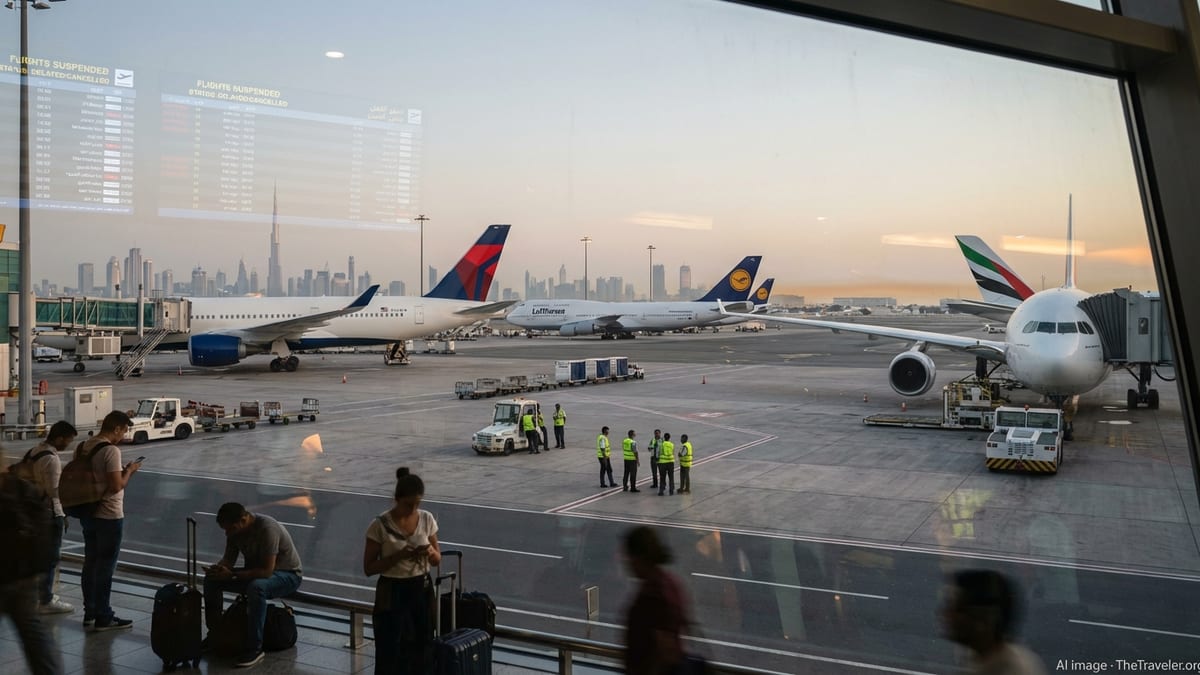
Wide-Scale Disruption Across UK Airport Network
Aggregated flight-tracking and passenger-rights monitoring platforms show a sharp spike in delays and cancellations across the UK network on 4 June 2026, with disruption concentrated at some of the country’s busiest hubs. Services into and out of London, Birmingham, Manchester, Newcastle upon Tyne and Norwich have been particularly affected, with pressure felt throughout the day as morning and early afternoon schedules slipped behind.
British Airways, KLM, Lufthansa and Aer Lingus feature prominently among the disrupted carriers, alongside a mix of European and low-cost airlines operating domestic and short-haul routes. The impact has been most visible at large hubs such as London Heathrow and Manchester, but smaller airports including Newcastle and Norwich have also reported cancellations on key domestic sectors, compounding difficulties for travellers attempting to make onward connections.
Operational data suggests that the 1,092 delays recorded span everything from relatively minor schedule slips to multi-hour holdups that push flights into the late evening. The 58 outright cancellations have left passengers scrambling for alternative options during one of the busier travel periods heading into the peak summer season.
Passengers Face Missed Connections and Overnight Stays
The scale of the disruption has translated into significant knock-on effects for travellers, particularly those connecting through major UK hubs to long-haul destinations. Reports from consumer forums and social media indicate that many passengers on delayed European feeder flights operated by KLM and Lufthansa have missed onward transatlantic or Middle Eastern connections, sometimes by narrow margins.
In cities such as Manchester and Birmingham, where passengers rely on hub links for access to global networks, the combination of delayed departures and tight connection windows has proved especially challenging. Missed connections can lead to reroutings via third-country hubs or overnight stays, as airlines work within limited spare capacity to accommodate disrupted customers on subsequent services.
Some Aer Lingus customers travelling between regional UK airports and Ireland are also reporting schedule changes and cancellations as the carrier continues to adjust its UK operations and long-haul programme. These changes add another variable for passengers attempting to piece together multi-leg journeys that rely on smooth coordination between different airlines and alliance partners.
Lingering Route Suspensions Add Pressure to Summer Schedules
The latest disruption comes as several airlines continue to operate under constrained long-haul networks, especially on routes affected by geopolitical tensions in the Middle East. British Airways has recently confirmed that the suspension of its London Heathrow to Dubai service will now extend into late October 2026, a key business and leisure route that would usually absorb a significant share of demand between the UK and the Gulf region.
Industry analysis notes that rerouting around sensitive airspace, along with the loss of some direct connections, has been placing additional stress on remaining long-haul services. Flights that would previously have benefitted from direct routings now face longer flight times and more complex operational planning, which can reduce schedule resilience when unforeseen problems arise elsewhere in the network.
Lufthansa and KLM have also been operating in a challenging environment, juggling crew and aircraft availability while responding to fluctuating demand and changing operational constraints. When multiple carriers experience disruption on the same day, spare capacity that might normally be used to rebook stranded passengers quickly becomes scarce, prolonging queues at service desks and limiting same-day recovery options.
UK Airports Already Struggling With Punctuality
The latest wave of delays and cancellations is unfolding against a backdrop of wider punctuality concerns at several major UK airports. Recent performance data for 2025 indicated that Manchester and Birmingham were among the worst-performing UK airports for average departure delays, with both recording departure hold-ups approaching or exceeding 18 minutes on average.
At hubs such as Heathrow, Gatwick and Manchester, even modest additional strain can quickly ripple through the system. Once early morning departures run behind schedule, aircraft and crew can remain out of position for the rest of the day, creating the sort of rolling delays now being reported across domestic and European networks.
For smaller airports such as Newcastle and Norwich, a single cancellation on a key domestic route can have an outsized impact. With fewer daily frequencies and limited alternative services, travellers who lose their original booking may face long waits for the next available seat, particularly during school holidays and peak travel days.
What Stranded Travellers Can Do
Passenger-rights organisations are highlighting that many travellers affected by today’s disruption may be entitled to assistance, and in some cases financial compensation, under UK and EU air passenger regulations. Eligibility typically depends on factors such as the length of the delay, the cause of the disruption and whether the affected flight is departing from or arriving in the UK or European Union.
Guidance from consumer advocates generally suggests that affected passengers should retain boarding passes, booking confirmations and any written notices from airlines outlining reasons for delays or cancellations. These documents can be important when seeking reimbursement for additional expenses or when submitting claims for statutory compensation where regulations apply.
Airlines including British Airways, KLM, Lufthansa and Aer Lingus are advising customers to check the latest status of their flights through official apps or flight-status tools before travelling to the airport, and to make use of digital rebooking options where available. For those already stranded at airports across London, Birmingham, Manchester, Newcastle upon Tyne and Norwich, the priority remains securing confirmed seats on replacement services as carriers work to stabilise schedules following an exceptionally disruptive day for UK air travel.