


More news on this day
The Dutch-flagged expedition vessel Hondius has departed Tenerife for Rotterdam after a widely watched hantavirus evacuation, renewing scrutiny of how the cruise sector manages fast-moving infectious disease threats at sea and in port.
Get the latest news straight to your inbox!
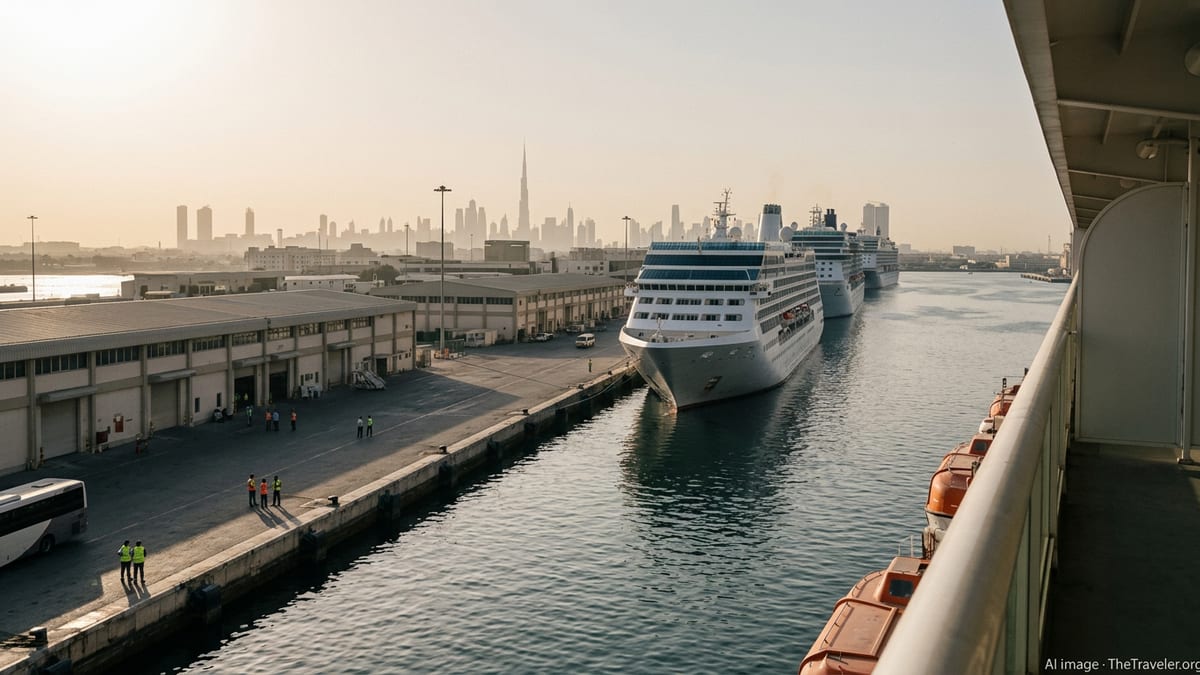
From Emergency Port Call To Northbound Transit
The Hondius, operated by Oceanwide Expeditions, reached the industrial port of Granadilla on Tenerife on May 10 following an outbreak of Andes hantavirus that left at least three people dead and several others infected or under investigation. Publicly available timelines from European health agencies indicate that the vessel had spent days at sea after initial cases were detected, with confirmed infections linked to earlier stops in the South Atlantic and to passengers who disembarked before the scale of the outbreak was understood.
Reports from Spanish and international media describe an intensive 36-hour operation in Tenerife to offload passengers and most crew, screen them, and move them into repatriation and quarantine arrangements spanning more than 20 countries. The Spanish operation effectively transformed the Hondius from a crisis-laden cruise environment into a largely empty transit vessel crewed by a reduced team tasked with returning the ship to its home region.
According to information published by the United Nations Office at Geneva and the European Centre for Disease Prevention and Control, the final groups of passengers left the Canary Islands on specially arranged flights early in the week, while about 30 essential crew members and a small number of health workers remained on board. With the evacuation phase complete and port facilities disinfected, the Hondius sailed for Rotterdam, where it is expected to undergo extensive decontamination and technical inspections.
Regional coverage from Tenerife indicates that the ship left Granadilla on Monday afternoon local time, taking with it the body of at least one passenger who died on board, for transfer and further procedures in the Netherlands. The onward voyage to Rotterdam, estimated at around five days, now serves as the closing chapter of the shipboard emergency but the opening chapter of a wider review of maritime health safeguards.
Andes Hantavirus Outbreak Raises Unusual Alarm
The pathogen at the center of the Hondius incident, the Andes variant of hantavirus, is a relatively rare cause of severe respiratory illness, historically linked to rodent exposure in parts of South America. Public health briefings from European and global agencies emphasize that most hantaviruses do not spread easily between humans. However, the Andes form has been associated with limited person-to-person transmission in close-contact settings, which explains the heightened concern around a confined environment such as a cruise ship.
Published risk assessments from the European Centre for Disease Prevention and Control describe at least seven confirmed cases associated with the Hondius outbreak, along with additional suspected infections across multiple countries. The timeline reconstructed by these agencies shows symptom onset and fatalities beginning in early April, weeks before the vessel’s emergency diversion toward Cape Verde and then Tenerife. The evolving case count, combined with the potential for secondary transmission among close contacts, has prompted a broad international tracing effort.
While current evaluations by European health bodies classify the overall risk to the wider European population as low, the combination of a high-fatality virus, confined quarters and international passenger flows has revived memories of earlier cruise-linked health crises. Commentaries in specialist health outlets note that this is one of the first documented situations in which a cruise vessel has had to manage an outbreak of a pathogen with documented human-to-human transmission potential beyond the better-known respiratory viruses.
The Hondius episode is also prompting fresh public attention to questions that epidemiologists have raised for years, including how quickly emerging infections can be recognized at sea, how information is shared across borders, and how decisions are made about where to disembark potentially exposed travelers when medical resources differ sharply between ports.
Tenerife’s Operation Showcases Port And Community Tensions
In Spain’s Canary Islands, the arrival and rapid turnaround of the Hondius has become a flashpoint for political debate and community unease. Local and national coverage highlights disagreements between regional leaders in the islands and Spain’s central government over whether Tenerife should have been designated the primary evacuation port after Cape Verde was ruled out as insufficiently equipped for the emergency.
Residents and business owners in Tenerife expressed concerns about a repeat of disruptive pandemic-era episodes, as images circulated of passengers and crew in protective gear disembarking at Granadilla. Commentaries in Spanish media describe a mix of anxiety and resignation among locals who rely heavily on tourism yet remain sensitive to the health risks of receiving ships with active outbreaks.
Port officials in Santa Cruz de Tenerife have publicly defended the handling of the Hondius operation, characterizing the 36-hour evacuation and disinfection effort as a success and arguing that established contingency plans functioned as intended. Statements summarized in regional outlets point to comprehensive sanitation of port areas and routine pest-control measures, downplaying alarmist speculation about risks such as infected rodents leaving the vessel.
The contrast between these reassurances and the visible scale of the emergency response underlines the complex balance port communities must strike between economic dependence on cruise traffic and their role as front-line responders when maritime health incidents escalate. For Tenerife, the Hondius crisis has become a test case in managing that balance under intense domestic and international scrutiny.
Rotterdam Faces Technical, Legal And Reputational Questions
As the Hondius heads toward Rotterdam, attention is shifting to what will happen once the vessel reaches Dutch waters. Information shared by Dutch and international outlets suggests that the ship is expected to undergo thorough cleaning and disinfection, along with detailed inspection of its air-handling, water, and waste-management systems. Operators and regulators are also expected to review how medical and isolation facilities were used and whether any structural modifications are necessary before the vessel can return to commercial service.
The Dutch-flagged status of the Hondius means that authorities in the Netherlands will play a central role in determining when and how the ship can re-enter the market. Published coverage in European media indicates that Oceanwide Expeditions has not yet confirmed whether upcoming voyages will proceed as scheduled, signaling that a reassessment of itineraries and passenger information policies is likely.
Legal analysts quoted in open-source commentary note that the Rotterdam phase could involve complex questions of liability and compensation, spanning travel insurance, package tour regulations and potential claims related to illness and disruption. The multinational composition of passengers and crew adds additional layers, as courts and regulators in several countries may examine how risks were disclosed and managed once the outbreak was suspected.
Reputational considerations are also in play. The Hondius traditionally serves the expedition market, with itineraries to remote destinations that appeal to travelers seeking adventure and wildlife encounters. Whether that niche positioning cushions the brand impact, or instead heightens concerns among risk-aware clients, will likely depend on how transparent the company and Dutch authorities are perceived to be in the coming weeks.
Broader Implications For Cruise Health Protocols
Beyond the fate of a single ship, the Hondius outbreak is already feeding into a wider conversation about global cruise safety. Analysts tracking the sector point out that, since the COVID-19 pandemic, operators have invested heavily in protocols for common respiratory pathogens, but may be less prepared for rarer infections that require different diagnostic tools, specialist consultation and quarantine durations measured in weeks rather than days.
Guidance documents emerging from European and international health agencies in recent days highlight the need for cruise companies to enhance surveillance for unusual clusters of severe illness and to maintain clearer lines of communication with national focal points when suspected cases arise on itineraries spanning multiple jurisdictions. The Hondius situation, with cases traced to passengers who had already disembarked in several countries, illustrates how delays in recognition can complicate both shipboard response and onshore containment.
Travel-industry observers suggest that the incident could accelerate moves toward more standardized international rules on infectious-disease management at sea, including pre-agreed evacuation ports, minimum onboard medical standards and robust contingency planning for long-haul repatriation. Some commentaries compare the current response to high-profile cruise outbreaks in the previous decade, arguing that while coordination has improved, the Hondius case reveals persistent gaps in preparedness for less familiar threats.
For prospective passengers, the visible intensity of the Tenerife operation and the ship’s solitary journey to Rotterdam may influence perceptions of safety long after the vessel has been disinfected. Publicly available information indicates that health authorities continue to view overall community risk as low, but the episode underscores how quickly an isolated medical event can reshape the narrative around cruise tourism, particularly when it involves a virus with serious outcomes and complex transmission dynamics.