


More news on this day
A freight train derailment in Bensalem Township, Pennsylvania, prompted a major hazmat response and temporary shelter-in-place orders this week, briefly halting travel and alarming communities along a busy suburban rail corridor.
Get the latest news straight to your inbox!
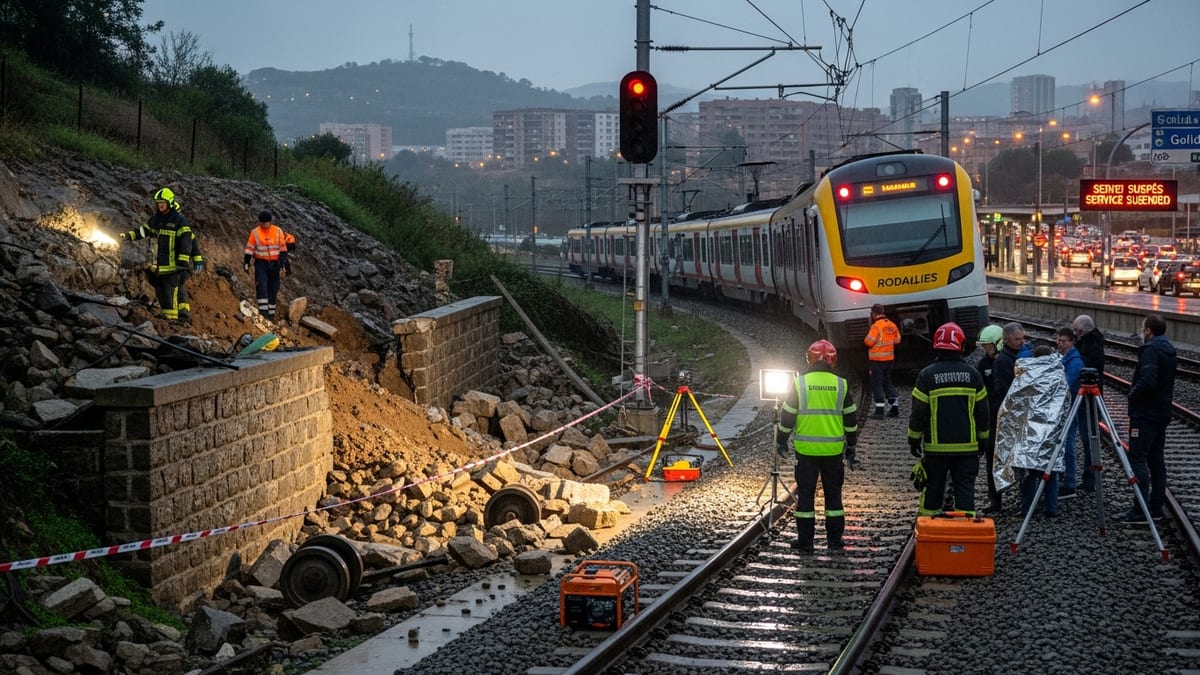
Derailment Near Neshaminy Falls Sparks Emergency Response
The derailment occurred Tuesday afternoon, June 30, between Street Road and the Neshaminy Falls station in Bucks County, on a key freight route that runs parallel to residential neighborhoods and commercial strips. Multiple reports describe more than a dozen freight cars leaving the tracks, some toppling onto their sides along the right of way.
Images and video circulating in regional coverage show railcars scattered beside the tracks near the Bensalem and Feasterville area, with several tank cars among those derailed. Initial concerns focused on whether any of the cars were carrying hazardous materials that could leak or ignite, leading to a rapid expansion of the emergency perimeter around the site.
Local broadcasts and online updates indicate that fire, police, medics, and specialized hazardous-materials teams converged on the area within minutes. Drone and helicopter footage documented dense clusters of emergency vehicles along Old Lincoln Highway and nearby access roads, underscoring the scale of the operation.
According to publicly available information from local newsrooms, the derailment did not involve a passenger service, though commuter operations in the corridor were affected while crews assessed the scene.
Shelter-in-Place and Evacuation Orders for Nearby Residents
Out of precaution, residents around the incident zone received urgent alerts instructing them to stay indoors or evacuate, depending on their proximity to the tracks. Coverage from Philadelphia-area outlets describes a shelter-in-place order extending over portions of Bensalem Township and adjacent neighborhoods, accompanied by warnings about potential health effects from exposure to certain industrial chemicals.
Notifications sent to phones and public-alert systems referenced the risk of breathing difficulties, irritation to eyes and airways, and other symptoms that could result if hazardous vapors were released. Some residents reported door-to-door visits by first responders advising them to leave their homes or businesses closest to the derailment site.
Reports indicate that the most restrictive orders remained in effect for roughly two hours while hazmat teams sampled air quality and inspected damaged tank cars. Once crews determined there was no active leak or immediate danger to the wider community, evacuation zones were reduced and the shelter-in-place directive was lifted.
Residents were later advised to continue avoiding the railroad right of way and surrounding work areas as cleanup operations continued into the night and following day.
Hazardous Materials Concerns and Rail Cargo Details
Publicly available accounts from local media and community observers indicate that several derailed cars were believed to be carrying industrial chemicals, including at least one shipment identified as isopropyl alcohol. The presence of tank cars marked with hazmat placards prompted the activation of specialized hazardous-materials units from Bucks County and neighboring jurisdictions.
Hazmat technicians conducted field monitoring around the site, using handheld detectors and fixed sensors to test for flammable vapors and other airborne contaminants. Regional reporting states that no significant hazmat leak was ultimately detected, a conclusion that allowed officials to scale back the response from a worst-case scenario.
While early speculation raised fears of a large-scale spill similar to past rail incidents in the region, subsequent assessments suggested that the train’s hazardous cargo remained contained. Cleanup efforts have focused on ensuring that none of the railcars’ contents reach nearby drainage channels or residential properties, with environmental contractors brought in to support the work.
Freight operators and federal rail regulators are expected to review manifests and onboard data recorders as part of a broader inquiry into what the train was hauling and how safely those materials were secured.
Travel Disruptions and Impact on Regional Rail Service
The derailment’s location in a heavily traveled corridor created immediate delays for both freight and commuter rail services. Published coverage notes that commuter trains using adjacent tracks suspended operations for a period on Tuesday, leading to cascading delays for riders traveling between Philadelphia and communities in Bucks County and beyond.
Transit alerts described temporary shutdowns on at least one regional line while inspectors verified track integrity and ensured that overhead power infrastructure, signals, and switching equipment were not compromised by the derailed freight cars. Replacement bus services and detours were deployed in some cases until partial rail operations could resume.
For drivers, the incident added further congestion as roads near the scene were closed to allow heavy equipment and emergency vehicles to stage. Motorists encountered lane reductions and detours on key approaches to the Neshaminy Falls area, adding time to already busy late-afternoon and evening commutes.
By Wednesday, local reports indicated that commuter rail service had largely resumed, although some riders continued to experience residual delays as crews worked to fully clear the site and repair any track damage.
Ongoing Cleanup, Investigation, and Safety Debate
As of early July, cranes, specialized rail-recovery equipment, and environmental contractors remain active at the Bensalem derailment site. The focus has shifted from initial life-safety concerns to the complex work of rerailing or cutting up damaged cars, removing debris, and restoring the track bed for full rail operations.
Publicly available information suggests that federal investigators and railroad safety specialists are gathering data on track conditions, train speed, and mechanical performance at the time of the derailment. Findings from that investigation are expected to inform any future recommendations on infrastructure improvements or operating practices along the corridor.
The incident has sharpened an ongoing debate over the risks posed by freight trains carrying hazardous materials through suburban and urban communities. Commentaries in regional outlets and online forums highlight resident frustration about recurring derailments in Pennsylvania and neighboring states, along with calls for tighter safety standards, more transparent cargo disclosures, and strengthened emergency planning.
For travelers and residents alike, the Bensalem derailment is another reminder of how quickly a transportation corridor can shift from routine to disruptive, turning a familiar rail line into the center of a large-scale hazmat response and testing the resilience of local infrastructure and emergency systems.