


More news on this day
Passengers using East Midlands Railway are being urged to check before they travel, as high temperatures across England trigger heat-related speed restrictions and timetable changes on several of the operator’s key routes.
Get the latest news straight to your inbox!
High Temperatures Lead to Speed Restrictions
National Rail service updates indicate that hot weather is affecting East Midlands Railway services at the start of the week, with temperatures forecast to exceed 30 degrees Celsius in parts of the country. The conditions have prompted warnings of potential disruption, especially during the warmest parts of the day, as rail infrastructure comes under additional strain.
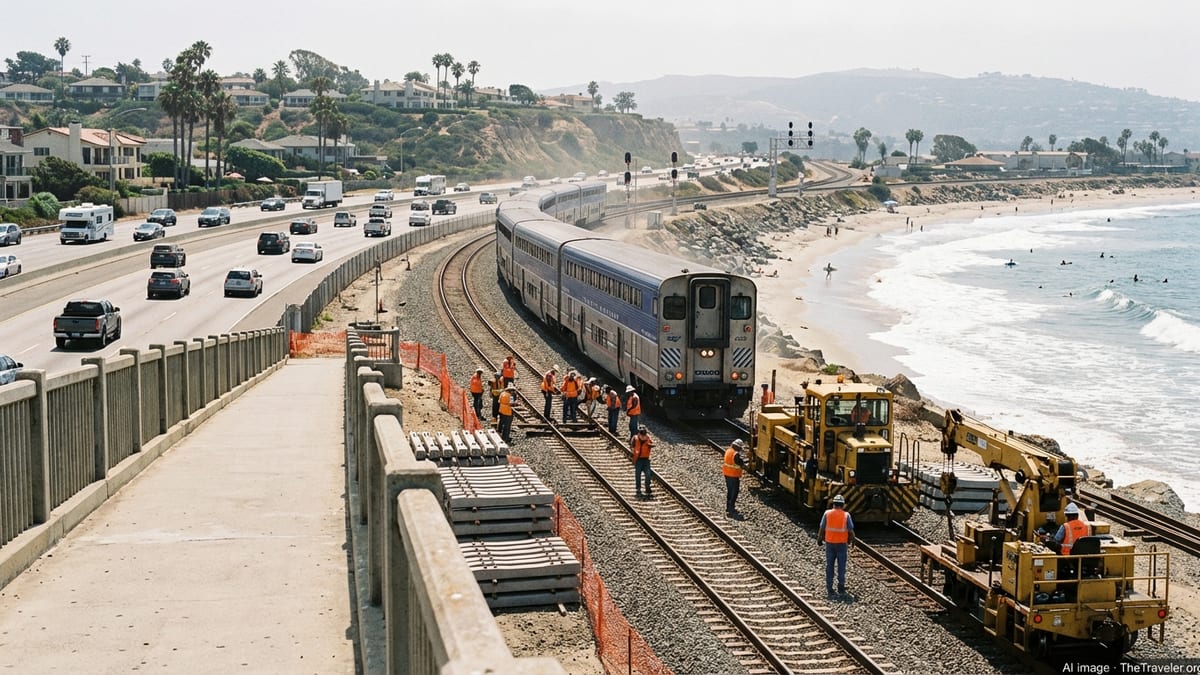
Published information explains that high heat can cause rails to expand and, in some cases, buckle, while overhead lines may sag. These factors reduce the safe maximum speed for trains, leading to the introduction of temporary speed restrictions. As a result, some services take longer than scheduled, and operators may adjust timetables to keep trains and staff operating within safety limits.
Guidance from industry bodies highlights that such weather-related restrictions are now a routine part of rail operations during prolonged warm spells. The aim is to keep as many trains running as possible, even if journey times increase and some services are removed from the timetable to maintain reliability.
Network-wide information on disruption lists the East Midlands among the regions where heat is expected to have an effect over several days, reflecting a wider pattern of heat-related adjustments across England’s railways.
Timetable Changes and Affected Routes
According to the latest disruption summary from National Rail, various East Midlands Railway routes are subject to alteration while the hot weather persists. The changes primarily affect mainline and regional services where infrastructure is most exposed, including stretches of track with overhead electrification and busy intercity corridors.
Passengers are being advised that journey planners may be updated at short notice to reflect slower running times and revised departure patterns. This can mean fewer trains per hour on some routes, extended journey times, or minor retimings that shift departures by several minutes. On certain flows, particularly those intersecting with other operators, recommended routes may temporarily change to maintain connections.
Timetable information for the current May to December 2026 timetable period shows that East Midlands Railway’s base schedule remains in place, but the Published Timetable of the Day can override planned times when emergency measures are needed. This mechanism allows the industry to publish a single, definitive version of the timetable each day that accounts for weather, engineering work, and other short-term constraints.
Passengers travelling on early morning and late evening services are being warned that these trains may be particularly susceptible to late adjustments, as operators seek to recover from delays that build up during the hottest hours of the afternoon.
Passenger Advice: Check Before You Travel
Publicly available travel advice across the rail network strongly encourages East Midlands Railway customers to check for the latest information before setting out. Journey planners and station departure boards are being used to display real-time alterations, including cancellations, short-notice retimings, and any replacement road transport where that is put in place.
Guidance for affected journeys typically includes allowing extra time, especially when making connections between different train operators. Where alternative routes are available, information shows that passengers may be directed to use other operators’ services for part of their journey, with ticket acceptance arrangements activated to keep people moving.
Industry material on weather planning emphasises that some disruption is expected during periods of extreme heat, and passengers are being encouraged to carry water, prepare for potentially busy trains, and consider travelling at quieter times of day if possible. Vulnerable travellers, including those with underlying health conditions, are advised to pay close attention to both transport and public health alerts.
For those with advance tickets, rail operators generally indicate that customers can often use earlier or later trains on the same route when conditions cause widespread timetable changes, though passengers are being urged to verify the latest terms for their specific ticket type.
Heat Alerts and Wider Network Pressures
The timetable changes on East Midlands Railway come against a backdrop of escalating heat-health alerts across England. Recent updates from public health agencies have shifted several regions, including the East Midlands, into higher alert levels as temperatures climb, underscoring the broader impact of the heatwave on infrastructure and public services.
Rail industry safety documents show that the network has long-standing protocols for managing weather-related risks, including heat, heavy rain, and high winds. When temperature thresholds are reached, signallers and control teams work with infrastructure managers to introduce local or route-wide speed limits, reduce the number of trains, and redeploy staff to monitor key assets such as junctions, bridges, and heavily used main lines.
Technical guidance describes how steel rails expand as temperatures rise, increasing the risk of track misalignment, while concrete and ballast structures can be stressed by prolonged heat. Combined with the possibility of lineside fires in dry vegetation, these factors justify a more cautious operating pattern, even when the level of disruption may be frustrating for passengers.
Reports from recent summers suggest that high temperatures are becoming a more frequent challenge for Britain’s railways, reinforcing calls within the sector for continued investment in monitoring technology, upgraded materials, and long-term climate resilience planning.
Outlook for East Midlands Railway Passengers
For now, publicly available forecasts and industry updates indicate that the hot spell is expected to persist for several days, meaning timetable changes and speed restrictions on East Midlands Railway could remain in place in the short term. Service patterns are likely to evolve day by day, depending on how temperatures develop and how infrastructure responds.
Network planning information shows that further timetable alterations are already scheduled later in July for engineering works elsewhere on the network, which may overlap with any ongoing weather-related disruption. Passengers are therefore being urged to pay particular attention to journeys involving connections or weekend travel, when planned works often intensify.
While the current focus is on managing immediate heat-related risks, strategic documents from East Midlands Railway and industry partners point to ongoing efforts to improve reliability through new timetables, upgraded trains, and targeted infrastructure improvements. These measures are intended to provide a more robust service over time, even as extreme weather events become more common.
In the meantime, the central message for travellers is to stay informed, plan ahead, and be prepared for changes at short notice as East Midlands Railway and the wider network navigate another period of heat-driven disruption.