


More news on this day
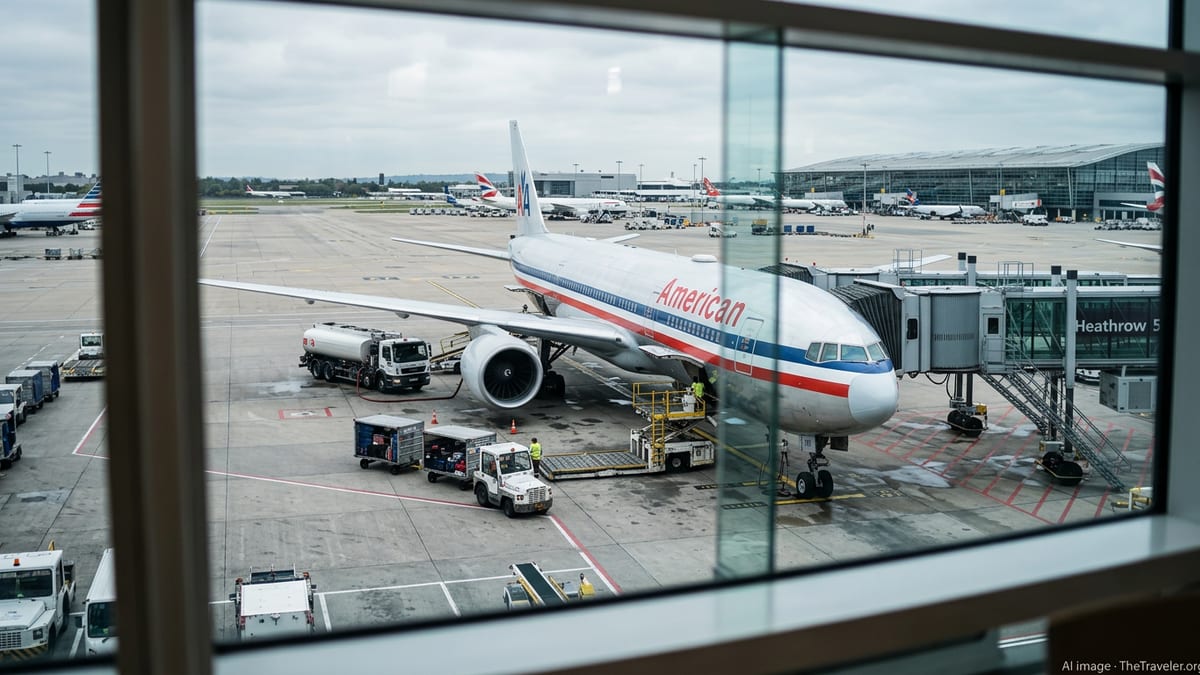
Passengers at London Heathrow Airport faced hours of disruption as British Airways, Kuwait Airways, Emirates and TAP Air Portugal services were hit by a wave of delays and cancellations affecting key long-haul and European routes.
Get the latest news straight to your inbox!
Wide-Ranging Disruption Across Carriers
Operational data and live flight tracking on Tuesday indicate that a total of 111 delays and five cancellations affected services linked to Heathrow, with routes to Dubai, Kuwait City, Lisbon and New York among those disrupted. The problems impacted departures and arrivals across several terminals, creating knock-on effects for connecting travelers and crowding gate areas as schedules slipped.
Reports from publicly available flight status boards show that British Airways bore a significant share of the delays, with its Heathrow hub particularly sensitive to small timetable changes that quickly cascade through the day. Services to New York and Lisbon experienced extended ground holds and revised departure times, while some inbound flights arrived late, forcing aircraft and crew rotations to be reshuffled.
Kuwait Airways, Emirates and TAP Air Portugal also saw affected operations, with delayed departures from Heathrow and onward disruptions visible across their networks. Flight-status platforms tracking Kuwait Airways and Emirates services between Dubai, Kuwait City and Heathrow indicated late-running operations and at least one cancellation on a regional leg feeding into long-haul schedules.
The combination of high summer demand, tight turnaround windows and capacity constraints at one of Europe’s busiest hubs intensified the impact, leaving passengers facing uncertain departure times and missed onward connections.
Key Routes to Dubai, Kuwait City, Lisbon and New York Hit
According to flight-tracking services, routes linking Heathrow with Dubai and Kuwait City experienced substantial disruption, with both British and Gulf carriers affected. Kuwait Airways services between Dubai and Kuwait City, which feed into long-haul departures serving London, showed at least one cancelled sector, cutting an important link in the regional network and forcing rebookings for travelers heading to and from the United Kingdom.
Emirates operations through Dubai, a major transit point for passengers connecting to Asia, Africa and Australasia, also showed delays on services tied to London and onward destinations. Publicly available information indicates that changes to connecting times and retimed departures in Dubai added to the uncertainty for passengers whose journeys began or ended at Heathrow.
On the European side, British Airways and TAP Air Portugal flights connecting Heathrow and Lisbon were affected by schedule changes and late departures. Tracking tools monitoring the BA500 Heathrow to Lisbon service and the BA509 return sector between Lisbon and London highlighted how even modest delays can create a ripple effect when aircraft are scheduled for multiple rotations in a single day.
Transatlantic connections to New York were similarly impacted, with late-running arrivals from European and Middle Eastern points tightening connection windows at Heathrow. Publicly available timetables and historical punctuality data from aviation regulators illustrate how delays on high-frequency routes such as London to New York can quickly spread across an airline’s network when turnaround times are compressed.
Operational and Network Factors Behind the Disruption
While no single cause explains all 111 delays and five cancellations, aviation analysts point to a mix of operational pressures contributing to the latest disruption at Heathrow. Industry guidance on schedule reliability highlights common factors including air traffic control constraints, weather in different parts of a network, crew rostering limits and technical checks that must be completed before departure.
Recent explanatory documents from airlines, including British Airways, describe how crew duty-time rules and required rest periods can force cancellations when earlier delays push flights beyond legal operating limits. If an inbound aircraft arrives late because of weather or congestion en route, the crew may no longer be able to operate the planned onward sector, leading to last-minute timetable changes or the need to find replacement crew.
For Gulf and regional carriers such as Kuwait Airways and Emirates, complex hub-and-spoke networks mean that a cancellation or extended delay on a feeder flight, for example between Dubai and Kuwait City, can affect long-haul departures that rely on connecting passengers and aircraft rotations. Publicly available information on these routes shows that a single cancelled regional sector can force rerouting or overnight stays for travelers booked through to Europe.
Heathrow’s role as a tightly scheduled hub leaves little slack in the system when disruptions occur. Civil aviation punctuality statistics for the airport show that even relatively small average delays can cause a notable proportion of services to depart later than planned, particularly during peak hours when runway and gate capacity are fully utilized.
Impact on Passengers and Travel Plans
The immediate consequence for travelers was a day of extended waiting, missed connections and, in some cases, unexpected overnight stays. Social media posts and traveler forums described passengers held on aircraft awaiting departure slots, long lines at transfer desks and uncertainty over rebooking options as airlines juggled constrained capacity across their networks.
Guidance published by carriers such as British Airways outlines typical support measures when delays and cancellations occur, including rebooking onto the next available services, providing refreshments and, where required, arranging accommodation. However, traveler accounts frequently highlight the stress caused by limited information on evolving departure times, especially for those with critical onward connections or time-sensitive plans.
Routes to global hubs like Dubai and New York are heavily used by business travelers and long-haul leisure passengers, magnifying the impact of disruptions. Missed intercontinental connections can mean entire itineraries need to be replanned, often involving coordination with hotels, tour operators or onward airlines in multiple countries.
Some passengers reported turning to independent flight-tracking websites and airport apps to monitor the status of their flights when official updates were slow to appear. In previous disruption events at Heathrow, traveler reports have indicated that real-time data from third-party tools sometimes reflected changes before they were fully updated in airline systems, underscoring the challenge of maintaining consistent information flows during busy operational periods.
What Travelers Can Do if Their Flight Is Affected
Publicly available guidance from airlines operating at Heathrow emphasizes several practical steps for passengers caught up in widespread disruption. Travelers are typically advised to check the status of their flight frequently before leaving for the airport, using official airline channels and airport information boards, and to ensure contact details are up to date in their booking so that notifications can be received.
When delays stretch into several hours or when cancellations occur, airline customer-service policies generally allow for rebooking onto later flights, sometimes including services operated by partner carriers. Information provided by European and Middle Eastern airlines indicates that passengers may also be entitled to care such as meals, refreshments and hotel accommodation, depending on the length of the delay and the circumstances.
Travel experts often recommend keeping essential items, medications and valuables in carry-on baggage in case checked luggage is delayed due to aircraft swaps or missed connections. For complex itineraries involving multiple airlines, using a single ticket whenever possible can simplify rebooking, as it places responsibility for the entire journey with one primary carrier or alliance.
With Heathrow operating close to capacity on many days, the latest wave of delays and cancellations underlines the vulnerability of tightly timed global networks when disruptions occur at a major hub. For passengers, careful monitoring of flight status and an understanding of airline policies remain key tools for navigating an increasingly congested air travel environment.