


More news on this day
Travelers at Cleveland Hopkins International Airport faced fresh disruption on May 19 as regional affiliates of major U.S. carriers logged at least 25 delayed departures and seven cancellations, interfering with busy routes to Chicago, Nashville, Baltimore and New York, according to real-time tracking data and publicly available airline information.
Get the latest news straight to your inbox!
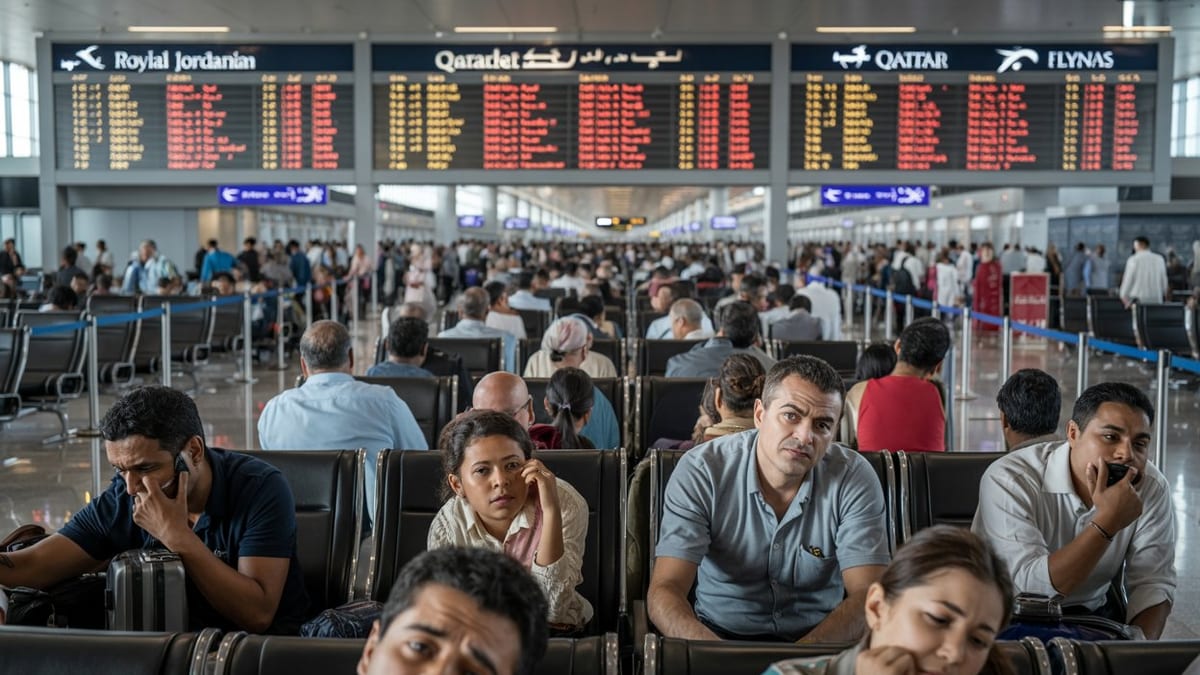
Regional Carriers at the Center of Cleveland Disruptions
Publicly accessible flight monitoring platforms show that a significant share of the operational impact at Cleveland Hopkins on May 19 involved flights operated by regional partners such as SkyWest and Envoy Air, along with services marketed by American Airlines and other large U.S. carriers. These operators handle many of the short and medium-haul routes that connect Cleveland with major hubs, which magnifies the effect when schedules begin to slip.
Although the total number of disrupted flights at Cleveland was modest compared with systemwide totals, the cluster of at least 25 delays and seven cancellations concentrated in a few key markets created outsized headaches. Routes to Chicago, Nashville, Baltimore and New York play a critical role in feeding passengers into national and international networks, meaning relatively small schedule changes can cascade into missed connections later in the day.
Tracking data indicates that some of the affected services were branded as American Eagle flights operated by Envoy Air, while others involved SkyWest-operated services under major airline codes. These regional flights typically use smaller aircraft and tighter turn times, leaving less margin to absorb upstream delays or airspace constraints elsewhere in the country.
Operational records and recent financial filings for regional airlines underscore how dependent these carriers are on complex scheduling agreements with their major partners. When weather, air traffic flow measures or crew-availability issues emerge at hub airports, the first wave of adjustments is often made on regional routes, which can translate into last-minute changes for travelers departing from cities like Cleveland.
Key Routes to Chicago, Nashville, Baltimore and New York Affected
Route-level data from flight tracking platforms on May 19 shows that several departures linking Cleveland with Chicago O’Hare were delayed, including flights marketed by American Airlines and operated by its regional affiliates. Services on this corridor are central to connecting Cleveland passengers with onward domestic and international itineraries, so even modest delays can reverberate through the day’s travel plans.
Published schedules also indicate schedule shifts and disruptions on services to New York-area airports, including LaGuardia, where a mix of congestion, air traffic control initiatives and tight turnaround windows frequently contribute to late departures. For passengers traveling from Cleveland to New York for same-day meetings or onward transatlantic flights, these delays can force last-minute rebooking or overnight stays.
Routes to Nashville and Baltimore, both important mid-continent and East Coast links, similarly saw interference. While these flights are typically shorter segments, they often serve as the first leg of longer journeys. Cancellations on these routes can strand travelers far from their final destination, especially when alternative options later in the day are already heavily booked.
Aviation data from across the U.S. on May 19 points to broader congestion at several major hubs, including Chicago and New York, with clusters of late-running arrivals and departures. When those conditions occur at multiple connection points simultaneously, spoke airports such as Cleveland Hopkins tend to experience a higher risk of short-notice schedule adjustments as carriers attempt to rebalance aircraft and crew.
National Strain on U.S. Airline Operations Provides Backdrop
The disruption in Cleveland came against the backdrop of a wider day of strain across the U.S. aviation network. Aggregated statistics from widely used flight-tracking services on May 19 indicated several thousand delayed flights and hundreds of cancellations nationwide, affecting a broad range of carriers from legacy airlines to low-cost operators.
Coverage from travel and aviation outlets described substantial clusters of delays at major hubs including Chicago, Atlanta, Denver, Los Angeles and New York, with secondary impacts spreading to mid-sized cities. In this context, Cleveland’s 25 delayed flights and seven cancellations reflect a localized manifestation of broader operational challenges rippling through the system.
Regional operators like SkyWest and Envoy Air, which fly under the banners of larger brands such as American, United and Delta, are especially vulnerable when large hubs experience weather or air traffic control restrictions. Their aircraft and crews cycle rapidly through multiple cities each day, so a disruption early in a rotation can throw off schedules across several states by evening.
Recent public filings from regional carriers have highlighted these sensitivities, pointing to pilot and crew availability, infrastructure limits at key hubs and evolving scope clauses with major airlines as factors that can constrain flexibility. On busy travel days, these structural pressures can surface quickly as visible delays and cancellations for passengers at airports like Cleveland Hopkins.
What the Disruptions Mean for Cleveland Travelers
For passengers departing or arriving at Cleveland Hopkins on May 19, the pattern of delays and cancellations translated into longer-than-expected waits at the gate and a heightened risk of missed connections at downline hubs. Travelers bound for Chicago or New York in particular faced tighter margins for making onward flights, while those heading to Baltimore and Nashville often had fewer same-day alternatives after cancellations.
Consumer-advocacy guidance and regulatory information suggest that passengers affected by significant delays or cancellations should carefully review airline policies on rebooking, meals and hotel accommodation, especially when disruptions are within a carrier’s control. Many airlines publish customer-service commitments outlining what support may be available, and some travelers may also be covered by credit-card travel protections or third-party insurance.
Experts in air-travel planning often recommend building extra connection time into itineraries that pass through congestion-prone hubs such as Chicago O’Hare or New York-area airports, particularly during peak seasons or when storms are in the forecast. The interference seen at Cleveland Hopkins on May 19 illustrates how quickly conditions at distant hubs can affect travelers even when local weather appears calm.
For Cleveland-based travelers with upcoming trips on SkyWest, Envoy Air, American Airlines and other carriers, monitoring flight status early and often on the day of departure remains one of the most effective strategies for reducing stress. Real-time tracking tools and airline mobile apps can provide timely indications of delays upstream in the aircraft’s schedule, giving passengers a better chance to adjust plans before issues escalate.
Ongoing Outlook for Summer Travel at Midwestern Hubs
The latest interference at Cleveland Hopkins arrives just as the U.S. air travel system moves into the busy late-spring and summer period, when passenger volumes typically climb and operational buffers shrink. Forecasts from industry analysts suggest that demand for domestic travel will remain strong, placing continued pressure on regional carriers that connect smaller cities with major hubs.
Midwestern airports tied closely to Chicago, including Cleveland, are expected to be particularly sensitive to thunderstorms, heat-related air traffic restrictions and staffing constraints in air traffic control facilities. When these factors converge, ripple effects often spread quickly along key corridors to and from Chicago, Nashville, Baltimore and New York.
Publicly available operational data from recent months shows that U.S. airlines and their regional partners have worked to restore schedules and rebuild staffing following earlier periods of disruption. However, recurring pockets of delays and cancellations, such as those seen at Cleveland Hopkins on May 19, indicate that the system remains vulnerable on high-demand days.
For now, travelers using Cleveland as either an origin or connecting point may wish to leave additional time between flights, book earlier departures when possible and keep a close eye on route performance to key hubs. As the summer season progresses, the experience at Cleveland Hopkins will likely serve as one of many indicators of how well airlines and regional affiliates manage mounting operational pressures across the national network.