


More news on this day
A small expedition cruise ship has made what regional operators describe as the first-ever port call at Old Harbor, a remote village on Kodiak Island in the Gulf of Alaska, marking a symbolic milestone for a community that has only recently begun positioning itself as a destination for visitors.
Get the latest news straight to your inbox!
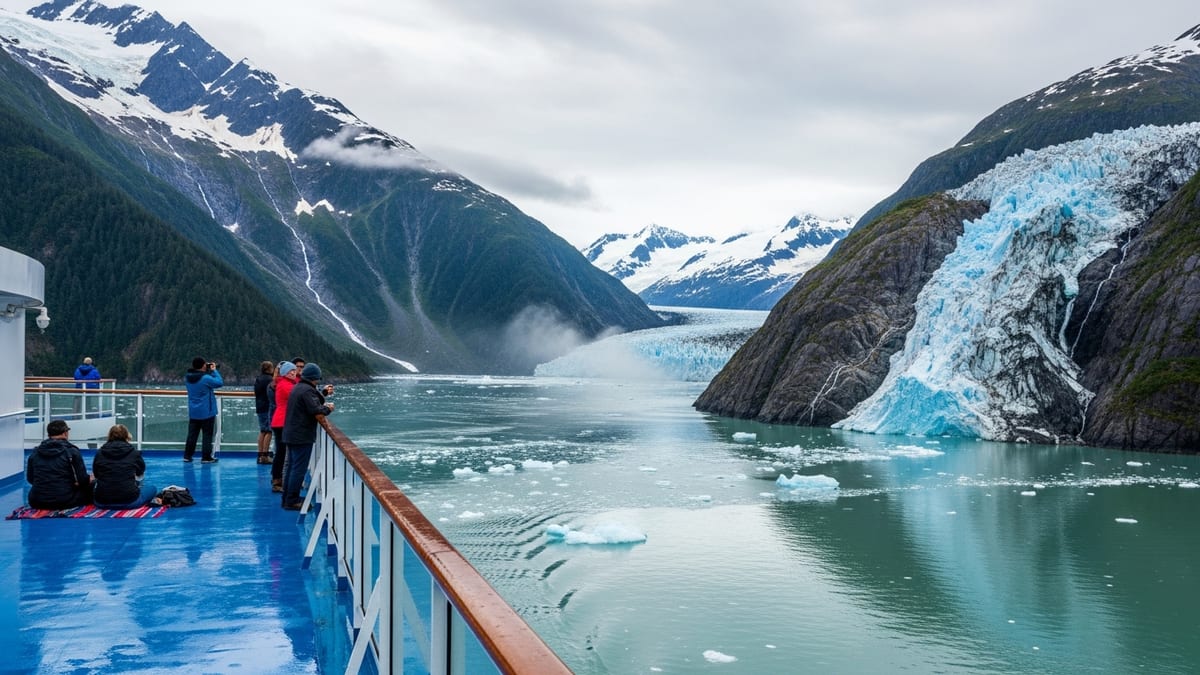
A Remote Kodiak Village Welcomes Its First Cruise Ship
Old Harbor, a settlement of roughly 200 residents on Kodiak Island’s southeast coast, has long been known for commercial fishing, subsistence harvests and its dramatic mountain backdrop rather than organized tourism. Publicly available information from state and local tourism resources lists no prior record of scheduled cruise-ship visits to the community, distinguishing the latest call as a first for the village.
The inaugural visit involved a small expedition-style ship rather than one of the mega-vessels that routinely call at larger Alaska ports such as Juneau, Ketchikan and Seward. Industry schedules indicate that the vessel was routed through Kodiak Island as part of a longer coastal voyage, with Old Harbor added as a new call alongside more established ports.
Regional coverage of cruise activity around Kodiak shows a sharp increase in ship traffic to the main city of Kodiak in recent seasons, but until now nearby communities like Old Harbor had remained off standard cruise itineraries. The new stop extends the reach of Alaska’s cruise network into a community that has, until recently, lacked the infrastructure and organized tour offerings considered necessary to handle paying passengers coming ashore.
Travel guides describe Old Harbor as one of Kodiak Island’s most picturesque villages, framed by steep green mountains and looking out toward Sitkalidak Strait, with wildlife-rich waters and access to nearby Flat Island, home to a major puffin colony. Those natural assets, combined with local cultural sites, appear to have made the village an attractive candidate for niche cruise programs seeking smaller, less crowded ports.
Community-Led Tourism Sets the Stage
The historic call did not occur in a vacuum. In recent seasons, local entrepreneurs and tribal members have been developing small-scale tourism products in Old Harbor, ranging from cultural outings to guided excursions on land and water. Reports on new businesses in the Kodiak region describe efforts to offer visitors intimate cultural tours and to expand access to lesser-known communities on the island.
Operators based in the area have begun marketing activities such as wildlife viewing, fishing charters, guided hikes and visits to historic Russian Orthodox sites, as well as opportunities to learn about Alutiiq culture. These offerings align closely with the interests of expedition-cruise guests, who typically seek deeper engagement with local communities and landscapes than is common on traditional big-ship itineraries.
Publicly available business and tourism listings show that Old Harbor now has outfitters capable of handling small groups, with tours that highlight everything from marine life and bird colonies to the village’s distinctive auto yard and Russian-influenced heritage. The emergence of this sector appears to have given cruise planners the confidence that passengers can disembark safely and find structured activities ashore.
The involvement of local guides and cultural practitioners is viewed by many tourism analysts as critical for ensuring that new cruise calls distribute benefits within the host community. In Old Harbor, the first ship visit is expected to act as a test case for how well existing businesses and infrastructure can absorb seasonal surges in visitor numbers, even if those numbers remain relatively modest.
Alaska Cruise Industry Pushes Into Smaller Ports
The arrival of a cruise ship in Old Harbor reflects a wider trend in Alaska, where operators are increasingly adding smaller communities to their itineraries. In recent years, ports such as Klawock on Prince of Wales Island and privately developed destinations like Icy Strait Point near Hoonah have demonstrated that compact, Indigenous-led or community-focused cruise ports can attract substantial passenger volumes.
Industry data and port schedules for the 2024 through 2026 seasons show continued expansion of Alaska’s cruise network, with more ships visiting mid-sized communities such as Kodiak and Dutch Harbor alongside the traditional Inside Passage circuit. Cruise lines are under pressure to diversify routes, reduce congestion in marquee ports and respond to travelers seeking less commercialized destinations.
Old Harbor’s first call illustrates how that expansion is moving into even smaller villages that can accommodate only a single small ship at a time. Rather than building large piers, some of these communities rely on tender operations or existing small-boat harbors, paired with limited but carefully curated shore excursions.
Tourism observers note that these new stops can help spread economic benefits more evenly across coastal Alaska, but they also introduce logistical challenges, from crowd management to emergency preparedness in locations that may not have full-time medical or port security staff. The Old Harbor call is likely to be closely watched as cruise lines evaluate how remote communities perform under the demands of even low-volume cruise traffic.
Opportunities and Concerns for Old Harbor Residents
For Old Harbor, the maiden cruise visit brings a mix of optimism and caution. Community members have expressed interest in new revenue sources to supplement fishing and seasonal work, and visitor spending on tours, locally prepared food and artwork could provide a welcome infusion of cash during the short summer season.
At the same time, planning documents and harbor assessments for Kodiak-area communities have highlighted aging infrastructure and the need for maintenance in small-boat harbors across the region. Old Harbor’s facilities are designed primarily for commercial and subsistence vessels, and local leaders have previously faced decisions about how to upgrade docks and waterfront services without compromising traditional uses.
Residents and tourism operators will have to consider how many cruise calls the community can realistically accommodate in a year, and what size of vessel remains compatible with local priorities. Experiences in other Alaska villages show that a gradual increase in small-ship visits, rather than a rapid jump to large-vessel traffic, tends to be easier to manage and more consistent with community-driven tourism goals.
Environmental stewardship is another concern. The waters around Old Harbor support salmon, halibut and marine mammals, and the area is known for seabird colonies. As cruise itineraries evolve, local and regional groups are expected to monitor impacts such as marine traffic, waste management and disturbance to wildlife, drawing on broader state and federal frameworks that govern ship operations in Alaska.
A Test Case for Future Itineraries
The successful completion of the first cruise call at Old Harbor is likely to influence how future itineraries are designed for Kodiak Island and the wider Gulf of Alaska. If passenger feedback is positive and operations go smoothly, more small-ship operators may consider adding the village as a niche stop, particularly those marketing immersive cultural and wildlife experiences.
Conversely, if infrastructure constraints or community pushback become apparent, Old Harbor’s role could remain limited to occasional visits. Industry analysts suggest that cruise planners are increasingly sensitive to local sentiment, as conflicts over crowding and waterfront development in other ports have drawn national attention in recent years.
For now, the historic visit underscores the continuing evolution of Alaska’s cruise sector, which has rebounded from the pandemic shutdown and is experimenting with new routes and partnerships. Old Harbor’s debut on the cruise map illustrates how even the smallest communities are being drawn into that story, using tourism on their own terms to showcase culture and landscape while testing the limits of what their harbors and shorelines can support.