

More news on this day
Millions of rail passengers across England are set to save a combined £600 million after the government implemented a landmark freeze on regulated fares for the first time in three decades, holding prices steady through a period of intense pressure on household budgets.
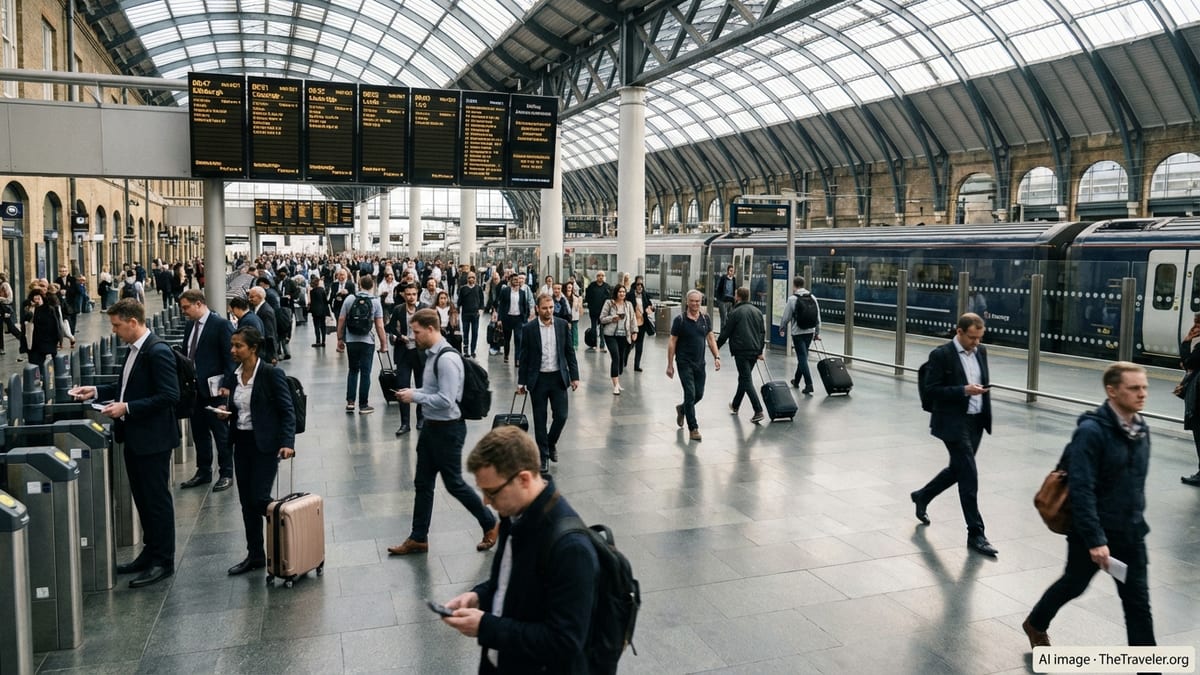
First Nationwide Rail Fare Freeze in a Generation
The Department for Transport confirmed that from the start of March 2026, regulated rail fares across England will be held at current levels, breaking with the long-standing pattern of annual increases. Officials describe the move as a decisive intervention to support travellers who have faced years of above-inflation rises in the cost of commuting.
The freeze covers standard class regulated products, including season tickets on most commuter routes, as well as peak-time and off-peak return tickets between major cities. According to government estimates, more than one billion journeys a year will benefit directly, making it one of the most far-reaching fare decisions in the modern history of the network.
Ministers argue that the policy is central to a wider strategy to rebuild confidence in the railway, attract passengers back after the pandemic and support a transition to a new Great British Railways structure. By halting price rises, they hope to make rail more competitive with the car at a time when many households are reassessing travel habits.
Industry bodies and passenger groups, long critical of complex tariffs and steady price hikes, have broadly welcomed the announcement. While campaigners continue to call for deeper reform of the fare system, they concede that a multi-year freeze is an immediate and tangible boost for regular travellers.
How the £600 Million in Passenger Savings Will Be Felt
Government modelling suggests that holding regulated fares at current levels through the 2026 to 2027 financial year will leave passengers around £600 million better off than if prices had followed previous patterns. The savings will be spread across commuters, business travellers and leisure passengers, with those on long-distance or high-cost commuter routes standing to gain the most in cash terms.
For many season ticket holders, the freeze effectively prevents increases that could have run into the hundreds of pounds a year on some intercity and long suburban routes. While individual savings will vary by journey, analysts say the policy will be particularly significant for people travelling daily into major employment hubs such as London, Manchester, Birmingham, Leeds and Bristol.
Leisure and occasional travellers are also expected to benefit, especially on popular intercity links where off-peak return tickets are regulated. By avoiding another round of rises, families booking day trips and weekend breaks by train should find prices more predictable when planning domestic holidays and short getaways.
Rail operators, who derive a substantial share of revenue from regulated products, will be expected to absorb the impact in partnership with the government. Officials insist that the freeze has been factored into wider funding settlements and will not compromise commitments to invest in rolling stock, reliability and punctuality.
What the Freeze Covers and Where the Limits Lie
The policy applies to regulated fares across England, including most standard class season tickets, standard anytime tickets and off-peak tickets on routes where prices are set by the government rather than by train companies. Child regulated fares are included, and existing discounts such as Railcards, pay-as-you-go capping in qualifying areas and other concessions will continue to apply to the frozen prices.
Unregulated fares, such as many first class tickets, certain advance purchase deals and some promotional offers, are not directly capped by the freeze. Operators may still adjust these prices, although they typically move in line with the broader fares environment. Officials say that, even where unregulated products change, the overall package should keep average rail travel costs lower than they would otherwise have been.
The measure also does not automatically cover journeys that are entirely within Scotland or Wales, where devolved governments are responsible for their own rail pricing policies. However, travellers whose routes cross the English border may still see benefits where segments are covered by the English regulated system.
Travel experts note that passengers will still need to navigate a complex fares landscape, with a patchwork of ticket types, operators and regional offers. The freeze, they argue, eases immediate financial pressure but does not by itself simplify a system that many find confusing when trying to secure the best value.
Boost for Domestic Tourism and Greener Travel
Tourism bodies and regional leaders see the freeze as an opportunity to promote rail-based travel across England’s cities, coastlines and countryside. With ticket prices held in check, destinations that rely on visitors arriving by train, from seaside resorts in the South West to historic cities in the North and Midlands, are hoping for a lift in short breaks and day trips.
For travellers weighing up whether to drive or take the train, static fares combined with volatile fuel costs could tilt decisions towards public transport, especially on congested intercity routes and into urban centres where parking remains expensive and limited. Rail operators are expected to pair the freeze with marketing campaigns that highlight value fares, advance purchase deals and railcard discounts.
The government has framed the freeze as part of its climate ambitions, arguing that making rail more affordable is essential to shifting journeys away from private cars. Environmental groups, while welcoming the price intervention, have called for parallel investment in capacity, reliability and electrification to ensure that the network can accommodate any long-term increase in demand.
Tourism analysts caution that the impact will depend on awareness. They say that clear communication from train companies, destination marketing organisations and local authorities will be crucial if potential visitors are to recognise that fares are being held, rather than assuming that prices have risen as usual each January.
What Passengers Should Do Now
Consumer advisers recommend that regular travellers review their existing tickets and travel patterns in light of the freeze. For those commuting at least three days a week between the same stations, season tickets remain a key option, with the knowledge that their price will not climb during the freeze period. Others who travel less frequently may benefit more from flexible products, off-peak tickets or advance deals layered on top of the static regulated prices.
Passengers are also being urged to make use of available tools, such as season ticket calculators and online journey planners, to compare options under the new pricing environment. While the freeze sets a ceiling on many fares, it does not eliminate differences between ticket types, times of day or booking horizons.
For the wider rail industry, the coming months will be a test of whether a rare pause in price rises can help rebuild trust after years of disruption, strikes and criticism over value for money. If passenger numbers respond positively, the freeze could strengthen the case for longer-term reforms that tie fare structures more closely to capacity, demand and the shift towards flexible working.
For now, millions of people planning daily commutes, weekend getaways or cross-country journeys can do so with an unusual degree of certainty: at least for the next year, regulated rail fares in England will not be going up.