


More news on this day
Dozens of flights moving through St. Louis Lambert International Airport were delayed as airline networks worked to recover from broader U.S. air-traffic disruptions and weather-related slowdowns that continued to cascade into Tuesday.
Get the latest news straight to your inbox!
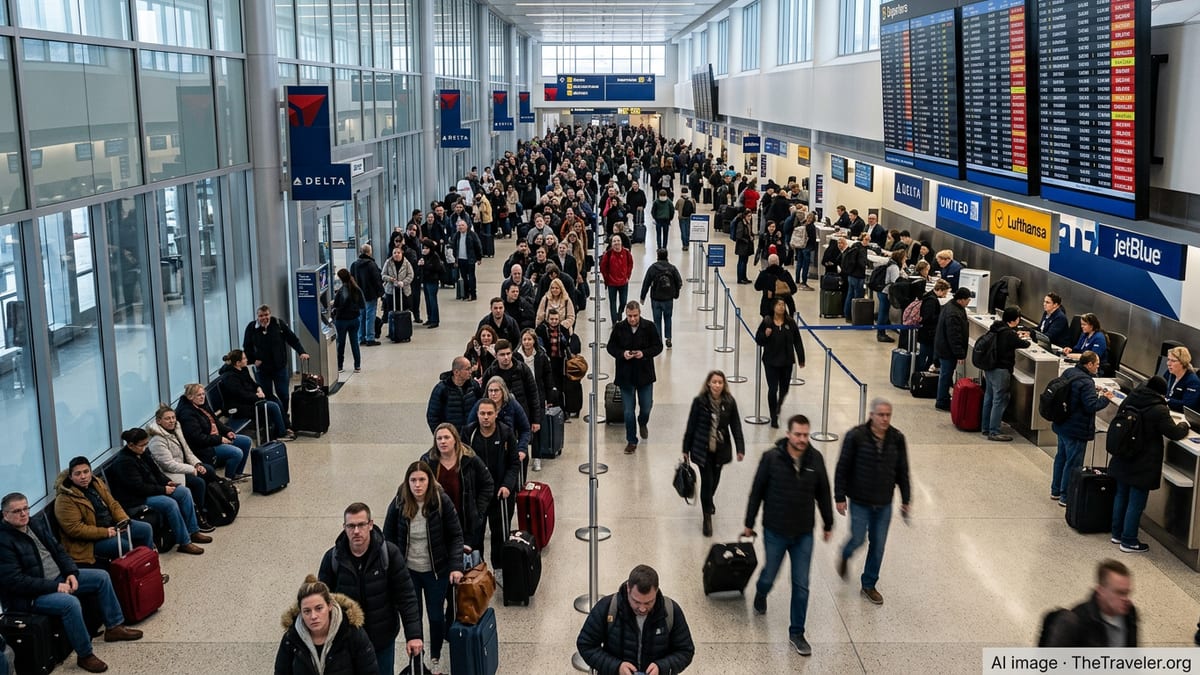
What travelers at Lambert are seeing
Published coverage on Monday, September 21, reported “dozens” of delayed arrivals and departures at Lambert, a reminder that disruptions in one part of the country can quickly snowball into schedule problems far from the original issue. Lambert’s flight-status page continued to show rolling delays as airlines updated departure times throughout the day.
By early Tuesday, public flight-tracking data showed a smaller but still noticeable number of irregular operations at Lambert, including delays and cancellations recorded for the day. That pattern is consistent with a recovery phase in which aircraft rotations, crews, and gate schedules are still being repositioned even after the initial disruption ends.
Lambert’s airport website also continued to point passengers to airline-specific updates and the airport’s flight-status tool, noting that posted information can change and travelers should confirm details with their carrier before heading to the terminal.
How Northeast air-traffic problems can reach St. Louis
National reporting indicated that a major driver behind Monday’s disruption was a failure involving communications lines at an air traffic control facility in Philadelphia, which affected flight operations across the Northeast and led to widespread cancellations and delays at major New York-area airports. Even after repairs, coverage noted it could take time to clear the backlog of delayed aircraft and displaced crews.
While St. Louis is not in the Northeast corridor, Lambert is tightly connected to the national network through banks of connecting flights. When aircraft and crews are delayed in one region, the resulting misalignment can trigger downstream late departures at outstations like St. Louis, especially on routes that rely on the same planes cycling through multiple cities in a single day.
Federal aviation planning guidance for Tuesday also highlighted multiple weather-related pressure points across the country, including potential thunderstorms in major hubs such as Atlanta, Charlotte, and parts of Florida, as well as low clouds in several other regions. When these constraints stack up, airlines can face compounded schedule recovery challenges, including late inbound aircraft arriving to Lambert.
Real-time status: FAA system view versus airport-by-airport reality
At the system level, the FAA’s public “Status and Delays” dashboard showed no nationwide ground delays, ground stops, or airport closure advisories at the time it was checked Tuesday. That can be confusing for travelers who are still seeing delays at the gate, but the difference often comes down to how the FAA posts advisories versus how airlines manage late aircraft and crew connections.
An airport can experience significant flight delays without being under an FAA-issued ground delay program or ground stop. If a carrier’s inbound flight is late, a departure may be pushed back even when airspace constraints have eased and federal dashboards appear clear.
For travelers, that means it is possible for Lambert to be “open and operating” from an air-traffic perspective while still showing dozens of late flights on airline apps, airport monitors, and flight-tracking sites.
Practical steps for passengers departing STL today
For anyone flying out of Lambert, the most useful first check is the airline’s app for the current departure time, the inbound aircraft’s status, and any rebooking options. During recovery periods, airlines often update departure times multiple times as they decide whether a late inbound can still operate the next leg.
Passengers should also verify gate and terminal information shortly before leaving for the airport, since gate swaps and aircraft substitutions can occur when carriers reshuffle equipment. Lambert’s official flight-status tool can help cross-check the basics, but it may lag behind the airline’s most recent operational changes.
Inside the terminal, Lambert’s website displayed an estimated TSA wait time of about six minutes at the time it was checked Tuesday, though security throughput can vary by time of day. Even when security lines are short, irregular operations can lengthen the overall travel day due to gate holds, late boarding, and missed connections.
For travelers already delayed, it may help to look beyond the next flight and ask the airline app to surface alternate routings, including later departures or different connection cities, since disruption in one hub can make certain routes harder to recover than others.