


More news on this day
Nearly 90 flights serving Saudi routes from Bangladesh have been cancelled in just four days, leaving more than 14,500 passengers stranded as conflict-linked disruptions ripple through one of the world’s busiest corridors for migrant workers and religious travel.
Get the latest news straight to your inbox!
Four Days of Cancellations Leave Thousands in Limbo
Publicly available figures from the Civil Aviation Authority of Bangladesh indicate that 89 flights on Saudi routes were cancelled over a four day period ending on Wednesday, 14 October 2026. Of these, 39 were direct flights between Bangladesh and Saudi Arabia and 50 were transit services routed through third country hubs.
According to published coverage, the direct cancellations included 17 flights by Biman Bangladesh Airlines, 10 by US Bangla Airlines, five by Saudia and seven by Riyadh Air. The transit flight cancellations affected a range of regional and Gulf carriers, with reports pointing to 22 IndiGo services, four SalamAir flights, one EgyptAir rotation, 11 Emirates flights, six Qatar Airways departures and six flydubai services being withdrawn from schedules over the period.
Estimates compiled from airport and airline data suggest that more than 14,500 passengers have been impacted so far. Many were already checked in or waiting around Hazrat Shahjalal International Airport in Dhaka when cancellations were announced, while others received last minute notifications through airline apps and travel agents.
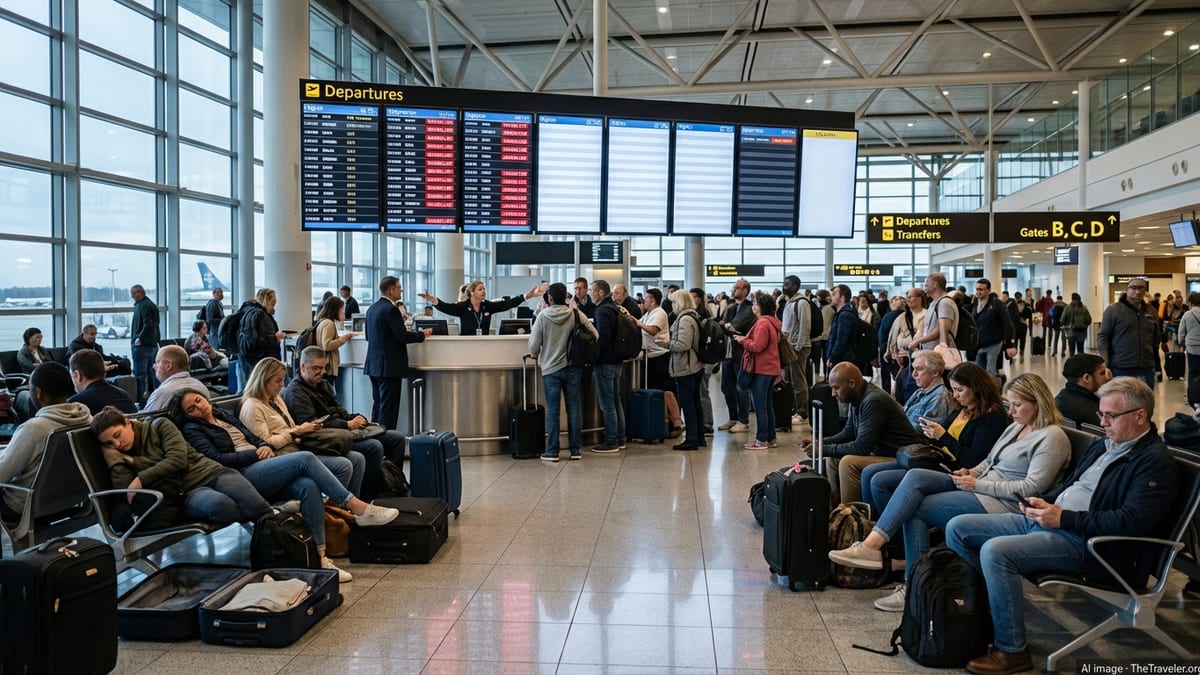
Reports from local media describe crowded terminal areas, with passengers waiting for updates on rebooking options and temporary accommodation. Airport staff and ground handlers have been tasked with managing unusually high numbers of stranded travelers at departure gates and check in halls, particularly during evening peak hours for Middle East bound services.
Conflict Near Riyadh Disrupts a Critical Travel Corridor
Published reports link the wave of cancellations to ongoing Houthi attacks targeting Saudi Arabia, including strikes near Riyadh that have affected operations at King Khalid International Airport. Flight tracking and aviation data show that airspace restrictions and heightened security measures have forced airlines to suspend or reroute services on short notice, especially those operating to Riyadh and Dammam.
The Bangladesh Saudi corridor is a major lifeline for migrant workers, business travelers and Umrah pilgrims. Industry data compiled in recent years indicate that hundreds of thousands of Bangladeshi nationals travel annually to Saudi Arabia for employment and religious purposes, making the route one of the busiest long haul markets from Dhaka in terms of passenger numbers.
According to coverage in Dhaka based outlets, Biman Bangladesh Airlines has temporarily suspended flights from Dhaka to Riyadh and Dammam until at least 17 October 2026, citing passenger safety considerations and uncertainty over available arrival slots in Saudi Arabia. Other carriers are reportedly monitoring the security situation and adjusting schedules on a day to day basis.
Aviation analysts commenting in regional media note that the disruption comes during a period of sustained demand for Gulf travel following the post pandemic recovery. The sudden removal of multiple daily departures to Saudi cities has left limited spare capacity on alternative routes, making it harder for stranded passengers to secure quick rebooking options via other hubs such as Doha, Dubai or Muscat.
Migrant Workers and Umrah Pilgrims Face Mounting Pressures
Reports from Bangladeshi news outlets indicate that a large share of the affected travelers are migrant workers heading to or returning from Saudi Arabia. Many hold time sensitive employment visas and must report to sponsors or employers by specific dates. Extended delays risk complications for work permits, medical checks and onboarding schedules arranged on the Saudi side.
Coverage also highlights the impact on Umrah pilgrims whose trips are closely tied to hotel bookings, ground transport arrangements and fixed group itineraries in Mecca and Medina. Travel agencies organizing group tours report challenges in reshuffling complex packages that combine flights, accommodation and local logistics under tightly defined visa periods.
Publicly available information suggests that approximately 15,000 to 16,000 passengers have faced disruptions linked to the Saudi cancellations once both direct and transit flights are considered. For some travelers, this has meant prolonged stays at the airport while waiting list options are explored; for others, the disruption has forced a full postponement of journeys and additional costs for rebooking or extending visas.
Consumer advocates quoted in domestic media note that many workers have financed their journeys through loans or family savings, and unexpected delays can strain finances when extra accommodation, food or local transport expenses accrue while they wait for new departure dates.
Airlines Respond With Schedule Adjustments and Limited Alternatives
Bangladeshi and foreign carriers serving Saudi routes have begun reshaping schedules as the situation evolves. Biman Bangladesh Airlines has announced the suspension of selected Saudi bound services for several days, while maintaining operations on other Middle Eastern routes where possible. US Bangla Airlines, Saudia, Riyadh Air and Gulf based carriers have also adjusted frequencies or aircraft deployment in response to airspace and airport constraints around Riyadh.
According to publicly reported statements and timetables, some airlines are attempting to consolidate passengers from multiple cancelled flights onto fewer, larger aircraft once slots become available. Others are exploring rerouting options via alternative Saudi airports that remain less affected, although this approach is constrained by crew duty limits, aircraft availability and ground handling capacity.
Bangladesh focused coverage indicates that airlines have offered a mix of rebooking, date changes and refunds in line with their contracts of carriage and prevailing regulations. However, the compressed demand on the remaining operational flights has limited the number of seats available in the short term, extending the waiting period for many stranded travelers seeking to resume their journeys.
Industry observers point out that the multi airline nature of the disruption, covering national carriers, private Bangladeshi airlines and several major Gulf and regional operators, complicates coordination efforts. With different booking channels, fare classes and codeshare agreements involved, passengers may need to work closely with their original point of sale, whether a travel agency or airline direct channel, to understand their specific options.
What Stranded Travelers Can Do While Disruptions Continue
Travel industry guidance compiled by consumer groups and aviation data platforms offers several practical steps for passengers caught in large scale cancellation events. Travelers are generally advised to monitor flight status frequently through airline apps or websites, confirm their booking reference numbers and ensure that contact details such as mobile phone numbers and email addresses are updated so that rebooking notifications reach them promptly.
Passenger rights and refund eligibility vary depending on the airline, type of ticket and the cause of the disruption. Public information from international regulators indicates that travelers on cancelled flights are typically entitled to a refund if they choose not to travel, even when cancellations are attributed to external events such as security concerns or airspace closures. Those who wish to continue their journeys may be able to accept alternative dates or routings offered by the airline, often at no extra fare.
For workers and pilgrims who must travel within fixed visa validity windows, published advice from migration support organizations stresses the importance of keeping employers, sponsors and tour operators informed of changing plans. Providing documentation of flight cancellations, such as airline emails or app notifications, can assist in explaining delays to counterparties abroad or in requesting adjustments to reporting dates where possible.
As the situation around Saudi airspace and airport operations continues to evolve, data from regional media and aviation sources suggest that further schedule changes cannot be ruled out. Travelers planning to depart from Bangladesh to Saudi Arabia in the coming days are being encouraged in public advisories to remain flexible, build additional time into itineraries and stay in close contact with airlines or agents to navigate any additional disruptions that may arise.