


More news on this day
Across aviation, hospitality, and ground transport, automation is quietly transforming safety from a patchwork of checkpoints into a connected ecosystem that tracks risks in real time, predicts failures before they happen, and coordinates faster responses when trips go off script.
Get the latest news straight to your inbox!
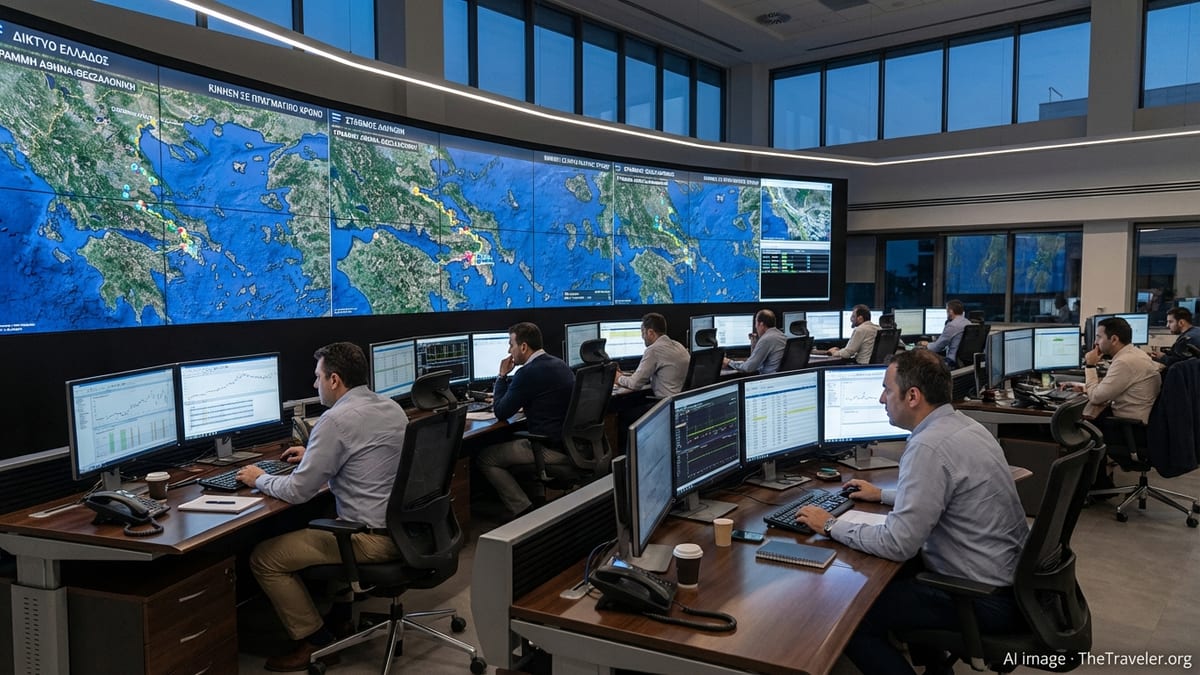
From Point Solutions to a Safety Ecosystem
For much of the modern travel era, safety has been enforced through discrete checkpoints: a preflight inspection here, a manual incident form there, a compliance audit once a year. Today, automation is pushing the industry toward something more fluid and continuous, where risk is detected, analyzed, and acted on throughout the journey rather than at isolated moments.
Airports, airlines, and travel management companies are increasingly treating safety data as a shared asset that flows across systems instead of sitting in departmental silos. Automation tools ingest signals from aircraft systems, baggage operations, staffing systems, and traveler communications, then feed that information into decision engines that can prioritize hazards and recommend interventions in near real time.
This ecosystem approach is changing how incidents are handled. Instead of starting with a phone call and a blank form, an automated platform can pre fill critical context, verify conditions against policies, and trigger standard workflows. That shift reduces delays and human error at the very moment when travelers are most exposed to risk, whether they are dealing with a missed connection, a medical issue abroad, or lost documents.
As the volume of travel continues to rebound and business trips grow more complex, industry analysis suggests that these integrated systems are becoming a competitive factor. Travel buyers are asking not only for duty of care assurances but for evidence that providers can use automation to monitor risk and act on it across the full trip lifecycle.
Diagnostics: Seeing Failures Before Travelers Feel Them
One of the most visible advances is in diagnostics, where artificial intelligence and sensor rich equipment are enabling predictive maintenance across transport infrastructure. In aviation and rail, equipment makers now embed diagnostic capabilities directly into motors and other critical components, capturing vibration, temperature, and other signals that can flag wear long before it becomes a safety issue.
These diagnostics streams are increasingly tied into analytics platforms that support predictive maintenance programs. Instead of relying on fixed inspection intervals, operators can plan interventions based on actual asset condition, reducing the likelihood of in service failures that disrupt schedules, stress crews, and inconvenience travelers. The same logic is appearing in airport systems, from baggage conveyors to airfield lighting and docking systems, which airports depend on to maintain safe flow on the ground.
Outside of aviation, predictive monitoring is spreading to ferries, cruise ships, and intercity coaches, where connected powertrains and telematics units collect performance data in real time. Maritime specialists, for example, now market AI tools that help crews troubleshoot mechanical anomalies faster, reducing the risk of cascading failures at sea. For travelers, these unseen diagnostics mean fewer last minute cancellations or equipment related delays and a lower probability of safety critical breakdowns.
Vendors of diagnostic technology are also positioning their platforms as open ecosystems. That makes it easier for travel operators to combine equipment data with weather, traffic, and occupancy information to form a more complete risk picture. The result is a move away from static safety planning toward dynamic risk management that adjusts as conditions change.
Airports and Baggage: Automation on the Front Line
Airports sit at the heart of this new safety ecosystem, and airside automation is evolving rapidly. Intelligent lighting, apron management systems, and gate docking tools now work together to give tower and ground teams a live view of aircraft movements and turnaround tasks. Automation helps coordinate these assets, reducing the chances of runway incursions, stand conflicts, and apron accidents that can compromise both staff and passenger safety.
In terminals and baggage halls, automation is being applied to some of the least visible but most critical pain points. Collaborative initiatives among airports, handlers, and technology companies are testing robotics and smarter conveyor controls to reduce manual lifting, improve scanning consistency, and detect jams before they trigger wider disruptions. Each proof of concept produces operational data that can be fed back into design, helping the industry refine what works and scale proven solutions across multiple hubs.
Some programs focus specifically on the safety implications of baggage handling, from worker injuries to the security risks created when systems fall back on manual workarounds. By instrumenting chutes, tugs, and sorting points, operators gain a clearer picture of where incidents occur and where automation can remove repetitive or hazardous tasks. Over time, these projects contribute to a more resilient ground operation that is better able to absorb traffic spikes and irregular operations without compromising safety standards.
Travelers may only notice the effects indirectly, through steadier baggage delivery times and fewer delays linked to ground operations. Behind the scenes, however, these automated systems are generating the data that underpins more advanced safety analytics, from near miss tracking to scenario modeling for extreme weather and congestion.
AI Incident Response and Duty of Care
Automation is also reshaping how the industry responds when something goes wrong. AI powered intake platforms now allow travelers to report incidents such as lost luggage, trip disruptions, or unexpected medical expenses through guided digital conversations rather than lengthy phone calls. These tools capture structured information, photos, and documents in minutes, then route the case to the right insurance, assistance, or operations teams.
By standardizing and accelerating intake, these platforms help organizations act more quickly during the critical first minutes of an incident. Claims handlers and travel risk teams receive more complete files, which reduces back and forth questions and shortens resolution times. For the traveler, that can mean faster rebooking, earlier confirmation that emergency expenses will be covered, and clearer instructions on next steps.
Business travel programs are starting to connect these incident tools with their duty of care frameworks. Automation helps cross reference trip data, traveler profiles, and real time alerts about disruptions or security concerns. When a storm closes a hub or civil unrest affects a destination, integrated platforms can identify who is impacted, assess their exposure, and trigger outreach or itinerary changes automatically.
The same technologies that streamline post booking servicing, such as reissues and cancellations, are being repurposed as safety tools. By reducing the manual workload for agents, automation allows human experts to concentrate on complex, high risk cases while routine disruptions are handled by software that follows carefully defined policies.
Challenges, Governance, and the Human Factor
Despite its promise, the shift from diagnostics to a fully integrated safety ecosystem raises difficult questions about governance and human behavior. Studies of partially automated systems in other transport modes suggest that overreliance on automation can lead to distraction or complacency, underscoring the need for clear roles and training for staff who work alongside intelligent systems.
Travel providers are also grappling with how to maintain transparency around automated decision making. When algorithms prioritize passengers for rebooking during disruptions or flag certain baggage items or patterns for extra scrutiny, organizations must be prepared to explain criteria and demonstrate that processes are fair and consistent. That is particularly sensitive in areas that touch on privacy, security screening, and access to medical support.
Industry reports indicate that cooperation and standardization will be crucial if automation is to strengthen safety rather than fragment it. Shared data formats, interoperable platforms, and common risk taxonomies can help ensure that safety insights do not stop at organizational boundaries. Travel buyers are increasingly looking for such alignment across airlines, hotels, ground transport, and insurance providers when evaluating partners.
For now, the travel industry appears to be in a transition phase where human expertise and automated systems must complement each other. Diagnostics, real time monitoring, and AI assisted workflows can highlight risks and streamline responses, but frontline staff, pilots, controllers, and travel managers remain central to judgment calls. The next few years will likely determine whether automation becomes a seamless layer of protection woven through every trip, or a patchwork of isolated tools that fall short of a true safety ecosystem.