


Flying with NetJets is often described as the closest thing to owning a private jet without taking on the full responsibility and unpredictability of whole aircraft ownership. Yet for many travelers, the menu of shares, leases, and jet cards can feel opaque and jargon heavy. This guide explains in plain language how NetJets membership actually works in 2026, with concrete examples of costs, aircraft types, and real world use cases so you can decide whether it makes sense for your travel style and budget.
Get the latest updates straight to your inbox!
The Three Main Ways To Fly With NetJets
NetJets in the United States now revolves around three core access models: fractional ownership, leasing, and jet cards. While marketing terms change over time, the underlying ideas are consistent. Fractional ownership (often called a Share) means you own a fraction of an aircraft; leasing gives you guaranteed access without owning the asset; and jet cards let you prepay for a fixed number of flight hours, typically starting at 25 hours, without any ownership or long term asset commitment.
Think of fractional ownership as buying a small slice of a specific aircraft model, such as a Cessna Citation XLS+ midsize jet or a Cessna Citation Longitude super midsize jet, with the right to use the fleet for a set number of hours per year. Leasing is similar in terms of access but structured as a monthly payment plus hourly fees, instead of an upfront capital purchase. Jet cards, by contrast, behave more like a highly structured pre-paid charter product: you load a large balance upfront and draw down hours at a fixed hourly rate when you fly.
All three membership types tap into the same core NetJets fleet and infrastructure: standardized aircraft, NetJets-employed crews, 24/7 owner services, and guaranteed access within a specified call-out window. The differences are mainly financial: how much capital you deploy upfront, how long you commit, and what you pay per hour. A family flying 150 hours per year between New York and Florida might select a fractional share, while an entrepreneur who flies 25 to 50 hours of ad hoc trips per year could find a jet card more suitable.
The right choice depends on your typical annual flight hours, route patterns, and comfort with tying up capital. Broadly, NetJets tends to direct travelers flying fewer than about 50 hours per year toward jet cards, those flying around 50 to 100 hours toward leases, and those flying 100 hours or more toward full fractional ownership, though there are exceptions in each direction.
How Fractional Ownership Works In Practice
Fractional ownership is the product that made NetJets famous. In this model, you purchase a share of a specific aircraft type, such as 1/16 or 1/8 of a Citation XLS+ or Citation Latitude. Industry references and independent comparisons in 2026 suggest that a 1/16 share in a super midsize jet can run in the general range of 750,000 to over 1.2 million dollars, with monthly management fees that can easily reach tens of thousands of dollars plus an hourly occupied flight rate. Exact figures vary by aircraft, contract length, and negotiation, but these ballpark ranges help frame the level of commitment involved.
Your share size is tied to annual hours. A 1/16 share often corresponds to roughly 50 flight hours per year, while a 1/8 share might give you around 100 hours. If a Boston based executive team buys a 1/8 share in a Citation Latitude, they might plan on flying 10 round trips a year from Boston to Dallas, plus several shorter hops in the Northeast. The contract typically runs around five years, after which NetJets handles the sale of the share based on a theoretical residual value formula defined in the agreement, providing some liquidity instead of leaving you to sell an entire aircraft on the open market.
Operationally, you do not always fly on the specific tail number you partially own. Instead, your ownership entitles you to use any comparable aircraft in the NetJets fleet, subject to your program rules. If your aircraft is down for maintenance, NetJets substitutes another plane at no extra charge beyond what is outlined in your contract. You pay an hourly occupied rate when you are on board, along with fuel surcharges and various taxes. Deicing, standard catering, and Wi-Fi are often included, which simplifies budgeting compared with ad hoc charter, where these are frequently billed separately.
For heavy users of private aviation, fractional ownership can be the most cost efficient program over many years. Consider a company that flies senior leaders 150 to 200 hours annually between Chicago, Los Angeles, and secondary markets such as Omaha and Wichita. Compared to buying 200 hours per year of net-new charter, a fractional share in a super midsize jet with predictable hourly rates, guaranteed availability, and systematic fleet backup can lower the effective cost per flight hour while also delivering schedule resilience and service consistency.
Leasing: Access Without Ownership
Leasing is structurally similar to fractional ownership but without the asset on your balance sheet. Instead of paying a seven figure purchase price for a share, you pay an initiation or security amount and then a fixed monthly lease fee, plus hourly occupied flight charges similar to fractional owners. Independent advisors who compare NetJets pricing estimate that for a super midsize or large cabin aircraft, monthly lease fees can sit in the tens of thousands of dollars, again depending on aircraft type, term, and expected usage.
Leasing tends to appeal to travelers and companies who fly enough to want guaranteed access and consistent service, but who prefer to avoid the long term capital commitment and residual value risk of fractional ownership. For example, a private equity firm expecting to be especially active for the next three years might sign a NetJets lease on a Citation Longitude rather than buying a full share. They enjoy similar scheduling priority, interchange options to other cabin sizes, and predictable hourly bills without tying up capital that could be invested in deals.
Operationally, a lessee requests flights in much the same way as a shareowner: they contact NetJets owner services, specify timing and routing, and receive confirmation within the terms of the program, usually with guaranteed aircraft availability given a defined call-out period that often ranges from 4 to 24 hours depending on the region and peak dates. If the lessee unexpectedly needs a larger jet for a specific mission, NetJets can often upgrade them using an interchange structure, where you trade several hours of your contracted aircraft type for fewer hours on a larger cabin jet.
One subtle but important difference is exit flexibility. A shareowner is tied to the residual value formula in their contract when they sell. A lessee, by contrast, is typically tied to the remaining term of the lease but has no exposure if aircraft resale values move up or down. For companies that must manage balance sheet optics or that operate under specific covenants, the ability to structure private aviation purely as an operating expense rather than an owned asset can be decisive.
Jet Cards: The Most Accessible Entry Point
For many individual travelers and families, the NetJets jet card is the most realistic way to access the brand. Jet cards pre-sell a block of hours, most commonly 25 hours at a time, on a specific cabin category such as light, midsize, super midsize, or large cabin jets. Industry comparisons current to mid 2026 suggest that a 25 hour NetJets light jet card often starts in the broad range of about 150,000 to 200,000 dollars, while a 25 hour super midsize card can be closer to the mid 300,000 dollar range or higher, depending on the exact product and any current promotions.
In practical terms, a family in Miami who wants to fly privately to Aspen, New York, and the Bahamas a few times per year might purchase a 25 hour light or midsize jet card. Each time they book, NetJets deducts occupied flight time from their balance at a fixed hourly rate plus fuel variable charges and required taxes. The family receives guaranteed aircraft availability with a set call-out window, often 24 hours on non-peak days. Catering, standard Wi-Fi, and predictable deicing coverage reduce the risk of unpleasant surprise bills after each trip.
Jet cards are also frequently used by corporations that have occasional high value trips where schedule certainty and privacy matter more than cost. A law firm handling a multistate litigation matter could use a 25 hour card to shuttle partners and clients between Los Angeles, San Francisco, Phoenix, and Denver over a six month period, without needing enough flying to justify a lease or share. Once the case concludes, the firm can reassess its needs rather than being locked into a multi-year ownership contract.
Compared with on demand charter, NetJets jet cards trade some flexibility in aircraft selection and routing for structure and certainty. You do not call three brokers and choose the cheapest quote. Instead, you accept NetJets pricing and operating rules in exchange for guaranteed fleet quality, standardized safety and service levels, and codified recovery promises if a flight is delayed or a mechanical issue arises. For travelers who value ease and predictability over squeezing every last dollar of savings, the structure of a card can be appealing.
Understanding NetJets Pricing: What You Really Pay
Pricing is the most commonly misunderstood aspect of NetJets membership. The total you pay is built from several components: an upfront capital payment for shares or cards, ongoing monthly management or lease fees for ownership and lease programs, hourly occupied rates, and fuel variable or fuel surcharge elements tied loosely to market fuel prices. Independent analyses suggest that effective all in hourly costs on NetJets jet cards can easily run into five figures per hour for midsize and larger jets, once fuel and taxes are included, and that fractional programs can deliver somewhat lower per hour costs if you fly enough hours each year.
Take a simplified example. A traveler buys a 25 hour super midsize card priced around 350,000 dollars. Ignoring taxes for the moment, the base block rate implies 14,000 dollars per hour. In practice, additional fuel variable charges and applicable taxes can push the effective per hour cost higher, perhaps into the mid teens. If that same traveler instead commits to a 1/16 fractional share of a super midsize jet with a seven figure upfront purchase price, plus monthly management fees and lower hourly rates, their effective per hour cost may come down, but only if they consistently use the full hours included in the share over the life of the contract.
One reason some owners remain loyal to NetJets despite premium pricing is budgeting clarity. A high net worth family that expects to fly 75 hours per year between their homes in New York, Palm Beach, and Jackson Hole can map out their all in NetJets costs over a five year period with relative precision, subject mainly to changes in fuel and taxes. By contrast, booking ad hoc charter for each trip exposes them to volatile pricing around peak periods, aircraft supply constraints, and opaque operator quality differences.
It is important to understand what is and is not included. NetJets typically bundles core operating expenses such as crew, maintenance, insurance, and standard catering into the hourly rate or card pricing. Additional charges can apply for things like specific catering requests, international handling, certain deicing scenarios, and reconfiguration or repositioning in unusual circumstances. Travelers comparing NetJets with other providers should request an apples to apples quote for a representative mission, such as a winter family ski trip from Chicago to Vail, including fuel, deicing, and overnight aircraft positioning, to see how the real world total stacks up.
Real World Trip Examples Across Membership Types
To make the differences more concrete, consider three travelers flying comparable missions. First, a tech founder in San Francisco flies privately roughly once per month, often to Los Angeles, Seattle, or Austin. Their annual usage is about 40 hours. They purchase a 25 hour NetJets midsize jet card and expect to top it up once during the year. Each trip from San Francisco to Seattle in a midsize jet might use about 2 hours each way, or 4 hours round trip, costing something in the mid to upper five figures per round trip when card pricing, fuel, and taxes are included. The founder values the ability to confirm a jet on short notice and does not want a long term asset commitment.
Second, a multi family office in Chicago coordinates frequent travel for several client families who often fly between Chicago, New York, Naples, and Aspen. Cumulative travel adds up to around 160 hours per year, with many trips planned months in advance. They enter into a NetJets fractional ownership agreement for a share in a super midsize jet, accepting a high upfront capital outlay in exchange for lower effective hourly rates and guaranteed access. The share structure lets the office schedule multiple trips across the group with the same standardized fleet rather than juggling brokers and operators on every itinerary.
Third, a European manufacturing company establishing new US operations expects a heavy travel period for three to four years while plants and distribution centers are launched. The executives will fly frequently between Atlanta, Dallas, Denver, and various secondary airports. Instead of buying a share, the company signs a NetJets lease on a midsize or super midsize aircraft type. They prefer to treat all aviation costs as operating expenses and avoid owning a depreciating asset on their balance sheet. When the expansion program ends and travel normalizes, they can reassess whether continuing the lease or switching to smaller jet card blocks makes more sense.
In all three examples, the clients could in theory have pieced together ad hoc charter solutions for each trip. What NetJets sells is not only aircraft time but a managed ecosystem: standardized cabins, consistent safety culture, dispatch reliability backed by a large fleet, and the ability to call one number at any hour for support and recovery. For some travelers this is worth the premium. For others, especially those flying very infrequently, local charter or even first class commercial tickets will be more rational.
Service Experience, Availability, and Limitations
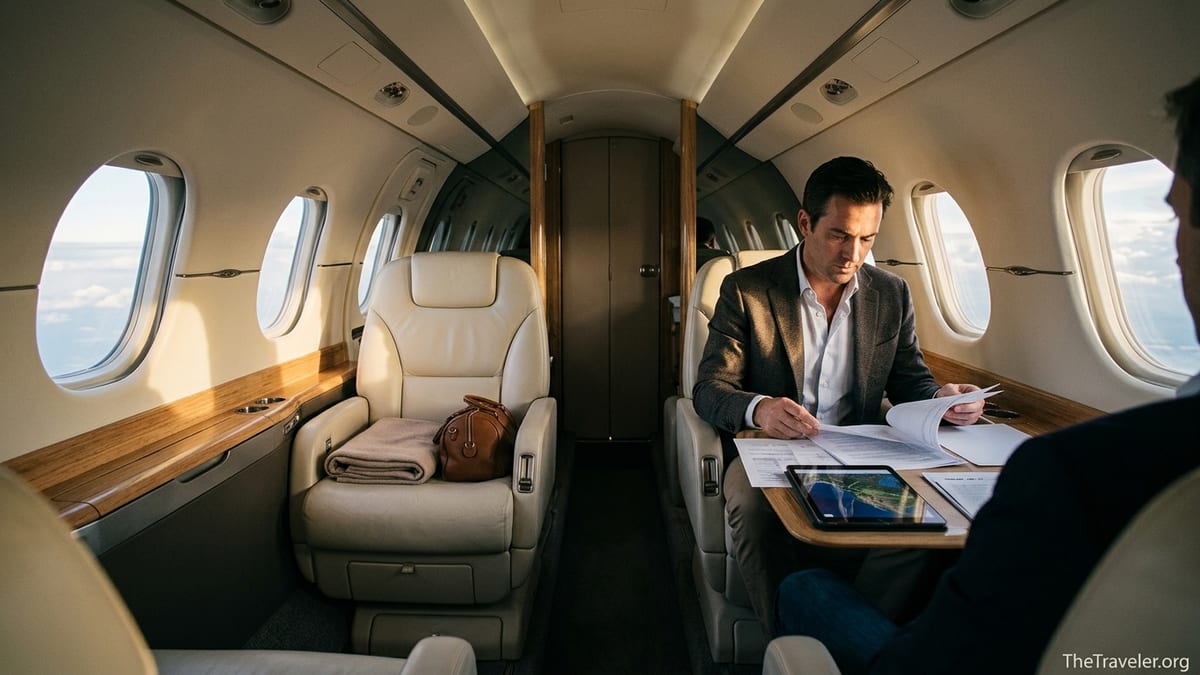
Beyond price, travelers often focus on what it is actually like to fly with NetJets. Owners and cardholders board at fixed base operators, or FBOs, rather than main airline terminals, which reduces total journey time dramatically. In many US cities you can drive directly to the aircraft steps, hand your keys to the line staff, and depart minutes later. Once on board, cabins are standardized by aircraft type, with leather seating, power outlets, Wi-Fi, and snacks or light catering. The crew are NetJets employees, trained to company standards and extensively recurrent checked.
Availability is a major part of the value proposition. NetJets typically promises guaranteed aircraft access with a set call-out time in your contract, though some programs have blackout or peak days where higher notice periods or additional surcharges apply. For example, on a busy holiday like Thanksgiving in the United States, you may face longer booking lead times or peak day surcharges, and interchange requests for larger aircraft can be harder to fulfill. Travelers who need absolute flexibility to fly on the busiest holiday afternoons should discuss realistic expectations in detail before signing any agreement.
There are also practical limitations by aircraft type. A midsize Citation XLS+ can be excellent for regional trips such as New York to Miami or Dallas, but it is not suitable for nonstop ultra long haul missions like New York to Tokyo. In those situations, fractional owners and lessees can usually interchange to a large cabin aircraft such as a Gulfstream or Bombardier Global type, trading several hours of their contracted aircraft time for fewer hours on the larger jet. Jet card holders, depending on the product, may need to hold separate balances for different cabin categories if they anticipate both regional and intercontinental use.
Finally, travelers should recognize that private aviation does not eliminate all delays. Weather, air traffic control congestion, and airport curfews still apply. The difference is that NetJets controls a large, centrally managed fleet, so if one aircraft goes out of service, the company can usually position another jet as a backup. Regular users often cite this recovery ability and consistent, branded service experience as the main reasons they remain with NetJets even as competitors and lower cost charter options proliferate.
The Takeaway
NetJets membership is best understood as a spectrum of access models built on a common fleet and service backbone. At one end, fractional ownership involves multimillion dollar commitments and is tailored to travelers who know they will fly 100 hours or more annually for many years. In the middle, leasing offers similar availability and service without on-balance-sheet ownership. At the more accessible end, jet cards allow high net worth individuals and businesses to prepay for 25 hour blocks of flying with guaranteed access and a clear, if premium, pricing structure.
Real world examples highlight that the right choice comes down to hours flown, route patterns, capital preferences, and tolerance for complexity. A family flying 30 leisure hours a year to ski and beach destinations will rarely need a fractional share and may find a NetJets jet card sufficient, while a corporation moving executives around the country weekly might find that a share or lease delivers better long term economics and priority. In every case, it is essential to model your anticipated flying for at least two to three years and request detailed, mission specific quotes so you understand the total cost, not just the headline hourly rate.
For travelers who value time above all else, NetJets can meaningfully change the way they move around the world, turning multi leg commercial journeys into same day out and back business trips or last minute family getaways. For those who fly infrequently or mainly on well served commercial routes, premium airline cabins and occasional ad hoc charter will often be more sensible. Understanding how NetJets membership works, and where it fits in the broader private aviation landscape, is the first step in deciding which side of that line you fall on.
FAQ
Q1. What is the minimum commitment to start flying with NetJets?
The most accessible entry point for many travelers is typically a 25 hour jet card on a light or midsize jet. Fractional shares and leases generally require longer commitments and higher upfront or monthly payments, so cards are often where individuals and smaller businesses begin.
Q2. How much does a NetJets jet card usually cost?
Exact pricing changes over time, but industry comparisons in 2026 suggest a 25 hour light jet card often falls somewhere in the 150,000 to 200,000 dollar range, while super midsize and large cabin cards can cost significantly more. Taxes and fuel related charges are usually additional.
Q3. When does fractional ownership make more sense than a jet card?
Fractional ownership tends to be more attractive when you fly at least 100 hours per year on a consistent pattern of trips and are comfortable committing capital for a multi year term. In that context, lower effective hourly rates and stronger scheduling priority can outweigh the higher upfront costs.
Q4. Can I choose the exact aircraft I fly on with NetJets?
You typically choose an aircraft type or cabin category rather than a specific tail number. For example, you may hold a share or card on a Citation Latitude category and fly on that standard cabin, but day to day operations may assign any suitable aircraft of that type or a comparable model within the fleet.
Q5. How quickly can NetJets provide an aircraft after I book?
Call-out times vary by program and region, but many US based owners and cardholders enjoy guaranteed availability with 24 hours notice on non-peak days, and sometimes shorter windows for higher tier products. Peak holiday periods can require more notice and may carry specific surcharges or limitations.
Q6. Are fuel and catering included in NetJets pricing?
Standard catering, crew, and core operating costs are generally included in the base hourly rate or card price. Fuel is often handled through a variable charge that adjusts with market prices, and taxes, certain international fees, and special catering requests can add to the total bill.
Q7. What happens if my NetJets aircraft has a mechanical issue?
One of the advantages of a large fleet is recovery capability. If your assigned aircraft becomes unavailable due to maintenance, NetJets will typically position a substitute aircraft to complete the trip under the terms of your agreement, without you needing to renegotiate with multiple operators.
Q8. Can I upgrade or downgrade aircraft size for specific trips?
Yes, many NetJets programs include an interchange option that lets you move between cabin sizes. For instance, a fractional owner of a midsize jet can trade several hours of their contracted aircraft time for fewer hours on a larger cabin jet for a special long range mission, subject to availability and defined exchange rates.
Q9. Is NetJets always cheaper than chartering a private jet?
Not necessarily. On a trip by trip basis, ad hoc charter can sometimes be less expensive, especially if you are flexible on operators and aircraft type. NetJets generally charges a premium in exchange for guaranteed availability, standardized service, and well defined recovery obligations that many travelers find worth the added cost.
Q10. How should I decide which NetJets membership option is right for me?
Start by estimating how many private flight hours you realistically expect to fly each year for the next several years, and on what routes. Then obtain detailed, all in pricing scenarios from NetJets for jet cards, leases, and fractional shares that fit your profile. Comparing those to ad hoc charter and premium commercial alternatives will clarify whether NetJets membership delivers enough value for your specific travel patterns.