


When you are planning a city break in Tokyo, a ski week in Hokkaido or a work trip to London, it is easy to spend more time comparing hotel deals than thinking about what happens if you fall sick or your flights are cancelled. Singlife Travel Insurance is designed to plug that gap, combining medical protection abroad with trip cancellation and delay benefits. Understanding how these pieces fit together in real life is the difference between a stressful, expensive disruption and a manageable inconvenience you can claim back later.
Get the latest updates straight to your inbox!
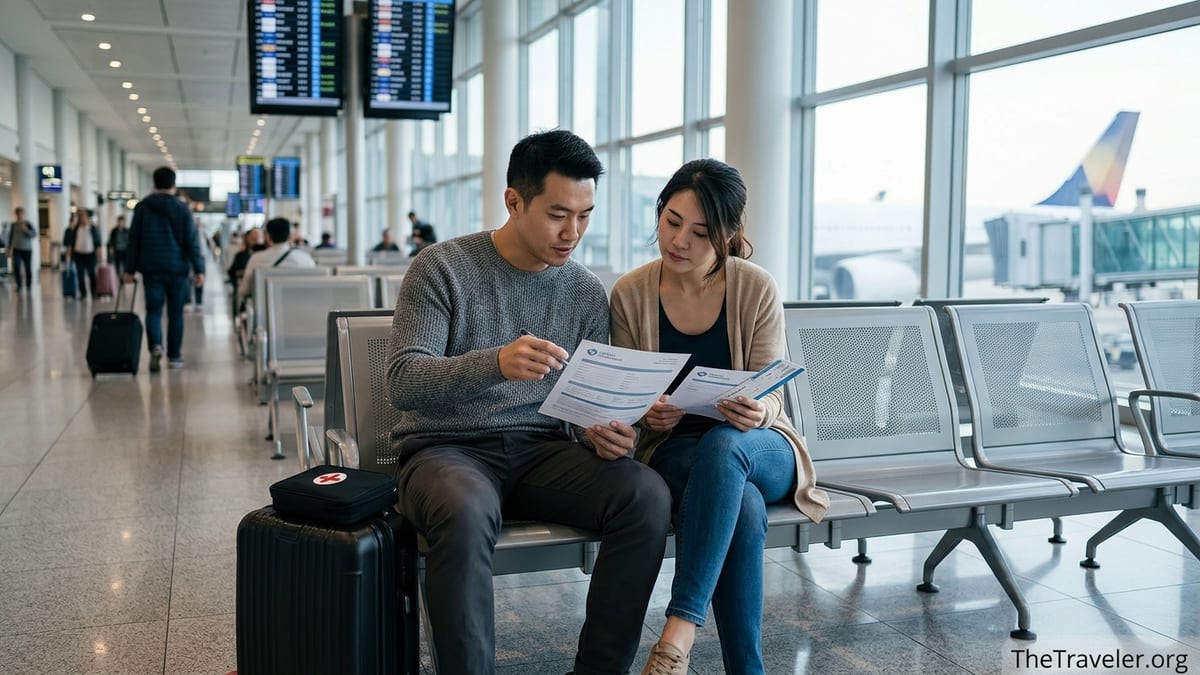
Overview of Singlife Travel Insurance Plans
Singlife positions its travel insurance as a mid to upper tier option for Singapore-based travelers who want a mix of strong medical protection and practical trip benefits. As at mid‑2026, Singlife Travel is sold in three main tiers: Lite, Plus and Prestige, for both single‑trip and annual multi‑trip policies. Lite targets budget‑conscious travelers who still want core medical cover, Plus increases limits and adds features such as pregnancy‑related benefits, while Prestige is aimed at frequent or higher‑risk travelers who are flying long haul or to countries with more expensive healthcare.
For example, a three‑day shopping trip to Bangkok for a solo traveler might be adequately covered by a Lite single‑trip plan bought a few days before departure. A family of four heading to the United States for two weeks, where a straightforward emergency room visit can run into thousands of US dollars, would typically lean toward Plus or Prestige to access higher overseas medical limits and evacuation coverage. The annual multi‑trip option becomes attractive for executives and consultants who fly every month across Asia, as it can work out cheaper than buying separate single‑trip policies each time.
Premiums vary according to destination region, trip duration and plan level. Short regional trips under one week to nearby destinations like Malaysia, Indonesia or Vietnam can often be insured for the price of an airport meal, while a multi‑week Europe or US itinerary on a Prestige plan naturally costs more. Singlife also periodically partners with organizations such as MINDEF or MHA for promotional discounts, which can reduce the barrier to opting for a higher tier when the trip profile justifies it.
Regardless of tier, all Singlife Travel plans share a common backbone in the policy wording: emergency medical cover abroad, some level of post‑trip follow‑up treatment in Singapore, 24/7 medical assistance, and a suite of travel inconvenience benefits. The exact dollar limits and sub‑benefits are what change as you move from Lite to Plus to Prestige.
How Overseas Medical Coverage Works in Practice
The centrepiece of Singlife Travel Insurance is its emergency medical cover when you fall ill or are injured during a trip outside Singapore. According to Singlife’s policy wording updated in 2023, if you unexpectedly suffer an accidental injury or illness, the insurer pays for necessary and reasonable medical treatment by a doctor overseas, including rescue services to take you to hospital, up to the plan’s stated limit and for up to a defined number of days from initial treatment. In Plus and Prestige, these limits are significantly higher than in Lite, reflecting the real cost differences between, say, seeing a general practitioner in Kuala Lumpur and being admitted to a private hospital in New York.
Imagine you are on a five‑day business trip in Tokyo and develop acute appendicitis on day three. You are rushed from your Shinjuku hotel to a private hospital, undergo emergency surgery and spend two nights on the ward. The hospital asks for a deposit equivalent to several thousand Singapore dollars before operating. With Singlife Travel, you or a travel companion can contact the 24/7 helpline shown in your policy; once Singlife and its assistance provider verify coverage, they may arrange a guarantee of payment directly with the hospital, reducing the need for you to pay everything out of pocket. After discharge, the hospital bills, doctor’s assessment and proof of travel dates form the core of your claim submission.
Singlife’s policy also caters for scenarios where you cannot return on your original flight because of your condition. If a doctor certifies in writing that you are medically unfit to travel as scheduled, the insurer can pay additional accommodation costs for a standard room and additional economy‑class travel expenses for a new flight home. A common real‑world example is a traveler who fractures an ankle while hiking in New Zealand and needs to delay the flight by a week for swelling to subside. Instead of personally bearing the extra hotel nights and change fees, these can potentially be claimed, subject to the policy limits and documentation.
Beyond hospitals, Singlife covers specified complementary treatments in some circumstances. In its 2023 policy, for instance, outpatient treatment overseas by a registered chiropractor or Chinese physician can be reimbursed when linked to an accidental injury or illness during your trip, up to specific sub‑limits. This matters if, for example, you experience a severe back spasm after lifting luggage in Hong Kong and a local doctor refers you to a chiropractor for pain management. Claimable receipts, medical notes and proof that the practitioner is licensed in that jurisdiction become crucial evidence.
Emergency Evacuation, Repatriation and Follow‑up Care
Emergency medical evacuation is where travel insurance can literally be lifesaving. Singlife’s policy states that if you suffer a serious injury or serious illness overseas and its appointed medical emergency assistance provider deems it medically necessary, the insurer will pay for transportation to the nearest appropriate medical facility or back to Singapore. This can involve air ambulances, stretcher arrangements on commercial flights, medical escorts and en‑route medical supplies.
Consider a traveler on a trekking holiday in Nepal who develops severe altitude sickness at a remote mountain lodge. Local clinics may lack the equipment to stabilize the condition. With Singlife Travel, once the assistance provider confirms the situation and coverage, they might arrange a helicopter evacuation to a hospital in Kathmandu, then a subsequent flight back to Singapore once the traveler is stable. The logistical coordination and costs, which can easily reach tens of thousands of dollars in complex cases, are borne up to the policy’s emergency evacuation limit rather than by the traveler’s family.
Repatriation benefits extend cover to getting you home not just for immediate treatment, but also for recuperation when you can no longer use your original return ticket. If, for example, you suffer a stroke while attending a conference in Frankfurt, spend two weeks in intensive care and are then cleared only to fly with a nurse escort, the assistance provider arranges the special seating, oxygen if needed and transfers. The cost of unused non‑refundable segments, excess baggage for medical equipment and the medical escort’s ticket can fall under the evacuation and repatriation section rather than standard trip cancellation.
Back in Singapore, Singlife typically allows a limited window for follow‑up medical expenses. In its 2023 wording, the insurer will pay for follow‑up treatment within 31 days of your return if the initial treatment occurred during the trip. If you only seek your first treatment within five days of coming home, cover may still apply for up to 31 days from that first visit. A typical scenario would be a traveler who strains a knee skiing in Niseko, receives initial treatment there, and then continues physiotherapy in Singapore after returning. Those physiotherapy sessions can be partially reimbursed, subject to caps, if they relate to the insured event and occur within the allowed timeframe.
Pre‑existing Conditions, Pregnancy and COVID‑19 Cover
One of the most common misunderstandings with any travel insurance is how pre‑existing medical conditions are handled. By default, standard Singlife Travel policies treat pre‑existing illnesses such as long‑standing hypertension, diabetes or prior heart disease as excluded. This means that if you are hospitalized overseas due to a complication directly arising from those conditions, the claim can be declined under the core plan. To address this gap, Singlife introduced a dedicated pre‑existing medical conditions add‑on for eligible single trips, with information updated by the insurer in early 2026. This add‑on can cover overseas medical expenses and emergency medical evacuation specifically resulting from pre‑existing conditions, up to defined limits such as around S$150,000 for medical bills and S$100,000 for evacuation, as stated by Singlife.
In practice, this might help a 65‑year‑old traveler with known coronary artery disease visiting his grandchildren in Sydney. Without the add‑on, a heart attack abroad could be deemed related to a pre‑existing condition and excluded. With the add‑on attached to a Plus or Prestige plan, medically necessary hospital treatment and even an air ambulance back to Singapore may be claimable, greatly reducing the financial risk of such a trip. The same add‑on can also extend to travel inconvenience benefits, such as trip cancellation or interruption if you, your travel companion or an immediate family member with a pre‑existing condition becomes critically ill, although co‑payment clauses may apply.
Pregnancy is treated with nuance in Singlife’s design. For Travel Plus and Travel Prestige, Singlife explicitly extends emergency medical treatment overseas for pregnancy or childbirth, provided the expected date of delivery is sufficiently far from the planned return date, often more than 12 weeks for single pregnancies or 16 weeks for multiples. The same plans can cover trip cancellation or interruption if a doctor certifies that you are unfit to travel due to complications that are not tied to pre‑existing conditions. A practical example would be a woman at 20 weeks’ gestation who has pre‑cleared travel to Seoul but develops unexpected bleeding a few days before departure; if her obstetrician grounds her from flying, non‑refundable air tickets and hotel deposits may be claimable.
COVID‑19 coverage has evolved rapidly since 2020. Singlife’s updated policy documents describe a specific COVID‑19 extension that, when applicable, covers emergency medical expenses and evacuation if you test positive during your trip and need treatment abroad, provided you are not traveling against official Singapore government travel advisories. In a real scenario, a traveler on a family holiday in Paris who tests positive and requires hospital care can claim the treatment costs and additional accommodation for isolation, subject to limits and proof such as PCR or supervised antigen test results. However, as COVID‑19 is now treated as a known risk, coverage is typically confined to the terms of that dedicated extension; travelers should read their latest policy schedule carefully to see whether the COVID‑19 add‑on is included or optional for their purchase date.
Trip Cancellation, Delays and Other Travel Inconveniences
Medical coverage is only part of why people buy travel insurance. Singlife Travel also provides a suite of travel inconvenience benefits aimed at the financial fallout when a trip is disrupted. Section by section, the policy sets out when Singlife will reimburse trip cancellation, curtailment, postponement, missed connections, lost baggage and travel delays. Crucially, these are not blanket guarantees; they apply only for listed reasons, such as serious illness, injury, death of an insured person or immediate family member, significant damage to your home in Singapore, or major travel disruptions like natural catastrophes and, in some cases, civil unrest.
Take a family of four booked on a December school holiday to Osaka, including non‑refundable promotional airfares and a prepaid theme park package. Two days before departure, one child is hospitalized in Singapore with acute pneumonia and will clearly be unfit to travel. With Singlife Travel, the family can typically claim back the non‑refundable portion of their arrangements under trip cancellation, by submitting hospital records, airline invoices and proof that the bookings could not be refunded or rebooked without penalty. The benefit ceiling depends on whether they chose Lite, Plus or Prestige, so parents planning expensive long‑haul experiences should match their coverage accordingly.
Delays are another frequent frustration. Singlife’s policy pays a fixed sum for every full block of consecutive hours of travel delay beyond a stated threshold, often starting after several hours of delay. For instance, if a winter storm in Europe causes your flight from Zurich to be pushed back by 12 hours, and the airline only offers meal vouchers, you may still be eligible for a travel delay payout from Singlife once you reach the minimum delay period. The claim would rely on airline delay notifications and boarding passes rather than itemized spending.
Lost or delayed baggage benefits work slightly differently. If your checked suitcase never appears on the carousel at Changi on your return from London, and the airline eventually declares it lost, Singlife can reimburse you up to a per‑article and overall limit for clothing, toiletries and personal items, after factoring in depreciation. If the bag is only delayed by more than a specified number of hours on arrival at your destination, Singlife may pay a smaller allowance to buy essentials, like a change of clothes and basic toiletries for a business meeting the next morning. In both cases, timely reports to the airline and documentation from their baggage services desk are critical pieces of evidence.
Eligibility, Exclusions and Activities to Watch
Not every situation is covered, and Singlife’s exclusions are as important as its benefits. Standard policies routinely exclude claims arising from traveling against government travel advisories, participating in dangerous sports and leisure activities, being under the influence of alcohol or illegal drugs, or engaging in unlawful acts. Singlife’s FAQ and policy documents give examples of activities considered too risky, such as BASE jumping, wingsuit flying, heli‑skiing, stunt riding, or trekking above 4,000 metres in very remote terrain. A tourist bungee jump in Queenstown with a licensed operator can be covered, while an unsanctioned base jump from a skyscraper roof in Dubai would fall squarely into the excluded category.
Many travelers are surprised that certain adventure activities are accepted as long as they are conducted under professional supervision and with safety gear. Singlife notes that usual tourist activities accessible to the general public, like recreational scuba diving within normal depth limits, guided white‑water rafting up to around Grade 2 rapids, or skiing on marked slopes at established resorts, can be covered, particularly when you purchase optional Winter Sports or Adventurous Water Sports riders. So if you are on a package ski holiday in Niseko with lessons booked through the resort, injuries from a fall on a marked piste are much more likely to be claimable than if you were heli‑skiing off unmarked backcountry ridges.
Eligibility also extends to age and residency. Singlife Travel is generally targeted at Singapore citizens, permanent residents and foreign residents with valid passes. There are maximum entry ages and child definitions in the fine print: for example, a child may be defined as under a particular age or, if older, a full‑time student and unmarried. Understanding these boundaries becomes important when buying family plans that bundle parents and children at a discounted rate, or when insuring elderly parents for a reunion trip in Europe.
Pre‑trip behavior can influence whether cover applies. If, for example, you ignore clear medical advice not to travel after a recent surgery, or you book a trip to a country with a widely publicized escalation of armed conflict after a strict travel advisory has been issued, Singlife’s general exceptions can be triggered. Likewise, failing to disclose requested health information accurately when buying a policy or an add‑on for pre‑existing conditions can lead to claim disputes later. Travel insurance is not a way to profit from misfortune, but a safety net for genuine, unforeseen events.
Claiming From Singlife: Documents, Timelines and Real Scenarios
Knowing how to claim is as important as buying the right plan. Singlife expects policyholders to act promptly when things go wrong: seek medical treatment as soon as practicable, safeguard belongings where possible, notify local authorities such as police or airlines when required, and contact Singlife’s assistance helpline for serious medical incidents. For substantial hospitalizations or evacuations, early contact allows the assistance provider to coordinate with doctors, arrange direct billing and advise on documentation.
In a typical medical claim, such as food poisoning in Bangkok leading to a two‑night hospital stay, you would gather admission and discharge summaries, itemized bills, laboratory results, proof of payment and your boarding passes. Once back in Singapore, you complete Singlife’s claim form, attach all documents and submit within the timeframe stated in the policy, usually within a set number of days from return. If you also attend follow‑up appointments in Singapore, keep those invoices and doctor’s notes to claim under the follow‑up medical section, staying within the allowed 31‑day window.
For travel inconvenience claims, the paperwork differs. In a trip cancellation caused by a parent’s sudden hospitalization in Singapore a week before your trip to Seoul, you would submit the doctor’s certificate confirming the seriousness and timing of the condition, hospital records, booking confirmations and proof of non‑refundable amounts. In baggage loss cases, airlines typically issue Property Irregularity Reports and final compensation letters, which Singlife will request to coordinate benefits and avoid over‑indemnifying. Photos of damaged luggage, repair quotes and receipts for emergency replacement items further bolster your case.
Timelines vary depending on claim complexity and completeness. Straightforward, low‑value claims can be processed in a matter of weeks when documents are in order, while high‑value hospital or evacuation claims that require coordination with multiple providers and cross‑checking with pre‑existing conditions may take longer. In online forums, travelers who have claimed successfully from Singlife often highlight that clarity of documentation and aligning the claimed event closely with the policy wording makes the difference between fast approval and prolonged back‑and‑forth.
The Takeaway
Singlife Travel Insurance brings together robust emergency medical benefits, evacuation and repatriation support, and practical trip disruption cover in a suite of Lite, Plus and Prestige plans. The core promise is straightforward: when something goes seriously wrong on your trip, from a sudden appendicitis in Tokyo to a cancelled family holiday because a child falls critically ill, you are not left alone to shoulder the full financial burden.
To get the most out of it, travelers need to match their plan choice to their itinerary and risk profile. Long‑haul trips to countries with expensive healthcare or complex winter sports holidays usually justify Plus or Prestige rather than Lite. Those with existing health issues should consider Singlife’s add‑on for pre‑existing medical conditions, and pregnant travelers should confirm how gestation limits and medical advice interact with trip cancellation rights. As COVID‑19, new variants and evolving government advisories continue to shape travel, understanding when dedicated pandemic cover applies remains important.
Ultimately, travel insurance is not a replacement for common sense, but a financial backstop. Reading Singlife’s latest policy schedule before you buy, keeping copies of receipts and medical reports when things go wrong, and contacting the assistance helpline early in serious incidents are the practical steps that turn a policy from a line item in your booking confirmation into a real source of support when plans unravel far from home.
FAQ
Q1. Does Singlife Travel Insurance cover my pre‑existing medical conditions?
By default, standard plans exclude pre‑existing conditions, but Singlife offers a separate add‑on that can cover overseas medical expenses, evacuation and some trip disruptions arising from those conditions, subject to limits and eligibility.
Q2. Am I covered if I get COVID‑19 while travelling?
Singlife’s policy includes a specific COVID‑19 cover extension that, when active, can pay for overseas medical treatment and evacuation if you test positive during your trip, provided you are not travelling against official advisories and you meet all policy conditions.
Q3. Can I claim trip cancellation if a family member falls seriously ill before departure?
Yes, trip cancellation benefits generally apply if an immediate family member suffers a serious injury or illness before your trip, making it unreasonable for you to travel, as long as you submit medical evidence and your bookings are genuinely non‑refundable.
Q4. How does Singlife decide when to evacuate me to another hospital or back to Singapore?
The treating doctor overseas and Singlife’s appointed medical emergency assistance provider jointly assess your condition; if they agree evacuation is medically necessary and appropriate, arrangements are made within the policy’s evacuation and repatriation limits.
Q5. Are adventure activities like skiing or scuba diving covered?
Usual tourist activities run by licensed operators, such as resort skiing on marked slopes or recreational scuba within normal depth limits, can be covered, especially if you add Winter Sports or Adventurous Water Sports riders, but higher‑risk activities like BASE jumping remain excluded.
Q6. Does Singlife cover follow‑up medical treatment after I return to Singapore?
Yes, Singlife typically covers follow‑up treatment in Singapore for a limited period after your return when the initial treatment started overseas, or within a few days of coming home, as long as it relates to a covered event and stays within the stated time and monetary limits.
Q7. What documents do I need to submit for a medical claim?
You usually need medical reports, admission and discharge summaries, itemized bills, proof of payment, diagnostic test results, boarding passes and proof of travel dates, plus any follow‑up treatment notes in Singapore.
Q8. If my luggage is delayed, what can I claim from Singlife?
If your checked baggage is delayed beyond the minimum period stated in the policy, Singlife can pay an allowance for essential items like clothing and toiletries, based on receipts and airline baggage delay confirmations.
Q9. Can I get a refund of my Singlife Travel premium if my plans change?
For single‑trip policies, Singlife generally allows cancellation with a premium refund only if you cancel before the trip start date, have not commenced travel and have not made any claim; once the period starts, cancellation options are more limited.
Q10. How do I choose between Lite, Plus and Prestige plans?
Consider destination healthcare costs, trip length, planned activities and trip value: short regional breaks with modest prepaid expenses may suit Lite, while long‑haul or high‑cost itineraries, winter sports or existing health issues usually justify Plus or Prestige for higher limits and added benefits.