


Choosing travel insurance in Singapore often comes down to fine print and real costs, not just headline discounts. Singlife has become one of the dominant names in this space, frequently appearing near the top of comparison tables for comprehensive coverage at mid-range prices. After reviewing the latest policy wording, public information and independent comparisons, this is an honest look at how Singlife Travel Insurance actually performs and who it suits best.
Get the latest updates straight to your inbox!
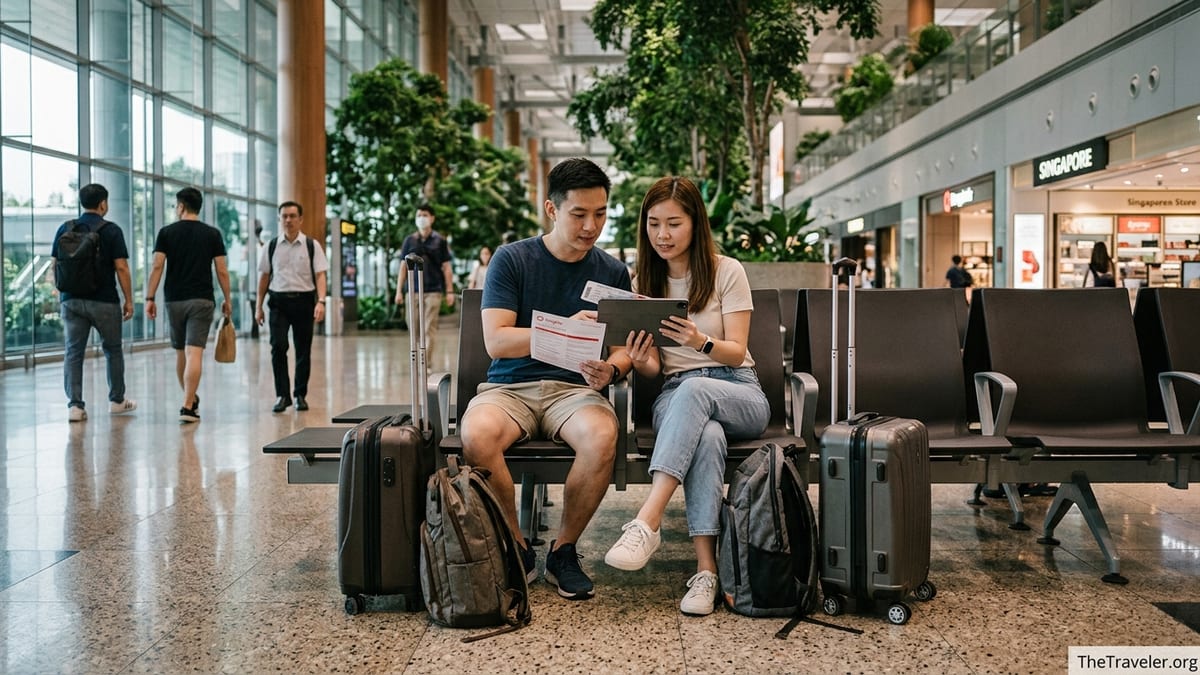
Singlife Travel Insurance at a Glance
Singlife is a Singapore-based insurer that has built its travel product around three tiers: Singlife Travel Lite, Plus and Prestige. All three are available for single-trip or annual multi-trip cover, with options for individuals, couples and families. The core promise is strong medical coverage, broad trip disruption benefits and a growing list of modern add-ons such as cover for pre-existing medical conditions and cancel-for-any-reason.
On price, Singlife sits in the competitive mid-range. For example, recent comparison data for a four-day single trip to China for one adult showed Singlife Travel Lite at about S$25 during a promotion period, while a basic Allianz plan was around S$19 before discounts. Another example: a seven-day trip to Thailand under the basic Singlife plan has been quoted in the low S$30s, broadly in line with other mainstream Singapore insurers. In short, Singlife is not always the absolute cheapest, but the coverage per dollar is typically strong.
The headline that attracts many buyers is the high medical coverage limits, which can go up to very large sums on higher plans, alongside generous trip cancellation and interruption benefits even at the Lite level. However, the real value depends on how these limits, exclusions and optional add-ons match your specific trips, from short regional holidays to complex multi-country itineraries.
As with any travel insurance, Singlife’s policies are written for Singapore residents travelling overseas. There is no domestic travel cover because Singapore does not have meaningful domestic tourism in the way larger countries do, so this is a product for crossing borders, not for staycations.
Coverage Tiers: Lite, Plus and Prestige Compared
The simplest way to understand Singlife’s offering is to think of Lite as a solid baseline, Plus as a comfort upgrade and Prestige as a high-limit, bells-and-whistles package. All three plans share the same basic structure but differ in the limits and, for some benefits, eligibility.
For medical cover, Lite already offers substantial protection. Publicly available comparisons show overseas medical coverage of around S$250,000 for an annual worldwide Lite plan for one adult, with higher caps on Plus and Prestige. For a typical five-day trip to Japan, that Lite limit should comfortably exceed the medical costs of many emergencies, but high-spend destinations like the United States may justify stepping up to Plus or Prestige, where limits can rise significantly and evacuation benefits are more robust.
Trip cancellation and travel inconvenience benefits also scale up. On Lite, trip cancellation may sit around S$5,000 per insured adult for an annual worldwide plan, with higher sums on Plus and Prestige. For a family planning a S$12,000, three-week Europe holiday with fully paid rail passes and apartment stays, Lite could leave a gap if the entire trip had to be cancelled. In that case, Plus or Prestige is more appropriate to reflect the actual prepaid costs.
Baggage coverage follows a similar pattern. Lite usually provides several thousand dollars for loss or damage, which is enough for a typical checked bag with clothes and a mid-range laptop. Prestige pushes limits up, making more sense if you routinely travel with expensive camera gear, designer luggage or multiple devices. The trade-off is cost: a Prestige single-trip premium can easily be more than double Lite, so the upgrade only makes sense if your risk and the value of your belongings justify it.
Real-World Medical and Emergency Protection
Medical coverage is where Singlife tends to distinguish itself in the Singapore market. The policy wording shows a dedicated section for emergency medical expenses, hospital income, quarantine allowance for infectious disease, repatriation and related benefits. These apply when you fall sick or are injured while travelling, within the stated limits and subject to exclusions.
Consider a realistic scenario: you are on a ten-day trip to South Korea, slip on ice in Busan and fracture your ankle. The ambulance ride, emergency department care, X-rays and overnight hospital stay might easily cost S$4,000 to S$6,000 in a private facility. Under Singlife Travel Lite with S$250,000 of overseas medical coverage, this bill would typically fall well within limits, subject to policy conditions. If the doctor declares you unfit to fly on your original date, trip interruption benefits may also come into play, covering additional hotel nights and change fees on your flight back to Singapore.
In a more serious case, say a traveller on a road trip in the United States suffers a heart attack and needs intensive care and medical evacuation. Hospital bills there can quickly exceed S$100,000. This is where the higher limits on Plus and especially Prestige matter. While exact caps change over time and by promotion, Prestige is positioned as the tier for high-cost destinations, with more generous evacuation and repatriation allowances and stronger post-trip follow-up coverage back in Singapore.
Pregnancy and childbirth are partially covered within limits if complications arise during a trip, according to Singlife’s own coverage explanations, but normal childbirth abroad or travelling against medical advice are excluded. Expectant parents planning a babymoon to destinations like Bali or Hokkaido should read this section carefully, especially around gestational age limits and whether their gynaecologist has cleared them to travel.
As always, pre-existing conditions are a critical nuance. Singlife offers optional add-ons for medical and travel inconvenience benefits linked to pre-existing medical conditions, but these typically come with shared-cost arrangements and strict timelines. Travellers with chronic illnesses such as diabetes or heart disease should not assume automatic cover; instead, they need to examine the optional pre-existing condition rider and consider whether the co-payment and limitations suit their risk profile.
Trip Cancellation, Disruption and “Cancel for Any Reason”
Trip cancellation, postponement and interruption are increasingly important as air travel becomes more complex. Singlife’s base policy covers cancellation for defined insured events, such as serious illness, injury, death of a close relative, natural disasters or major strikes affecting your carrier, within specified timeframes. These benefits may cover irrecoverable flight tickets, hotel bookings and tickets for attractions you cannot use.
Where Singlife stands out is its optional “Cancel for Any Reason” and “Change of Travelling Date or Time for Any Reason” add-on. According to Singlife’s own FAQs, if you buy this add-on within a fixed window, typically within about two weeks of your first trip payment, you can cancel or change your trip for reasons not listed in the usual insured events. That might include deciding not to travel due to rising unrest in a region that has not yet reached official travel advisory levels, or simply a change of personal circumstances such as a new job starting earlier than expected.
For instance, imagine booking a S$3,000 couples holiday to Spain on 1 May, with non-refundable boutique hotels and internal flights. If you purchase the cancel-for-any-reason add-on by around 15 May and later decide in October to cancel purely because you no longer feel comfortable traveling, Singlife may cover around half of your irrecoverable costs on Lite or Plus, and slightly more on Prestige, subject to caps. That is not full reimbursement, but it can soften the financial blow substantially compared with losing the entire S$3,000.
Travel delay, missed connections, baggage delay and related inconveniences are also included. For a common case such as a six-hour delay at Changi on a weekend flight to Sydney due to aircraft technical issues, Singlife might pay a fixed allowance per six or eight hours of delay, depending on plan, plus reimbursement for essential items if your checked bag is delayed beyond a certain threshold. The actual sums are modest, but they can pay for meals, toiletries and a change of clothes without you dipping into your main travel budget.
Pre-Existing Conditions and Optional Add-Ons
Pre-existing conditions are often the deciding factor for older travellers or those with chronic illnesses. Singlife’s core policy excludes many claims arising directly from pre-existing conditions, which is standard in the industry. However, the insurer offers an optional add-on specifically for medical expenses, trip cancellation, postponement and interruption related to pre-existing medical conditions, particularly on Plus and Prestige.
The detail that matters here is cost sharing and documentation. In the policy wording, Singlife notes that certain benefits for pre-existing conditions are subject to a co-payment. In practical terms, that can mean the insurer covers a percentage of eligible costs, while the traveller bears the rest. For example, if you have stable heart disease and buy the pre-existing condition add-on, then later cancel a S$4,000 trip within 30 days of departure because your cardiologist advises against travel after a new scan, Singlife may cover only part of that S$4,000, leaving you to absorb the remainder.
Travellers must also ensure that their condition meets the insurer’s stability criteria. If you were recently hospitalized or undergoing investigation for a new problem, claims may be denied even with the add-on. A Singaporean with long-controlled Type 2 diabetes travelling to Japan for skiing is one thing; a traveller awaiting confirmation of a suspected cancer diagnosis is another. No travel insurer, Singlife included, is likely to cover the latter scenario.
Beyond health, Singlife offers add-ons for adventure activities that fall outside standard leisure sports. Snow sports, scuba diving beyond basic recreational depths, and certain motorised water sports may require extra coverage. For example, someone planning a ski trip to Niseko or a diving holiday in the Maldives should check whether their planned activities are fully covered under the base policy or require a specific adventure sports rider.
How Singlife Stacks Up Against Other Singapore Insurers
When benchmarked against competitors like FWD, Income, Allianz and MSIG, Singlife tends to rank well in terms of coverage breadth and depth, especially in mid and higher tiers. Independent comparison sites often describe Singlife as offering “high and holistic coverage,” while brands like FWD are associated more with aggressively low premiums and a very digital, self-service experience.
Take a recent comparison exercise for a four-day single trip to China for one adult. Pricing showed several budget-friendly options, with some basic plans dipping below S$20. Singlife’s Lite plan landed slightly higher, in the mid-S$20s after promotional discounts, but typically offered more generous medical caps and a richer set of add-ons than the cheapest competitors. For many travellers, that slight bump in premium is acceptable in exchange for stronger protection, particularly for medical emergencies.
On the technology front, Singlife leans digital as well, selling policies through its website, mobile channels and popular comparison platforms. Claims can usually be submitted online, with some partners highlighting PayNow payouts for speed. That is comparable to the experience offered by newer online insurers and often more convenient than legacy processes that still involve hard-copy forms or in-person visits.
The main competition to Singlife comes when travellers prioritise pure price or very niche benefits. Budget-conscious backpackers under 30 doing low-risk trips to nearby destinations sometimes gravitate to the absolute cheapest policies, which may undercut Singlife by S$5 to S$10 per trip. Conversely, travellers needing highly specialized cover, such as very high-risk sports or war zone travel, often require bespoke or specialist insurers that sit outside the mainstream Singapore retail market entirely.
Common Pain Points, Exclusions and Fine Print
Despite its strengths, Singlife’s policy, like any travel insurance, contains a long exclusions section that can surprise travellers who do not read it. War, nuclear incidents, and many acts of terrorism are excluded or heavily restricted, so trips into active conflict zones are rarely covered for anything beyond limited emergency evacuation, if at all.
Behaviour-related exclusions are also important. Claims arising from being under the influence of alcohol or illegal drugs, participating in illegal activities, or ignoring official travel advisories can be rejected. For example, if you decide to rent a motorbike in Bali without a valid licence or helmet, and then crash, your claim may be denied even if you hold Singlife’s top-tier plan. The same applies to injuries sustained while taking part in non-covered extreme sports without the proper add-on.
There are also caps on valuables such as laptops, cameras and jewellery within the overall baggage limit. A traveller carrying a S$5,000 full-frame camera and lens kit on Lite might assume they are fully covered, but sub-limits per item can mean only a fraction of that amount is claimable. In that case, either upgrading to a higher tier or arranging specific gear insurance would be more appropriate.
Finally, like most insurers, Singlife expects travellers to act prudently and minimise losses. That means reporting theft to local police within a set timeframe, obtaining written reports from airlines for baggage issues, and seeking treatment promptly for medical emergencies. Failure to do these basic steps can complicate or even void an otherwise valid claim, something regular travellers on forums frequently point out when sharing their experiences.
The Takeaway
After comparing Singlife Travel Insurance across its three tiers and against key competitors, the picture that emerges is of a strong, broadly designed product that favours travellers who value comprehensive medical and disruption coverage over rock-bottom premiums. Lite offers a robust baseline for most short regional leisure trips, Plus suits longer or more expensive itineraries, and Prestige is ideal for high-cost destinations like the United States, multi-country journeys and travellers with larger budgets or more to lose financially.
The standout strengths are high medical limits, the availability of cancel-for-any-reason and pre-existing condition add-ons, and a generally smooth digital purchase and claims process. The main caveats lie in the usual fine print: exclusions for war and risky behaviour, sub-limits for valuables, and tight rules around when you must buy optional riders. Travellers who understand these constraints and match the plan to their itinerary will likely find Singlife a dependable option in the Singapore market.
In practical terms, if you are booking a one-week trip to Tokyo with S$2,500 in prepaid costs and standard leisure activities, Singlife Travel Lite or Plus will probably suffice, provided you do not have significant pre-existing conditions. If you are planning a month-long, S$10,000 family road trip across the United States with non-refundable motorhome bookings, stepping up to Prestige and adding cancel-for-any-reason would be a more aligned choice, even at a higher premium.
Ultimately, Singlife is not the only good travel insurer in Singapore, but it offers a balanced mix of price, coverage depth and modern flexibility that will appeal to many frequent travellers, especially those willing to spend a little more upfront for peace of mind when something goes wrong far from home.
FAQ
Q1. Is Singlife Travel Insurance worth it compared with cheaper plans?
For many travellers it is, particularly if you value higher medical limits and broader trip disruption cover. Cheaper plans can undercut Singlife by several dollars per trip, but they often come with lower caps and fewer add-ons. If your trip is expensive or you are heading to a high-cost destination, paying a slightly higher premium for stronger protection is usually a sensible trade-off.
Q2. Which Singlife plan should I choose: Lite, Plus or Prestige?
Match the plan to your destination cost and prepaid amounts. Lite generally suits short regional trips with modest prepaid expenses. Plus is a better fit for longer holidays in places like Japan or Europe, while Prestige is most appropriate for very costly trips, high medical-cost countries such as the United States, or when you have more than S$10,000 of non-refundable bookings.
Q3. Does Singlife cover COVID-19 related claims?
Recent materials indicate that COVID-19 benefits are available as an add-on rather than built into every plan. Coverage typically focuses on overseas medical treatment and some travel disruption if you test positive before or during your trip, within set limits. You need to check at purchase whether COVID-19 protection is included or requires a separate rider, as terms can change over time.
Q4. Are pre-existing medical conditions covered?
By default, many claims arising from pre-existing conditions are excluded. However, Singlife offers optional coverage for pre-existing medical conditions on certain plan tiers. This can extend medical and travel inconvenience benefits to events linked to your existing condition, subject to stability requirements, co-payments and strict timelines. You should review this rider carefully and, if needed, speak to Singlife or a financial adviser before buying.
Q5. How does Singlife’s cancel-for-any-reason option work?
Cancel-for-any-reason is an optional add-on that partially reimburses your non-refundable travel costs if you cancel or change your trip for reasons not listed under standard insured events. You usually must buy this add-on within a fixed number of days after making your first trip payment. Payouts are typically a percentage of your irrecoverable costs, with different percentages for Lite, Plus and Prestige, and always subject to policy limits.
Q6. Does Singlife cover adventure sports like skiing or scuba diving?
Standard leisure activities are usually covered, but higher-risk adventure sports may not be included by default. Skiing, snowboarding, deeper scuba dives or motorised water sports can require an additional adventure sports add-on. If your itinerary includes such activities, you should confirm coverage and add the relevant rider at the time of purchase rather than assuming you are protected.
Q7. Can I buy Singlife Travel Insurance after leaving Singapore?
No. Like most Singapore travel insurers, Singlife requires you to purchase your policy before departing from Singapore. Buying after you have started your trip is generally not allowed and would likely result in claims being rejected, even if the system somehow issued a policy. Always secure your cover before checking in for your outbound flight.
Q8. How do Singlife’s baggage limits work in practice?
Singlife sets an overall baggage limit for each plan, plus sub-limits per item or category such as electronics and jewellery. If your checked suitcase worth S$1,500 is lost, a Lite plan with S$3,000 baggage cover but a S$500 per-item cap might only reimburse up to S$500 or S$1,000 depending on how items are assessed. It is important to check both the total and per-item limits, especially if you travel with high-value gear.
Q9. How easy is it to make a claim with Singlife?
Claims are typically submitted online through Singlife’s portal or via partner platforms. You will need supporting documents such as medical reports, police reports, airline delay letters or receipts. Many simple claims, such as minor medical expenses or small baggage delays, can be processed fairly quickly, with some payouts made via PayNow. More complex claims involving large medical bills or trip cancellations take longer and may require additional documentation.
Q10. Who is Singlife Travel Insurance best suited for?
Singlife is best suited for Singapore-based travellers who prioritise strong medical and disruption coverage and are willing to pay slightly more than the absolute cheapest options. Frequent travellers, families with substantial prepaid bookings, and those visiting high-cost destinations tend to benefit the most. Budget backpackers on simple, low-cost trips might prefer lower-premium policies, but even they should compare Singlife when promotions narrow the price gap.