


I used to think booking a yacht was reserved for seasoned sailors or corporate planners with maritime lawyers on speed dial. Contracts, deposits, obscure boat specs, crew rules, insurance fine print: it all seemed like a maze waiting to swallow my vacation budget. Then I sat down to plan a one-week sailing trip in Croatia and, almost by accident, opened SEARADAR. Within a couple of hours, I had a specific yacht, a transparent price, a suggested route, and a real human answering my WhatsApp messages faster than most hotels respond to emails. For the first time, yacht chartering felt less like a gamble and more like booking a well-researched boutique hotel.
Get the latest updates straight to your inbox!
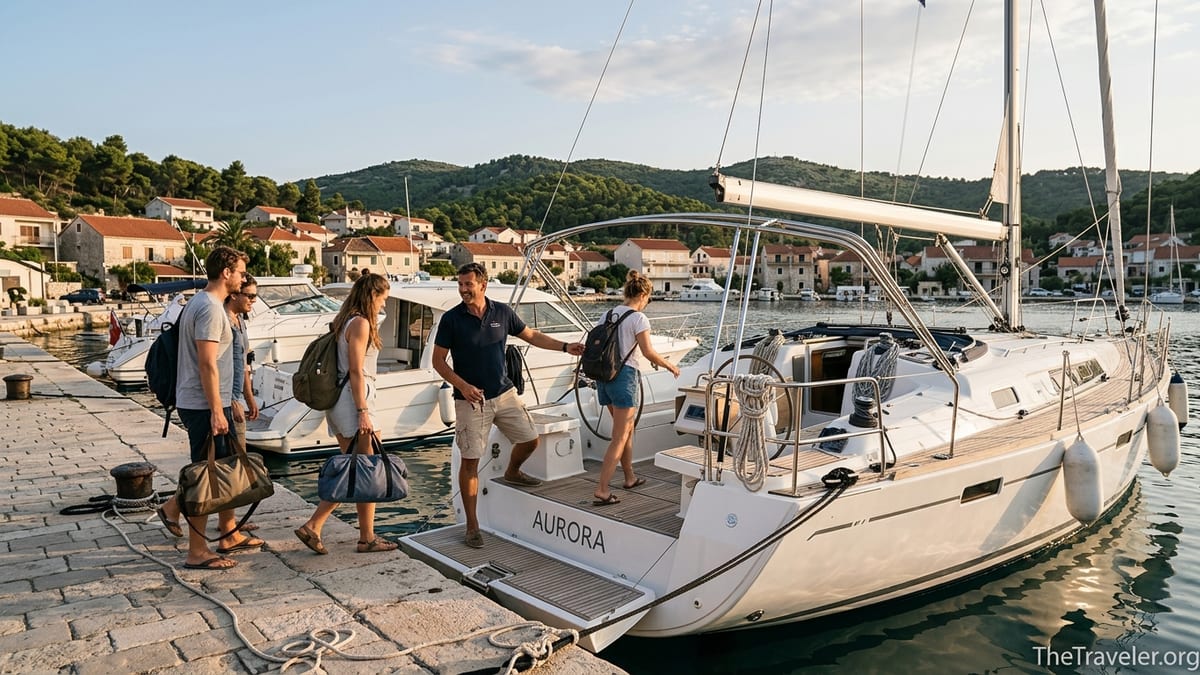
Why Yacht Booking Feels So Complicated in the First Place
If the idea of chartering a yacht makes you tense, you are not alone. Traditional yacht booking often involves a tangle of local charter companies, middlemen, and opaque pricing. Search for a boat in Greece or Croatia and you will quickly find dozens of agencies showing the same inventory with different names, slightly different prices, and almost no context about which companies are actually reliable.
Behind the scenes, most of these listings are connected to a handful of large databases of charter boats. Many sites simply plug into that feed and present you with a long list of options, leaving you to guess which yachts are well maintained, which marinas are convenient for flights, and which owners respond quickly if something goes wrong. Without guidance, a first-time charterer can easily spend days comparing Bavaria vs Beneteau models, interpreting “refit in 2018,” and trying to decode what is really included in the base price.
Then there are the contracts and extras. In the Mediterranean, it is normal to pay a base charter fee plus compulsory extras such as transit log, cleaning, and often an outboard engine for the dinghy. Fuel and marina fees are additional, and in some regions an Advance Provisioning Allowance or security deposit is required. When you are staring at a quote in a currency you do not use every day, it is easy to worry that a pleasant week on the water will balloon into a financial surprise.
Finally, there is the trust issue. Once you wire a few thousand euros to an unfamiliar company in a country you might never have visited, you are relying on their standards of maintenance, safety checks, and customer service. Horror stories about last-minute boat downgrades, unresolved technical issues, and poor communication circulate in sailing forums, so it is reasonable to feel that booking a yacht is a high-stakes leap of faith.
What SEARADAR Actually Is, in Plain Language
SEARADAR positions itself as a full-cycle digital yacht agent rather than just another listing site. In practical terms, that means it behaves less like an anonymous search engine and more like a travel concierge focused entirely on sailing holidays. The company is based in Europe and works with charter fleets in classic hotspots such as Croatia, Greece, Italy, Turkey, Spain, and the Caribbean, as well as destinations like the Seychelles.
Instead of showing every boat in a database, SEARADAR filters yachts based on its own quality checks and an internal rating of partner charter companies. Public information from the company highlights that they work with tens of thousands of boats globally, but only from operators they have vetted, using a mix of client feedback, technical inspections, and long-term relationships. To the traveler, the effect is simple: fewer but better-curated options.
The other key difference is how you interact with the service. Many travelers start by filling out a short online form with dates, destination, group size, and whether they need a skipper or crew. From there, a manager typically takes over and communicates via email, WhatsApp, or phone. In reviews on platforms like Trustpilot, customers consistently describe quick responses, clear explanations of the booking steps, and help dealing with everything from special check-in times to provisioning.
Importantly, SEARADAR stays involved after the contract is signed. Rather than disappearing once payment is made, their team remains the main point of contact before and during the charter. That can mean liaising with the local charter base if something breaks on board, helping rebook a transfer when flights are delayed, or advising on a safer route when the weather turns. In effect, they act as your remote agent while you are at sea.
A Real-World Example: Planning a First Charter in Croatia
Imagine a group of four friends from Chicago planning a week of sailing in Croatia in late September. None of them is a professional skipper, but one holds the equivalent of a coastal skipper license and has chartered once before in Greece. Their rough plan is simple: fly into Split, sail around the Dalmatian islands, and enjoy quiet bays, wine, and seafood.
When they reach out to SEARADAR, they specify their dates, budget of roughly a few thousand euros for the boat, and the fact that they are happy to handle the sailing themselves but want a modern, reliable yacht. Within about a day, they receive a set of concrete options: for example, a 3-cabin Bavaria or Beneteau sailing yacht around 38 to 40 feet, built within the last five to seven years, based in marinas near Split airport. Each option comes with an estimated total cost that includes the base rate plus mandatory extras, so the group can quickly compare realistic final prices rather than guesswork.
The SEARADAR manager also sends a suggested itinerary: Split to Hvar, Vis, and Brač, with notes on where to find quieter anchorages versus livelier nightlife. They flag that late September can be windy in the Adriatic and recommend a conservatively sized boat and a couple of buffer days in the schedule, in case strong bora winds require staying in port.
When the group confirms one of the yachts, SEARADAR helps arrange airport transfers, advises on when to arrive for the technical check-in, and explains how the security deposit will work. During the trip, when the crew is unsure about entering a crowded marina in gusty conditions, they message their manager, who quickly checks local forecasts and suggests a nearby alternative bay with mooring buoys. By the end of the week, the friends have not only completed a satisfying sailing route, they have also realized how manageable the logistics can be with a proactive intermediary.
How Pricing Works: From “Mystery Fees” to Clear Expectations
One of the most intimidating parts of yacht chartering is trying to interpret what the final price will be. Industry sources often mention that the true cost of a charter can climb to two or three times the base rate once seasonal surcharges, fuel, crew, and extras are added. That sounds alarming if you are comparing prices casually on your lunch break.
SEARADAR’s approach is to foreground the main drivers of cost early in the conversation. When they send you options, each one typically includes the base charter fee, the list of mandatory extras (such as final cleaning, transit log, and tourist taxes where applicable), and approximate costs for optional services like a professional skipper, hostess, or early check-in. While exact figures will vary by destination and season, you are given a realistic envelope rather than a low teaser price.
For example, a mid-season week on a 40-foot monohull in Greece or Croatia might come out to a mid-range four-figure sum for the bareboat charter, with mandatory extras adding a few hundred euros and a refundable deposit held on a credit card. If you add a skipper, you might add another significant amount for the week, plus their food. SEARADAR makes it clear which items are paid to the charter base at check-in and which are settled in advance, so you can plan how much to bring in local currency and how much will go on cards.
The company also explains what is not included, such as fuel, marina fees, and provisions. They will often give a ballpark fuel estimate based on typical weekly itineraries and engine hours for your chosen boat type. For a standard one-week trip in the Mediterranean on a sailing yacht, fuel might remain a relatively small portion of the total cost unless you motor extensively, while a large motor yacht in the Caribbean will burn through fuel at a much higher rate. Having those expectations in writing before you pay a deposit goes a long way to making the process feel less risky.
Concierge Service in Practice: Routes, Extras, and On-Trip Help
Where SEARADAR really differentiates itself from booking directly with a random charter company is in the level of ongoing concierge support. That phrase can sound like marketing, but in practical terms it shows up in small, concrete ways throughout the booking and sailing experience.
Before departure, many travelers lean on SEARADAR for route planning. A family planning a half-term break in the Ionian Sea, for instance, might describe that they are sailing with young children and want short daily hops, protected anchorages, and easy access to tavernas. SEARADAR can then suggest a loop starting from Lefkada or Preveza, outline distances between ports, and point out family-friendly stops with sheltered bays and shore facilities.
If you need extras, such as stand-up paddleboards, snorkeling sets, or a cook who can handle dietary restrictions, the team coordinates these requests with the local charter base. Travelers have reported that SEARADAR sometimes arranges welcome gifts on board or helps pre-order provisions so the fridge is stocked when you arrive. While those touches are not guaranteed, they illustrate how a good agent can smooth away frictions that often fall on the traveler.
Once you are on the water, the value of having a responsive intermediary becomes clear when something unexpected happens. A minor technical issue like a faulty water pump can feel daunting if you are anchored off an unfamiliar coast. With SEARADAR in the loop, you contact your manager, who can guide you through quick troubleshooting or coordinate with the charter base for a technician to meet you at the next port. Even if the issue is weather-related, such as a forecasted gale forcing you to alter your itinerary, talking it through with a team that understands both local conditions and your comfort level takes a lot of stress out of decision-making.
Learning from Both Positive and Negative Experiences
No booking platform, however sophisticated, can eliminate every risk, and it is important to look at both positive and negative stories before you commit several thousand dollars to a yacht holiday. Public review sites and sailing forums show that SEARADAR has built a strong reputation for communication and ease of booking, with many guests praising fast responses and well-chosen local partners. Travelers describe experiences like seamless check-ins in the Seychelles, clean catamarans that matched the advertised spec, and staff who remained attentive until disembarkation.
At the same time, there are also reports of trips where things did not go smoothly. A recurring theme in a small number of critical reviews involves last-minute changes of boat when the originally booked yacht became unavailable, sometimes resulting in a less favorable replacement. Other complaints mention technical issues discovered at the start of the charter, or frustration with how responsibility was shared between SEARADAR as the agent and the local charter company as the boat operator.
For prospective travelers, the takeaway is not that you should expect problems, but that you should understand the structure of responsibility. With SEARADAR, the local charter company still owns and maintains the boat, and they handle handover, technical checks, and most on-site logistics. SEARADAR’s role is to select reliable partners, monitor their performance through client feedback, and advocate for you if something goes wrong. Reviews suggest that the company does take feedback seriously and uses it to refine which partners they work with, but it is fair to ask your manager directly how issues are handled if a boat is not as advertised.
Being proactive helps. When you book, clarify in writing what happens if the operator must switch your yacht, what standards any replacement must meet, and what compensation is typical if there is a significant downgrade. Ask how quickly technical support can reach you in the cruising area you have chosen, and what channels of communication you will have while on board. The more transparent the answers, the more confident you can feel that your agent will stand behind their promises.
Who SEARADAR Works Best For
Although SEARADAR is open to a wide range of travelers, certain types of clients are especially likely to benefit from its model. First are first-time charterers who are comfortable on the water but new to the formal process of booking a yacht. If you have taken a few sailing courses or daysails and now want to graduate to a week in the Cyclades or Balearics, having a manager walk you through documentation, insurance, and route planning can make the difference between a steep learning curve and a relaxed first charter.
Corporate or event planners are another strong fit. SEARADAR promotes its ability to manage fleets of yachts for regattas, team-building events, and incentive trips. For example, a European tech company organizing a client sailing weekend in Montenegro might need ten similar yachts, skippers with strong soft skills, branded sails or flags, and synchronized itineraries. Coordinating that directly with multiple charter bases would be a full-time job; handing it to a specialist that already knows which fleets can deliver at that scale is much more efficient.
Experienced sailors can also find value, especially those who are short on time. A skipper who has already chartered in Croatia, Italy, and Greece may know exactly what they want, from the year and layout of the boat to the type of dinghy and electronics onboard. Instead of sifting through many overlapping sites, they can send SEARADAR a concise wish list and let the team come back with a short, vetted list of offers, freeing them to focus on planning a more ambitious route or simply enjoying the anticipation.
Finally, travelers who appreciate human contact over purely self-service platforms tend to respond well to SEARADAR’s style. If you like the idea of messaging a dedicated manager around the clock, rather than submitting support tickets into a generic system, you will likely find the platform’s concierge ethos appealing.
The Takeaway
Booking a yacht will probably never be as straightforward as booking a beachfront hotel for two nights. Boats are complex machines, weather is unpredictable, and charter fleets vary in quality from one marina to the next. Yet services like SEARADAR show that the process does not have to feel mysterious or reserved for insiders only.
By combining a curated selection of yachts, clear explanations of costs, and a human concierge who remains involved from first inquiry to final check-out, SEARADAR removes much of the friction that makes travelers hesitate. Real-world stories reveal that things can still go wrong, just as they can with any form of travel, but they also show how meaningful it is to have an engaged intermediary when the unexpected happens.
If you have been quietly dreaming about an island-hopping week in the Greek islands, a family adventure along Croatia’s Dalmatian coast, or even a celebratory catamaran charter in the Caribbean, the process may be less complicated than you think. Start with a clear conversation about your budget, comfort level, and expectations, ask direct questions about how your agent handles issues, and look for a partner willing to guide you through each step. Once those building blocks are in place, the biggest challenge might not be the booking process at all, but deciding which coastline you want to wake up to first.
FAQ
Q1. Is SEARADAR only for experienced sailors, or can beginners use it too?
SEARADAR works with both experienced sailors and complete beginners. If you do not have a sailing license or feel unsure about handling a yacht yourself, their team can arrange a professional skipper or even a full crew. They will also advise on destinations with calmer conditions and shorter daily passages so that first-timers can enjoy the experience without feeling overwhelmed.
Q2. How far in advance should I book a yacht through SEARADAR?
For popular destinations such as Croatia, Greece, and Italy in high season, it is sensible to start planning several months ahead, especially if you want newer boats or specific layouts. That said, SEARADAR can often find last-minute options, particularly outside peak weeks. The earlier you reach out, the more choice you will have on boat type, departure marina, and price.
Q3. What documents do I need to charter a yacht if I want to skipper it myself?
If you are booking a bareboat charter in most Mediterranean countries, you will typically need a recognized sailing certificate and sometimes a VHF radio license. SEARADAR can advise which documents are accepted in each destination and whether your existing qualifications meet local requirements. If they do not, or if you prefer a more relaxed trip, they will recommend adding a professional skipper instead.
Q4. How transparent is SEARADAR about the total cost of a charter?
SEARADAR aims to outline the full financial picture before you pay a deposit. Their proposals usually list the base charter fee, mandatory extras, approximate costs for optional services, and a reminder that fuel, marinas, and provisions are paid separately. While exact figures can still vary based on how far you sail and where you stop, this upfront breakdown makes it much easier to budget realistically.
Q5. What happens if the yacht I booked is suddenly unavailable?
Occasionally, a charter company may need to substitute the yacht you booked due to technical issues or unforeseen events. In that case, SEARADAR works with the operator to find a comparable or better boat and communicates the options to you. It is wise to clarify in writing how replacements are handled and what recourse you have if a proposed alternative represents a clear downgrade.
Q6. Can SEARADAR help plan my route and daily itinerary?
Yes. Route planning is one of the areas where SEARADAR’s concierge service is particularly helpful. Based on your group’s experience level, interests, and the time of year, they can suggest realistic itineraries, typical daily distances, and recommended anchorages or marinas. They can also point out areas where wind or crowding can be an issue, so you can plan with those factors in mind.
Q7. Does SEARADAR arrange skippers, hostesses, and other crew?
SEARADAR can arrange professional skippers, hostesses, and sometimes additional crew such as cooks or deckhands, depending on the destination and boat. Your manager will explain daily rates, what is included in their services, and how food and tips are typically handled. Adding crew can be a good way for beginners to enjoy a worry-free holiday or for experienced sailors to share some of the workload.
Q8. How does SEARADAR support me if something goes wrong during the trip?
If you encounter technical problems, weather-related issues, or misunderstandings with the local charter base, SEARADAR remains your point of contact. You can reach their team by phone or messaging, and they will coordinate with the charter company to troubleshoot, arrange repairs, or adjust plans where possible. While they cannot control every situation, having a responsive intermediary often speeds up solutions.
Q9. Is SEARADAR more expensive than booking directly with a charter company?
SEARADAR’s goal is to match or improve on the prices you would typically receive from charter companies, while adding value through curation and support. In many cases, the rates they offer are similar to what you would pay directly, but with better visibility of quality and conditions. They may also help you spot seasonal deals or more cost-effective boat types that fit your plans.
Q10. Which destinations can I book through SEARADAR?
SEARADAR works with fleets in many of the world’s classic sailing regions, including parts of the Mediterranean such as Croatia, Greece, Italy, and Turkey, as well as other popular cruising grounds like Spain’s Balearic Islands, selected Caribbean islands, and the Seychelles. Availability shifts over time, so it is worth asking your manager about current options in the region you have in mind.