

Travel across Japan long enough and the glossy brochure image quickly gives way to something richer and more complex. On a recent trip that stretched from Hokkaido in the north to Kyushu in the south, I expected efficient trains, great food and orderly cities. Those all appeared on schedule. What surprised me were the quieter details: how crowds and calm coexist, how tradition hides in plain sight inside ultra-modern skylines, and how a country so familiar from films and social media can still feel full of small, daily revelations.
The First Shock: Crowds, Calm and the New Reality of Popular Japan
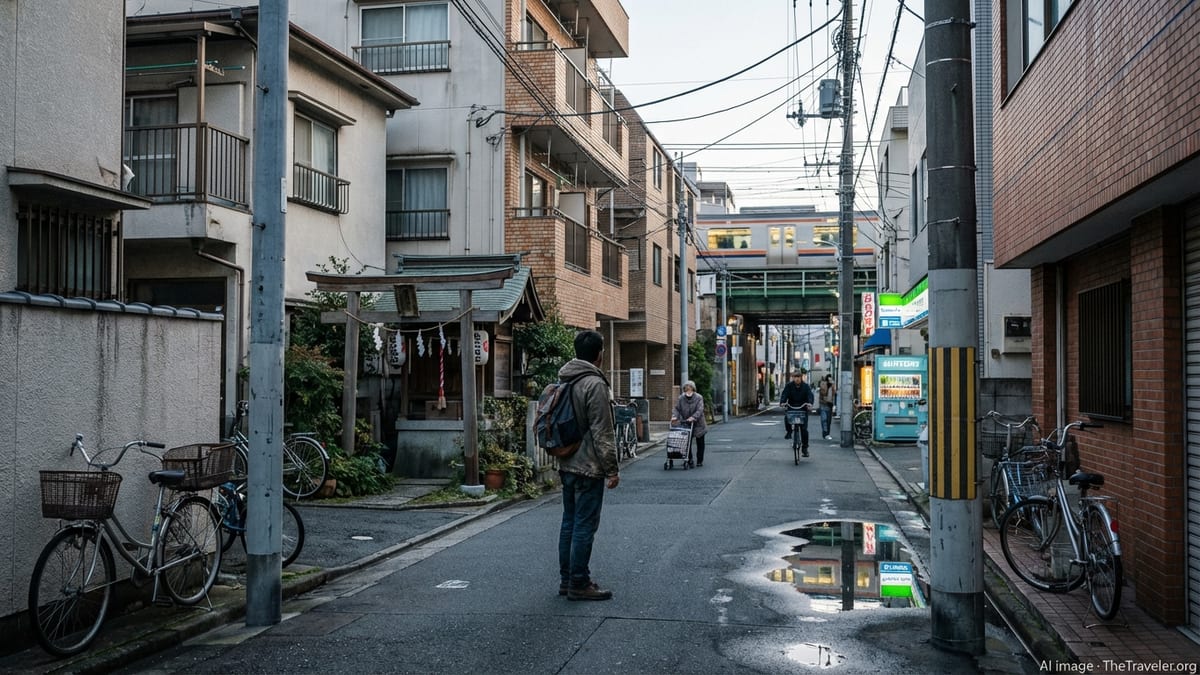
Landing in Tokyo, I arrived with the usual image of neon streets and orderly lines. What I did not expect was the sheer volume of visitors. At major stations, international travelers and domestic tourists funneled through ticket gates in dense waves. Much of the country is experiencing record tourism, and it shows in the busiest neighborhoods and on popular train lines during peak hours. Yet, a few blocks from Shibuya Crossing, quiet backstreets quickly reappeared, with bicycles resting unchained and small shrines squeezed between apartment blocks. The contrast between packed hubs and calm side streets was my first real surprise.
That same duality played out in Kyoto. The city’s most photographed temples and bamboo groves were busy from early morning, and locals spoke openly about how their neighborhoods feel more crowded than just a few years ago. At the same time, I could step onto a side lane and find a neighborhood shrine or lesser-known temple almost empty. Authorities around the country are experimenting with reservations, visitor caps and one-way walking routes at some famous attractions to manage this surge in interest. As a traveler, accepting that you will share the icons with many others, then deliberately seeking quieter alternatives nearby, turned out to be the key to enjoying modern Japan.
Outside the big-name sights, Japan still offers the sense of spaciousness many visitors dream about. In smaller cities, local shopping arcades were lively but not overwhelmed, and evening walks along residential streets were often defined by silence broken only by the distant chime of station announcements. The surprise was not that Japan is busy. It was that genuine calm is still easy to find, as long as you accept that you must sometimes look one or two streets beyond the postcard view.
Getting Around: Bullet Trains, Price Shocks and Subtle Frictions
Japan’s rail network is famously efficient, and that reputation is still deserved. The Shinkansen remains one of the most reliable ways to cross large distances, and local trains and subways are extensive. What has changed, and surprised me, are the economics and small frictions that have crept in. The nationwide rail pass that used to be a near-automatic purchase for many foreign visitors is now significantly more expensive than it was just a few years ago. On my route from Tokyo through Nagano, Kanazawa, Kyoto and Hiroshima, it was no longer obvious that one pass would save money over individual tickets and regional passes. Planning transportation now requires more deliberate math than in the past.
Another surprise was how digital the system has become. Contactless IC cards and their mobile equivalents have grown into the default for city transport. Smartphone-based Suica and similar services are now widely accepted even in areas that used to be cash-heavy. I could tap through gates, buy snacks and pay for drinks from vending machines with my phone in most places. Yet, occasional gaps remained. Some smaller private lines still used older ticket machines, and a few rural buses accepted only coins. Japan’s image as hyper-modern is broadly true, but the reality is more patchwork: sleek digital tools layered over older infrastructure that still works, though sometimes at its own pace.
There were also new rules I had not anticipated. On some bullet train routes, oversize luggage now needs to be reserved in specific seats. This policy was introduced to cope with the growing number of visitors traveling with large suitcases. For travelers used to throwing bags into overhead racks, this can be a surprise, and it nudges you toward lighter packing or luggage forwarding services between hotels. The overall effect is still one of remarkable ease compared with many countries, but the days of boarding any train with any bag and a one-size-fits-all pass are clearly evolving.
Money, Prices and the Myth of “Ultra-Cheap” Japan
Before my trip, friends often described Japan as suddenly “incredibly cheap” for foreign visitors, thanks to a weaker yen. On the ground, the picture felt more complicated. Some things did feel like good value: local trains for short distances, inexpensive lunches at neighborhood diners, and high-quality convenience store meals that cost less than many fast-food options in North America or Europe. At the same time, hotel rates in Tokyo and Kyoto have climbed, and mid-range restaurant dinners for two in popular districts often added up more quickly than expected, especially once drinks were included.
What surprised me most was how wide the price spectrum has become. It is possible to assemble a very affordable day built around bakery breakfasts, convenience store lunches and simple noodle dinners, all for a modest sum. It is equally easy to wander into a stylish izakaya or a well-regarded sushi counter and spend far more than planned. Tourist taxes in some cities and higher room rates at busy times have also subtly raised the baseline cost of a trip. The country is still good value compared with many Western capitals, but the idea that Japan is universally cheap no longer matches reality, particularly in prime locations and during holidays.
Access to money, on the other hand, has become much simpler. Not long ago, travelers commonly warned each other that many Japanese ATMs did not accept foreign cards. Now, most convenience store machines handled my international debit card with little fuss, and card or mobile payments were accepted at many shops and restaurants. There were still moments when only cash would do, such as smaller family-run eateries or rural locations, but these felt like the exception rather than the rule. The real surprise was how natural it felt to move between cashless city life and cash-friendly countryside within the same week.
Konbini Culture, Local Food and Everyday Eating Surprises
It is no secret that Japan is a world-class food destination, but what truly changed my expectations was how central everyday places became to my experience. Convenience stores are a good example. I knew, in theory, that they were better stocked than typical Western counterparts. In practice, they became a sort of anchor for daily life. On long travel days, I picked up neatly packaged onigiri, salads and hot snacks for the train. Late at night, when restaurants were full or closed, I grabbed bentos and seasonal sweets from bright aisles that hummed quietly with soft music. These were not consolation prizes. The quality and variety were genuinely impressive.
Beyond the konbini, the rise of local and regional food experiences was striking. Instead of only chasing famous, reservation-only sushi bars or ramen shops, many visitors are now seeking cooking classes, market tours and small-group food walks that highlight local specialties. I joined a neighborhood tour in Osaka that focused on down-to-earth eateries: standing bars serving skewers, family-run okonomiyaki spots and dessert stalls hidden under railway tracks. The experience felt less like a list of “must-try” dishes and more like an introduction to how people actually eat after work or on weekends.
What also surprised me was how quickly a simple supermarket visit became a cultural experience. Regional snacks, seasonal produce and ready-to-eat counters in suburban stores offered a quiet, uncurated window into daily life. There were no English-language signs explaining the significance of each item, just locals filling baskets with familiar brands and seasonal treats. Joining them, even briefly, felt like a small antidote to the curated, social media friendly food scene around major stations and tourist streets.
Quiet Corners: Small Towns, Onsen Nights and Nature’s Persistence
Japan’s big cities tend to dominate travel plans, but the most surprising moments of my journey happened away from the skyscrapers. A local train ride into the mountains of central Honshu brought me to a small onsen town, where the streets emptied by early evening and the loudest sound was the rush of water in the river. Traditional inns still provided yukata robes and multi-course dinners, and guests padded between indoor and outdoor baths in wooden sandals that clacked softly on stone paths. It felt far removed from the busy station concourses I had left only hours earlier.
Nature appeared everywhere once I started looking for it. Even in large cities, riverside walkways, small neighborhood parks and temple grounds offered pockets of green. In Hokkaido, I found broad skies and long, quiet roads lined with farms, more reminiscent of northern Europe than central Tokyo. On Kyushu, steaming hillsides around hot spring towns reminded me that Japan is a volcanic country at heart. These landscapes reinforced something that glossy urban images often obscure: Japan’s geography is varied and sometimes wild, and it still shapes how people live and travel.
The most memorable surprise was how easy it was to access these quieter places using standard public transport. A direct train or bus ride from a major hub often led to a town that felt worlds away from international tourism. There, conversations with inn owners, shopkeepers and fellow bath-goers unfolded at a slower pace, sometimes through translation apps and gestures more than shared language. Those interactions did not appear in guidebook highlights, yet they became the experiences I thought about most on my way home.
Culture in Daily Life: Politeness, Rules and Unspoken Expectations
Visitors often talk about Japanese politeness, and that reputation held true. Train staff apologized for delays measured in single minutes, store clerks greeted and thanked customers with consistent formality, and lost items were frequently turned in and retrieved. What caught me off guard were the unspoken expectations surrounding this politeness. On crowded trains, for instance, people generally avoided talking on phones, and noise levels stayed remarkably low. Eating on many local trains was frowned upon, even if it was not strictly forbidden. Signs asked visitors not to walk while eating in some busy districts, both to keep streets clean and to prevent congestion.
In Kyoto and other heavily visited areas, local authorities have introduced clear rules about photography, behavior in residential lanes and access to certain alleys. These measures partly aim to protect residents from intrusive visitor behavior. For travelers used to more relaxed norms at home, these expectations can feel strict at first. Over time, I came to see them less as limitations and more as a guide for fitting gently into shared spaces. Observing how locals queued, moved through stations and respected personal space offered constant, subtle lessons.
Another surprise was the persistence of analog touches in a highly digitized society. Paper stamp books at temples, hand-written notices at small businesses and cash trays at store counters sat alongside contactless payments and multilingual ticket machines. These details underscored a broader truth: Japan is not simply “high-tech,” it is layered. Old and new blend in ways that can be confusing at first but ultimately add to the country’s character. For a traveler, staying attentive to these layers is part of understanding where you are.
Technology, Tourism Trends and the Future Traveler Experience
Traveling across Japan now means moving through a landscape where technology quietly shapes your day. Train reservations can often be made online before you arrive. Museum and theme park tickets are increasingly sold through timed entry systems. Some cities are experimenting with real-time crowding information to suggest alternative sights or off-peak hours. The goal is to spread visitors out and protect heavily used areas while keeping travel attractive and accessible.
At the same time, tourism patterns are shifting. More people are booking shorter but more frequent trips within Japan, and international visitors increasingly return for second or third visits rather than treating the country as a once-in-a-lifetime destination. That trend changes how the country presents itself. Instead of focusing only on the classic circuit of Tokyo, Kyoto, Osaka and Hiroshima, regional governments and rail companies are promoting lesser-known prefectures, local festivals and nature escapes. As I moved between prefectures, it was clear that this strategy is working. Stations displayed colorful posters for remote coastal towns and mountain trails, and tourism offices eagerly recommended routes that bypass the most crowded spots.
The effect on individual travelers is mixed but promising. You may encounter more digital signboards, reservation requirements and suggested itineraries than in the past, which can make spontaneity feel slightly constrained. On the other hand, the same systems can open up parts of the country that were harder to navigate without Japanese language skills or local guidance. My own journey benefited from these changes: I used online booking tools to secure seats on off-peak trains and discovered a regional pass that made a detour to a smaller city both affordable and simple.
The Takeaway
Crossing Japan from north to south revealed a country that lives up to its reputation for safety, efficiency and remarkable food, yet is also in the midst of rapid change. Rising visitor numbers, evolving transportation costs and new rules at famous sites are reshaping how people move through the country. At first, those shifts were what surprised me most: busier stations, higher rail pass prices, reservation systems at popular attractions.
Over time, however, subtler surprises took over. The easy coexistence of crowded hubs and utterly quiet side streets. The way convenience stores and supermarkets became as memorable as high-end restaurants. The persistence of handwritten signs and temple rituals inside cities full of LED screens and contactless payments. These details, more than any single landmark, defined my experience.
For future travelers, the lesson is clear. Japan is not a static postcard; it is a living place adjusting to a new era of global attention. If you accept that you will share its most iconic spots with many others, learn the basics of its evolving rules and technologies, and leave space in your itinerary for small detours, the country will still find ways to surprise you. In a world where so many destinations feel over-exposed, that ongoing capacity to astonish may be Japan’s most enduring strength.
FAQ
Q1. Is Japan still worth visiting now that it is more crowded and expensive?
Yes. While major sights and cities are busier and some costs have risen, Japan still offers excellent value in many areas and an unusually high level of safety, cleanliness and reliability. Choosing shoulder seasons, visiting lesser-known regions and mixing city stays with time in smaller towns can deliver a rich experience without overwhelming crowds.
Q2. Do I still need a nationwide rail pass to travel efficiently around Japan?
Not necessarily. The nationwide pass has become much more expensive, and for many itineraries individual tickets or regional passes are now better value. If your trip covers several distant cities in a short time, a pass can still make sense, but travelers focused on one region often save money by buying tickets as they go or using area-specific passes.
Q3. How cashless is Japan today for foreign visitors?
Japan is far more card and mobile friendly than in the past. Convenience stores, many restaurants and most train systems accept contactless or mobile payments. However, you may still encounter cash-only spots such as small family-run eateries, rural shops and certain temples, so carrying some yen remains practical, especially outside big cities.
Q4. Are convenience store meals really good enough for full meals?
For many travelers, yes. Convenience stores in Japan offer fresh rice balls, salads, sandwiches, hot snacks and bento boxes that are good quality for the price. They are especially useful on travel days, late at night or in areas with limited dining options. They will not replace a memorable restaurant dinner, but they can easily cover breakfast, lunch or a quick, satisfying snack.
Q5. How can I avoid feeling overwhelmed by crowds in places like Tokyo and Kyoto?
Plan for early starts at the busiest sights, explore side streets rather than only main thoroughfares, and balance your itinerary with time in less visited neighborhoods or nearby towns. Using real-time crowd information where available, traveling slightly off-season and booking key train rides or entries in advance also helps keep days calmer and more predictable.
Q6. Is it difficult to navigate Japan’s trains and buses if I do not speak Japanese?
Main city networks and Shinkansen lines are relatively easy, with clear signage and announcements in English and other languages. Rural routes can be less documented, but station staff, simple translation apps and printed timetables are usually enough. It helps to note station names in Japanese characters as well as roman letters before you travel.
Q7. What surprised travelers most about Japanese culture in daily life?
Many visitors are struck by the combination of formality and quiet. People queue neatly, avoid loud phone calls on public transport and show strong respect for shared spaces. At the same time, unspoken rules about where to eat, when to photograph and how to behave in residential areas can be stricter than in some countries, so observing locals closely is helpful.
Q8. Are smaller towns and onsen areas easy to visit without a tour?
Often yes. Many hot spring towns and regional cities are connected by straightforward train or bus routes from major hubs. Once there, you can usually walk between accommodations, baths and main streets. Some ryokan offer pickup from the nearest station. Booking ahead and checking last train times are the main essentials.
Q9. What is the best way to keep costs under control while traveling across Japan?
Mix accommodation types, pairing occasional splurges with business hotels, hostels or simple inns. Eat some meals at neighborhood diners, bakeries and convenience stores, and prioritize a few standout restaurant experiences rather than treating every meal as a big event. Consider regional passes and night buses for longer hops if they fit your comfort level.
Q10. How is Japan adapting to growing visitor numbers for the future?
Authorities and local communities are experimenting with reservation systems, visitor caps on certain activities, crowd monitoring tools and campaigns that encourage travelers to explore lesser-known areas. The trend is toward more managed, sustainable tourism that protects residents’ quality of life while still welcoming visitors, so you can expect more digital tools and clear rules at popular sites over time.