


More news on this day
India, now the world’s most populous country and one of its fastest-growing major economies, is navigating a period of rapid change that is reshaping its politics, infrastructure, tourism and global influence.
Get the latest news straight to your inbox!
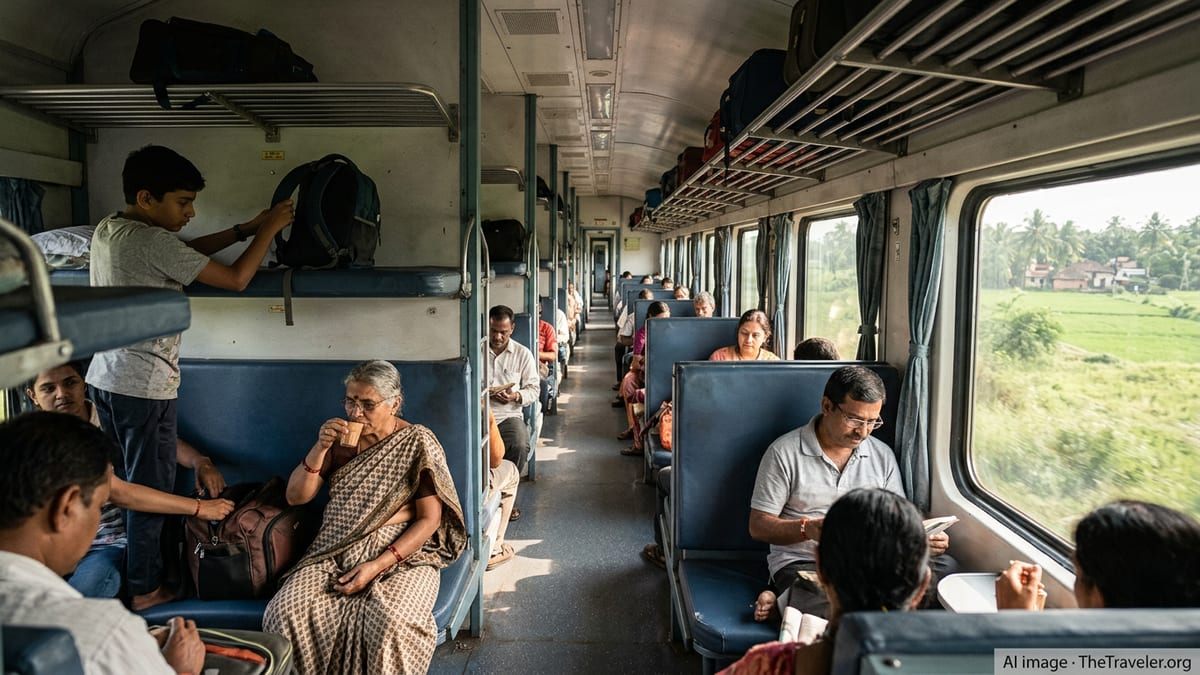
Geography, Population and Urban Transformation
Stretching from the Himalayas to the Indian Ocean, India covers a vast and diverse landmass that includes high mountain ranges, arid deserts, fertile river plains and more than 7,500 kilometers of coastline. The country shares land borders with Pakistan, China, Nepal, Bhutan, Bangladesh and Myanmar, reinforcing its role as a strategic hub in South Asia and the wider Indo-Pacific region.
Recent demographic estimates indicate that India has surpassed 1.4 billion people, giving it the largest population of any country. Publicly available data show a relatively young population profile, with a median age in the late twenties, positioning India for a potential demographic dividend if jobs, education and infrastructure can keep pace with demand.
Urbanization is accelerating, with major metropolitan areas such as Delhi, Mumbai, Bengaluru, Chennai and Hyderabad expanding rapidly. Reports highlight rising investment in metro rail networks, airports and digital connectivity as authorities seek to reduce congestion, expand housing and support new business districts, even as smaller cities and rural regions continue to host a large share of the population.
The contrast between India’s megacities and its vast rural hinterland remains a defining characteristic. While technology parks and financial centers symbolize the modern economy, agriculture and informal work continue to provide livelihoods for millions, creating a complex landscape for planners and investors.
Political System and Recent National Elections
India is a federal parliamentary democracy and republic, with power shared between the union government in New Delhi and 28 states plus several union territories. The president serves as head of state, while executive power lies with the prime minister and the council of ministers drawn from parliament.
General elections to the lower house of parliament, the Lok Sabha, take place every five years and are among the largest democratic exercises in the world. The most recent national vote took place in multiple phases from April to June 2024, involving hundreds of millions of eligible voters casting ballots across the country.
According to published coverage of the 2024 results, the ruling Bharatiya Janata Party-led alliance retained power but with a reduced majority, leading to a coalition arrangement at the federal level. The outcome confirmed a third term for Prime Minister Narendra Modi while also signaling stronger representation for several regional and opposition parties in the new 18th Lok Sabha.
Analysts note that India’s political debate is increasingly shaped by questions of economic opportunity, social welfare, identity and regional priorities. The federal structure, along with a powerful Election Commission and active judiciary, continues to influence how national priorities are negotiated between New Delhi and the states.
Economic Performance and Development Outlook
Publicly available assessments from international financial institutions describe India as one of the world’s fastest-growing large economies. The country ranks as the fifth-largest economy by overall size, with growth in recent years generally outpacing many advanced and emerging peers despite global headwinds.
Recent outlooks from multilateral organizations project real GDP growth in the mid-single to high-single digits for the next few years, supported by resilient domestic demand, expanding services exports and infrastructure spending. Information technology, digital services, pharmaceuticals, automotive manufacturing and renewable energy have emerged as key drivers alongside traditional sectors such as textiles and agriculture.
At the same time, reports emphasize persistent challenges. Income inequality, uneven regional development, high youth unemployment in some areas and pressures on urban infrastructure complicate the growth story. Efforts to expand manufacturing, increase female labor-force participation and upgrade logistics networks are seen as central to achieving the government’s long-term goal of becoming a developed economy by 2047.
Macroeconomic indicators point to relatively contained inflation compared with some other emerging markets and a manageable current account deficit, though India remains sensitive to global commodity prices and external financial conditions. Policy discussions increasingly focus on climate-resilient growth, green energy transitions and digital public infrastructure as tools to support inclusive development.
Tourism, Culture and Soft Power
India’s tourism profile reflects its immense cultural, religious and natural diversity. The country is home to dozens of UNESCO World Heritage sites, from the Mughal-era Taj Mahal and Rajasthan’s hill forts to ancient Buddhist caves, temple complexes and historic urban centers. Himalayan trekking routes, tropical beaches in Goa and the Andaman and Nicobar Islands, and wildlife reserves add to a broad portfolio of attractions.
Ministry of Tourism data indicate that foreign tourist arrivals have been rebounding after the sharp disruption caused by the pandemic years. Domestic tourism has also expanded strongly, with millions of residents traveling for pilgrimage, leisure and business, underpinning demand for hotels, homestays, transport and food services across the country.
Policy documents released in 2025 and 2026 highlight tourism and hospitality as priority sectors for job creation and regional development. New initiatives aim to improve airport capacity, streamline e-visa systems, promote lesser-known heritage circuits and strengthen safety and sustainability standards for destinations ranging from coastal zones to ecologically sensitive Himalayan regions.
India’s global cultural influence extends far beyond visitor numbers. Bollywood cinema, regional film industries, classical and contemporary music, yoga, traditional wellness practices and a large diaspora have contributed to the country’s soft power. Culinary traditions from North Indian curries to South Indian dosas and coastal seafood are now widely recognized worldwide, often serving as an introduction to the country for prospective travelers.
Opportunities and Risks for Travelers and Investors
For international travelers, India offers a combination of rapidly improving infrastructure and enduring logistical challenges. Many major airports, including those in Delhi, Mumbai and Bengaluru, have been upgraded in recent years, and new expressways, metro lines and digital payment systems have simplified movement within cities and between regions.
However, visitors still encounter uneven road conditions, congestion and varying service standards, particularly outside major urban centers. Travel advisories routinely encourage attention to seasonal factors such as monsoon rains and heat waves, as well as local health and safety guidance. Sustainable tourism practices are gaining prominence as authorities and industry groups respond to concerns about overtourism, pollution and pressure on heritage sites.
For global businesses and investors, India’s large market, expanding middle class and digital public infrastructure offer considerable appeal. Reports from multilateral banks and research institutes point to opportunities in renewable energy, urban infrastructure, logistics, consumer goods, tourism, financial technology and healthcare, even as regulatory complexity and land acquisition remain areas of concern.
With its scale, demographic profile and sustained economic growth, India is set to remain central to discussions about supply-chain diversification, climate action and the future of global tourism. How effectively the country manages urbanization, environmental pressures and social inclusion will shape both the visitor experience and the broader investment climate in the decade ahead.